Mary Shelley’s Frankenstein — Issue 54

Mary Shel­ley’s Franken­stein (SNES)
Bits Stu­dios, 1994

A Crea­ture this piti­ful should have shuf­fled off the mor­tal coil

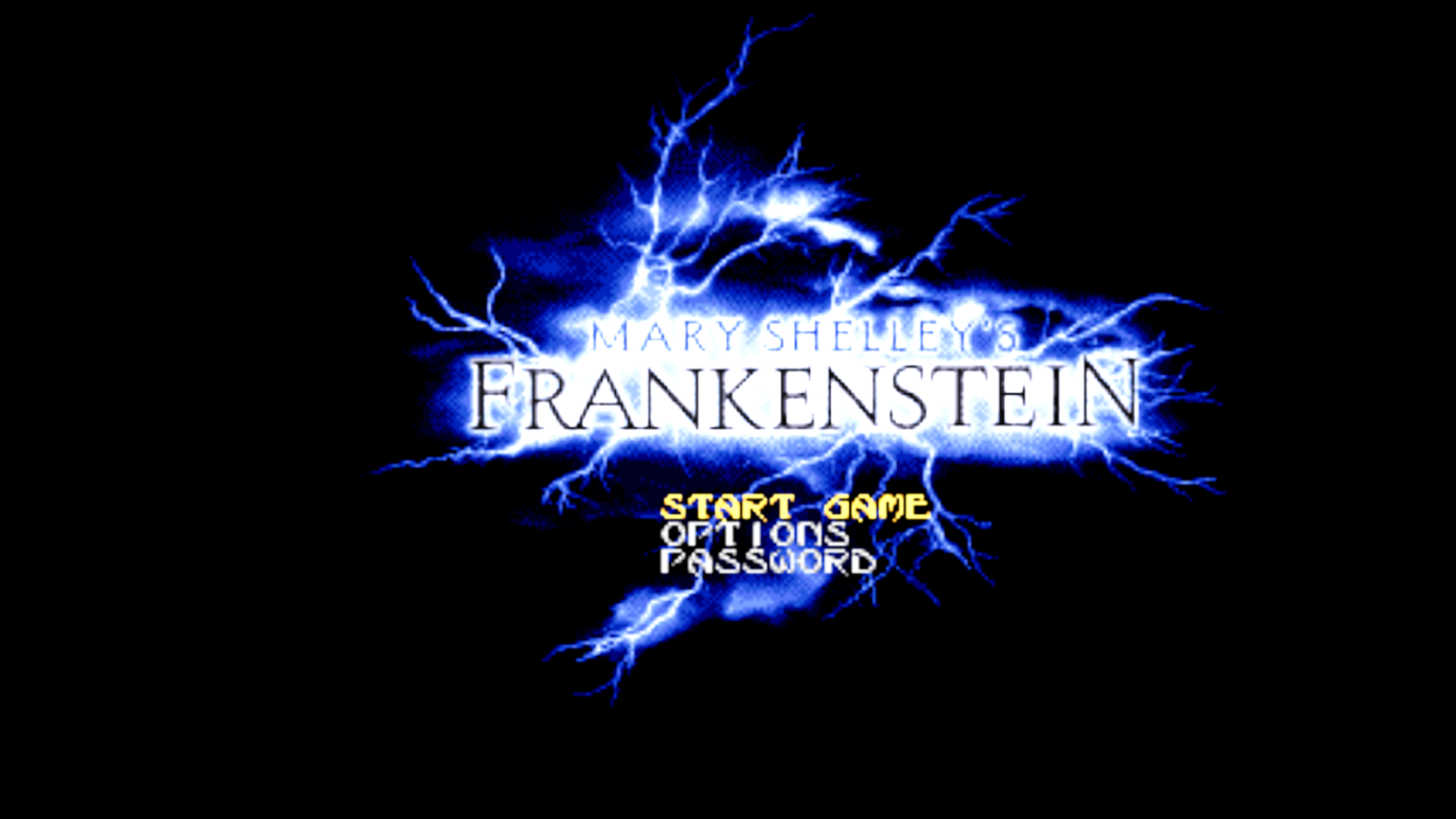
Mary Shel­ley, in her gild­ed cof­fin of prose and man and mad­ness, must have rolled over in her grave when this abom­i­na­tion based on her great­est work was released. As if the ’90s did­n’t have enough ter­ri­ble movie-to-game ties, along sham­bles the vit­ri­olic cash grab that is Mary Shel­ley’s Frankenstein.

The plot is tied direct­ly to the 1994 movie direct­ed by the inim­itable Ken­neth Branaugh and star­ring the leg­endary Robert De Niro. Vic­tor Franken­stein, a med­ical stu­dent, brings his cre­ation to life through sci­ence. The Crea­ture, which is sound­ly reject­ed as an abom­i­na­tion by soci­ety, wan­ders the Earth attempt­ing to find Vic­tor and exact revenge. 
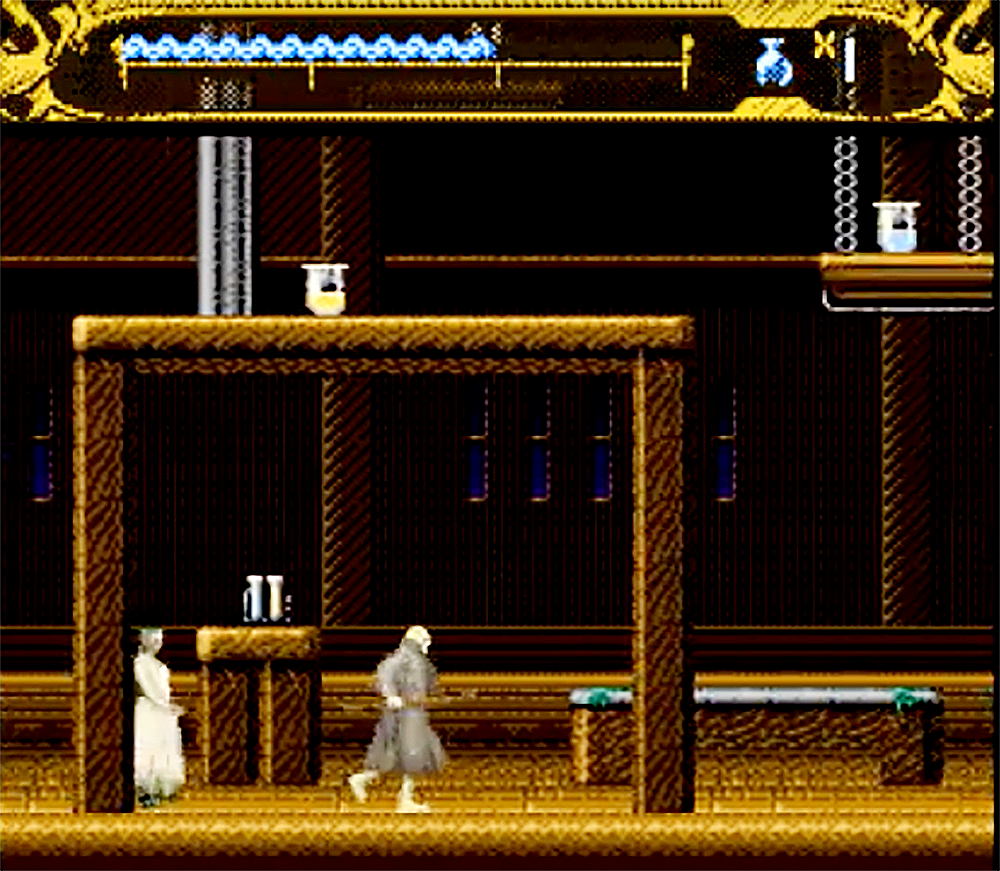
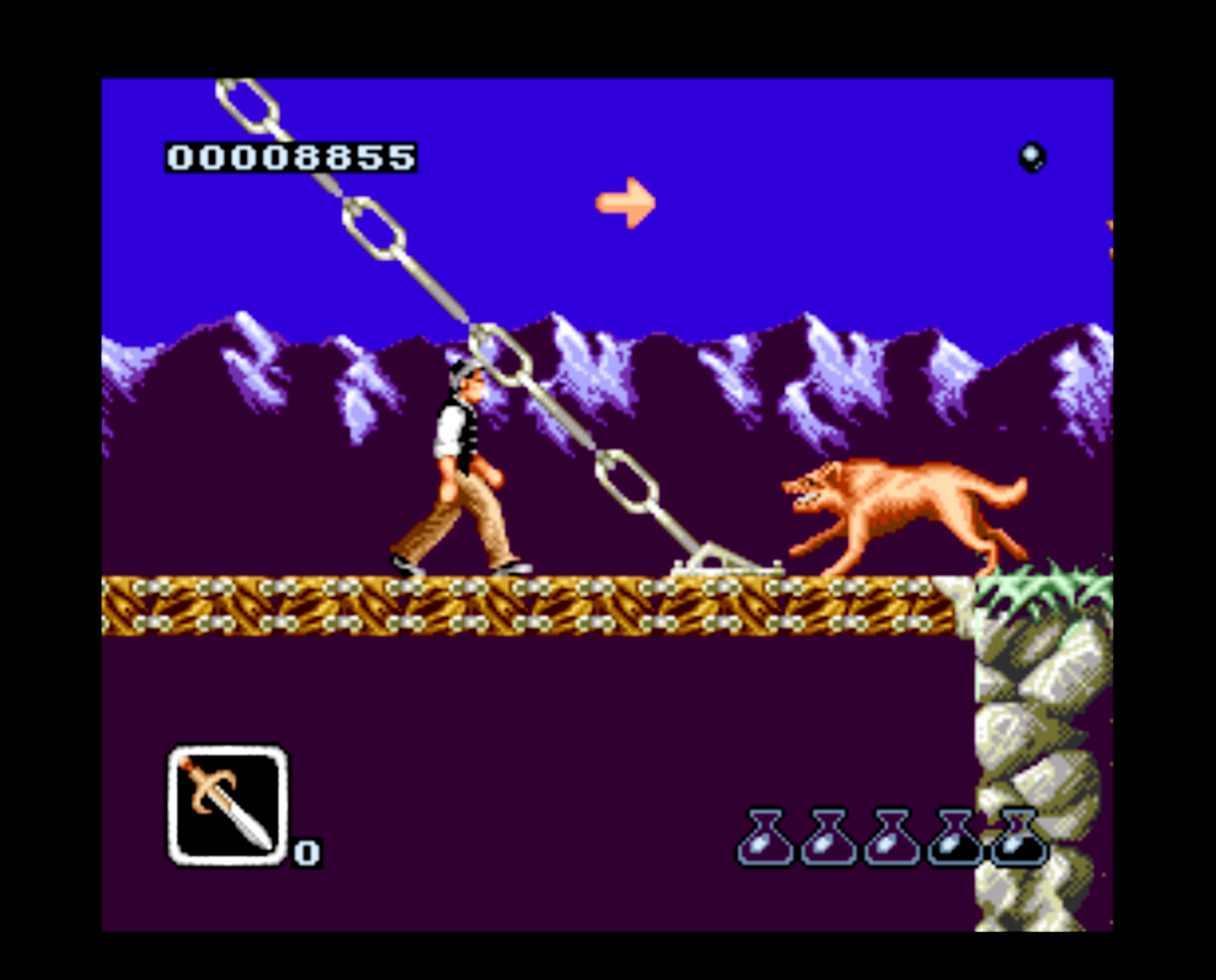
The orig­i­nal sto­ry is com­pelling. The video game ver­sion is not. As some­one who read Franken­stein, Or the Mod­ern Prometheus pre­vi­ous­ly, I have expo­sure to the sto­ry and the char­ac­ters. The game does noth­ing to tie the movie or the sto­ry to the game. You start the game as a being with no expla­na­tion of who you are or what you’re sup­posed to be doing. The strug­gle is imme­di­ate­ly and painful­ly obvi­ous once you’re dropped on the scene of a tired brown vil­lage. As I lat­er learned, I start as the Crea­ture, and I’m sup­posed to be flee­ing the vil­lage. The vil­lagers assume the Crea­ture is a demon and are try­ing to kill him while he’s on the way to find and kill Vic­tor. That’s the gist of the sto­ry, but I had to piece that togeth­er while watch­ing oth­er playthroughs. That was atro­cious in 1994 and is still atro­cious today.


Equal­ly ter­ri­ble are the game­play and graph­ics, which go hand in hand. There is noth­ing redeem­ing about play­ing as the Crea­ture. He ani­mates ter­ri­bly and plays just as ter­ri­bly. He moves slow­ly through every motion and looks hor­ri­ble while doing so. His shuf­fling gait stark­ly con­trasts with his spry yet stale jump­ing, and his abil­i­ties to swing a weapon are sub­par at best. Of spe­cial note, the plat­form­ing ele­ments are absolute­ly garbage. Egre­gious­ly, there is no map to indi­cate pre­vi­ous­ly vis­it­ed areas or loca­tions of inter­est. That’s nec­es­sary if you’re ask­ing me to back­track and solve hid­den item puz­zles in a large play­field. In an age where Super Metroid had been recent­ly released, there is no excuse for this type of ludi­crous over­sight. Sure, this is a quick movie tie-in, but the least you can do as a devel­op­er is take notes from a mas­ter of the craft and at least halfway attempt to steal basic con­cepts such as a map. 

And about the only redeem­ing fac­tor is the music. The tracks are repet­i­tive but they’re 1990s house music and goth­ic mean­der­ings so it’s tol­er­a­ble. But that can’t save the oth­er­wise mediocre prod­uct that groaned out of Mary Shel­ley’s mas­ter­piece novel.
The obvi­ous draw of Mary Shel­ley’s Franken­stein is, in fact, the Crea­ture but you would­n’t know it from the way this plays over­all. There is noth­ing here, except for the sound­track, that is worth both­er­ing with and even then, that’s ques­tion­able. Much like De Niro’s choice to play the Crea­ture, the biggest ques­tion of this whole trav­es­ty is why?

House of the Dead — Issue 54

House of the Dead
Sega, 1998

Retro House of the Dead sets up shop for franchise

Ah, the progress that has been made. The on rails shoot­ers genre has made strides in the last 27 years. Mod­ern con­trols — includ­ing light guns avail­able for the home mar­ket — have made play­ing a lot more enjoy­able. And that has made the House of the Dead series — and espe­cial­ly the orig­i­nal game — a tad bit more tolerable.

House of the Dead starts off as most zom­bie hor­ror games of the day did: A mega­lo­ma­ni­a­cal weirdo is mess­ing with bioter­ror­ism unnec­es­sar­i­ly and has cre­at­ed a mess. And by mess, I mean mutat­ed, trans­formed humans with a taste for flesh. That’s lit­er­al­ly the plot of the game. There’s some­thing about a fiancée that needs sav­ing and stop­ping this blight from spread­ing to the rest of human­i­ty, but that’s the basics. It’s ser­vice­able and real­ly does­n’t do much to affect the game­play. You’re killing zom­bies, boss zom­bies and most like­ly the end boss guy who cre­at­ed the prob­lem. Clean it up and go on in future sequels to take on an even larg­er threat in the bad guy’s boss because, of course, he has a boss.


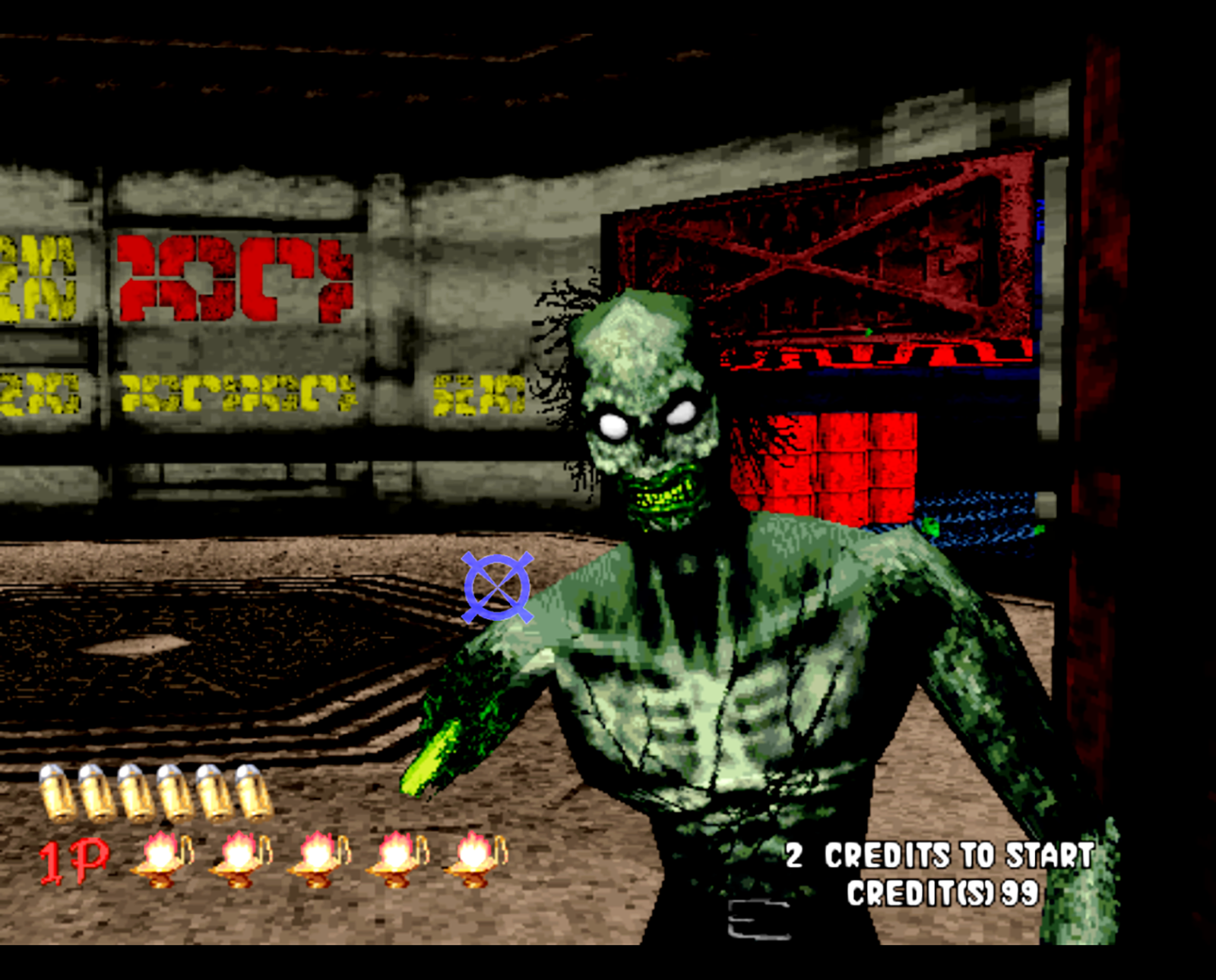
Clean­ing up the prob­lem is the fun part here. The con­trols are your stan­dard light gun shoot­er but they’re fine. Aim­ing and shoot­ing was­n’t bad, though lin­ing up my shot some­times was not exact­ly sharp. There were a few times fight­ing some of the aer­i­al boss­es that the cur­sor just was­n’t keep­ing up so I took cheap hits. As an arcade old head, I know that’s the name of the game here: It’s designed to be a quar­ter-munch­er. But by the time I get home, there should be a bet­ter under­stand­ing that this isn’t going to fly. Thank­ful­ly, cheat codes exist so it’s not a prob­lem. But for arcade con­di­tions sake, this real­ly isn’t cool.

Because this is a 1998 prod­uct we’re talk­ing about, I’m also not expect­ing the graph­ics to look like much. And they don’t, beyond these zom­bies look­ing OK. Keep in mind that these graph­ics did­n’t real­ly improve until well beyond the sec­ond game/Typing of the Dead, so you’re going to be see­ing them for a long time. The music fares about the same, too. They are decent enough for the late ’90s, and they work well in the con­fines of House of the Dead.

House of the Dead has made many improve­ments in the near­ly 30 years since the orig­i­nal game. It did­n’t set the barn on fire then but it’s a nice rail shoot­er if you’re into zom­bie hor­ror and like what the series has to offer. Per­son­al­ly, I’m more apt to play Typ­ing of the Dead before House of the Dead, but that’s because I pre­fer to be a key­board sharp­shoot­er these days. House of the Dead­’s ret­i­cle is set in the mid­dle with the abil­i­ty to go higher.

Bram Stoker’s Dracula — Issue 54

Bram Stok­er’s Dracula
Psyg­no­sis, 1993

Bram Stoker’s Drac­u­la shows fangs with lazy underbite

What do Drac­u­la, Sony and gam­ing con­soles have in com­mon? In 1993, Sony was one of the few multi­na­tion­al com­pa­nies that had own­er­ship of well-known Hol­ly­wood stu­dios. Sony owned Tri-Star Pic­tures, which released the 1992 film Bram Stok­er’s Drac­u­la, based on the leg­endary hor­ror sto­ry. Sony, known as Sony Image­soft at the time, had a strict hold on their movie busi­ness, which allowed them to devel­op games based off their releas­es on the box office front. Bram Stok­er’s Drac­u­la is one of those exam­ples that snuck onto the SNES.

Based on the movie, you play as Jonathan Hark­er who must res­cue his fiancé Mina Mur­ray from Drac­u­la’s clutch­es. Good old Drac­u­la believes that Mina is a mod­ern rein­car­na­tion of his pre­vi­ous love Elis­a­be­ta who was dri­ven to sui­cide by Drac­u­la’s ene­mies while he fought against the Ottoman empire in 1462. Deter­mined to have Mina by any means nec­es­sary, Drac­u­la begins his bat­tle against Hark­er with VERY high stakes involved. The graph­ics of the game are stan­dard 16-bit, but Sony gets cred­it for pair­ing details for each lev­el with rec­og­niz­able scenes from the film. Although the graph­ics made the game pre­sen­ta­tion campy, I thought the graph­ics stayed on task and did a ser­vice­able job. 

Con­trols to get Hark­er around are the usu­al fare for side scrollers on the SNES. An ambi­tious but under­ex­plained mechan­ic is Hark­er’s abil­i­ty to use var­i­ous weapons that he can pick up along the way from Dr. Van Hels­ing, who shows up to help. The con­trols, while stan­dard, aren’t the best; they need some work. Pre­ci­sion jump­ing and slash­ing is hit or miss when I least need it to be. 

The game music is OK, but the prob­lem is it’s repet­i­tive. If Sony owns the stu­dio that released the movie and its music was per­fect, why not use that same sound team to work its mag­ic for the game? This is not an imme­di­ate rea­son to avoid play­ing it, but Sony Image­soft could have done more for the game, espe­cial­ly if it is based off a box office hit. My griev­ances for this game are small but even the small details in its devel­op­ment can deter­mine its suc­cess or fail­ure. Sony did not give prop­er sup­port in cru­cial areas of the game’s development. 

Bram Stok­er’s Drac­u­la, despite lack of atten­tion to detail in some areas, is a good game that pays trib­ute to the orig­i­nal work. The con­trols could use some work, and the sound­track could be bet­ter, but the game works as a decent tie-in to the movie adap­ta­tion. It’s some­thing you may be able to sink your teeth into.

Castlevania: Symphony of the Night — Issue 54

Castl­e­va­nia: Sym­pho­ny of the Night
Kon­a­mi, 1997

Sym­pho­ny of the Night plays a sweet song of woe

I ful­ly admit that I’m a lit­tle late for the Hal­loween par­ty that is Castl­e­va­nia: Sym­pho­ny of the Night. I real­ly stopped pay­ing atten­tion to the series after Super Castl­e­va­nia IV, most­ly because it’s a hard series and I have a lot of love for that game and the orig­i­nal. I did­n’t need any­more Castl­e­va­nia. But after coax­ing from friends, mak­ing the Metroid­Va­nia con­nec­tions and know­ing its leg­endary sta­tus, here we are, and it’s tak­en a bite out of me.

Sym­pho­ny of the Night, in all its goth­ic hor­ror, appeals to me on sev­er­al lev­els. The sto­ry is famil­iar in that Alu­card — son of Drac­u­la and a sup­port­ing char­ac­ter in the third game — is attempt­ing to stop his father once again. That famil­iar­i­ty is enough to get me going because it’s all I need to know about what’s going on. Sure, I’m kind of used to a Bel­mont lead­ing the way, but Sym­pho­ny of the Night does­n’t need to rely on that kind of tradition. 

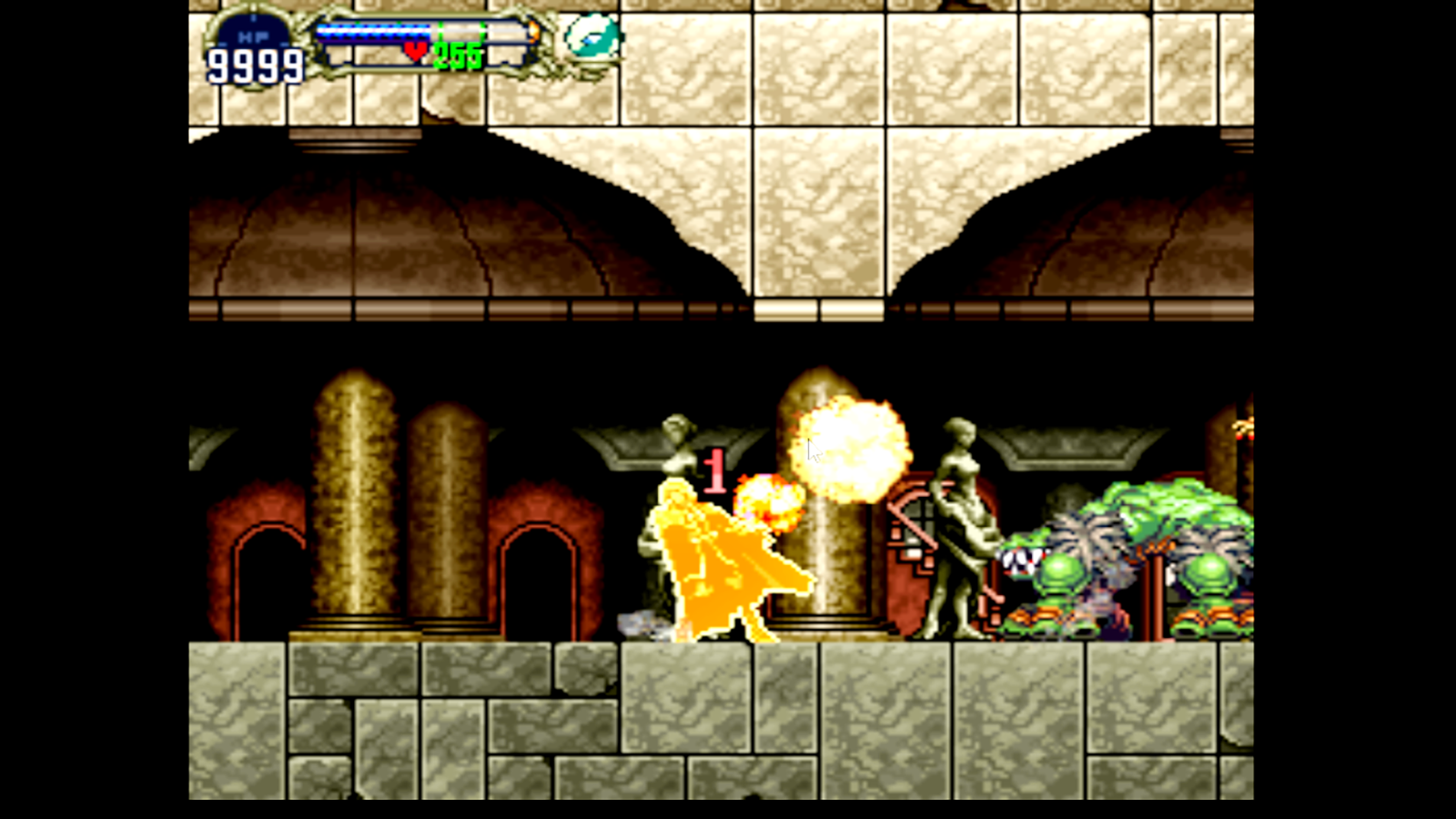
The tra­di­tion that it does lean on is game­play. The com­bat and move­ment are excel­lent, and it feels sec­ond nature to move around. Keep­ing it sim­ple but adding the RPG ele­ments was a fan­tas­tic design choice. Most of the new weapons are cool, and fight­ing ene­mies is a beau­ti­ful­ly built song and dance. Best of all, there is an in-game map includ­ed. For a sprawl­ing game requir­ing mas­sive plat­form­ing, a map is required, and Sym­pho­ny hits the mark by auto­mat­i­cal­ly includ­ing this. 


Graph­i­cal­ly, the game is gor­geous. Kon­a­mi did some­thing beau­ti­ful here and Castl­e­va­nia looks bet­ter than ever. The goth­ic details are some­thing to behold and are eye-catch­ing as well as pleas­ing to some­one with a goth sen­si­bil­i­ty and yearn­ing for video games. The sound­track is just as beau­ti­ful, neces­si­tat­ing find­ing the sound­track to add to the col­lec­tion. There are famil­iar riffs (Vam­pire Killer makes a cameo) and new chords to strike that are mas­ter­pieces, which is expect­ed of the leg­endary Kon­a­mi sound.

Alas, while try­ing to think of any­thing wrong with it, I’ve con­clud­ed that Sym­pho­ny of the Night is a well-exe­cut­ed mas­ter­piece. It hits all the marks and pulls no punch­es in ele­gance, crafts­man­ship. It’s telling that most Castl­e­va­nia games lat­er in the series use Sym­pho­ny as the tem­plate on which they build. Sym­pho­ny is a build­ing crescen­do of great­ness, cul­mi­nat­ing in sol­id sto­ry­telling, game­play and world-building.

Frankenstein: The Monster Returns — Issue 54

Franken­stein: The Mon­ster Returns
Tose, 1990

The Crea­ture bound to bet­ter fate with NES tome

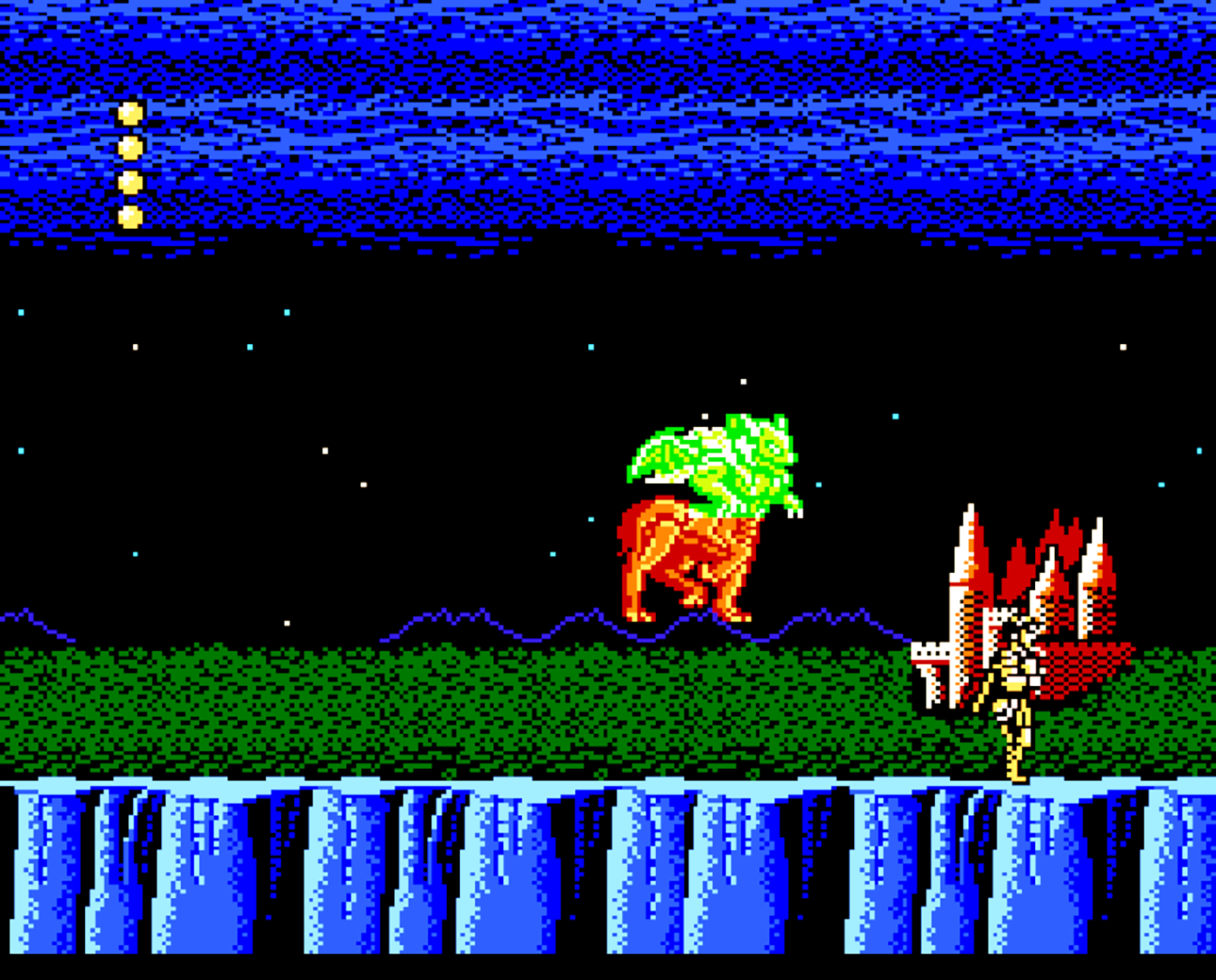
Ah, Franken­stein. This leg­endary hor­ror mon­ster has come a long way from the time his sto­ry was writ­ten by Mary Shel­ley. One of the most pop­u­lar hor­ror mon­sters of all time, Franken­stein moved from mod­ern writ­ten adap­ta­tions to var­i­ous movies, a car­toon ver­sion for a break­fast cere­al and final­ly in video games such as Castl­e­va­nia. Dur­ing his video game tenure, Franken­stein has been the sub­ject of a Bandai game in which he is the main vil­lain, mak­ing a dig­i­tal name for him­self. Franken­stein: The Mon­ster Returns for the NES was his big break.


In Franken­stein: The Mon­ster Returns, in an unknown part of Europe the leg­endary mon­ster has been res­ur­rect­ed thanks to light­ing that struck his bat­tered tomb­stone in an ancient ceme­tery. Ful­ly restored, Franky and his band of min­ions attacked a near­by vil­lage, and he kid­naps Emi­ly, the daugh­ter of the vil­lage elder. With Emi­ly and all the land in great per­il, it is up to an unknown hero to answer the call to final­ly end Franky’s reign of ter­ror and make the land pros­per­ous again. 

The graph­ics of the game are typ­i­cal of com­mon 8‑bit action-adven­ture games. Although I’ll give Bandai cred­it for attempt­ing to match var­i­ous scenes to the orig­i­nal nov­el, cer­tain sec­tions made me think I was play­ing a jum­bled mix of Bat­man, the orig­i­nal TMNT, and Castl­e­va­nia. Con­trols are also like Castl­e­va­nia, which is wel­come famil­iar­i­ty. How­ev­er, this scheme can be prob­lem­at­ic because pre­ci­sion is not abun­dant here. You will miss plat­forms and it’s the fault of the con­trol design, not you. 

The music is appro­pri­ate­ly chill­ing and hor­ror themed. How­ev­er, some­times it tries to do too much. Unfor­tu­nate­ly, this is a weak spot because the music will try its best to out­do Castl­e­va­nia, and it’s nowhere near that lev­el of audio masterpiece. 
Franken­stein: The Mon­ster Returns is a campy B‑movie game that gave an icon­ic mon­ster a chance to shine. Franken­stein would be sec­ond place to Castl­e­va­nia since no oth­er Uni­ver­sal mon­sters got their own game and man­aged to out­shine Castl­e­va­nia and Franken­stein. Franky’s mis­ad­ven­ture, while not quite as good as Castl­e­va­nia, is still able to scare up a good time.

Garou: Mark of the Wolves — Issue 53

Garou: Mark of the Wolves
SNK Play­more, 1999

Leav­ing an indeli­ble mark

SNK is still around doing things in this mod­ern fight­ing game land­scape. Their lat­est release, Garou: City of the Wolves, is a cer­ti­fied banger and is get­ting a lot of play in the crit­ic sphere because the orig­i­nal is so beloved. And that’s one of the best things Mark of the Wolves man­aged to do: Leave a good lega­cy and stay rel­e­vant 25 years later.
Mark of the Wolves does a lot of things with the Fatal Fury name for the sake of progress. Tak­ing place 10 years after the death of crime lord Geese Howard dur­ing the King of Fight­ers Tour­na­ment as depict­ed in Real Bout Fatal Fury, Mark intro­duces a new cast with Ter­ry Bog­a­rd return­ing to the fray to lead the charge. Ter­ry takes the young Rock Howard, Geese’s scion, under his wing to fight for South Town and jus­tice in gen­er­al. But the specter of Geese haunts them. And there is a new vil­lain in the mix, Kain, to take Geese’s place and up the stakes. The plot is inter­est­ing and engag­ing. Get­ting used to a whole new cast minus Ter­ry takes a minute and learn­ing their back­ground and moti­va­tion is fun.

The char­ac­ter designs are cool, as they are in most SNK games. The sprites look great and are large and detailed. The back­grounds, while col­or­ful, aren’t near­ly as detailed, though there are a lot of ani­ma­tions going on that make them live­ly. Over­all, the look isn’t too dif­fer­ent than what you’d expect from an SNK arcade game, but the Dream­cast does give it a lit­tle boost. 

The sound­track is a lit­tle gener­ic, which is sur­pris­ing because I was expect­ing some nice tracks. I’m spoiled by the often-maligned SvC Chaos, which had a great sound­track despite the sur­round­ing mess, because it was released in the same era by SNK. How­ev­er, despite the gener­ic under­tones, the sound­track does­n’t deter the sur­round­ing over­all product.

And the sur­round­ing prod­uct, game­play-wise, is fine. New mechan­ics, like the Tac­ti­cal Offense Posi­tion and Just Defend, are wel­come new pieces in the series’ reper­toire. Just Defend, which is like Street Fight­er III’s par­ry mechan­ic, has hung around and made appear­ances in oth­er games such as Cap­com vs. SNK 2’s K‑Groove so I’d say it’s a good addi­tion 25 years lat­er. And with the new mechan­ics, the game plays well, too. If I could pick it up and play it with lit­tle expo­sure to SNK’s style of fight­ing and do well, it’s safe to say that Mark has a good feel. That feel is present in the var­ied modes, with Sur­vival as the most fun out of all offered.

Mark is a great fight­ing game and still holds up well. It has the attrac­tion of ear­ly 2000s fight­ing game finesse, and it serves as a good intro­duc­tion to the world of SNK if you’re not well-versed in the series. A well-round­ed fight­ing game with strong mechan­ics and good envi­ron­ment are the marks of a future legend.

Yakuza 6: Song of Life — Issue 53

Yakuza 6: Song of Life

Sega, 2016

Yakuza­’s swan song

Ah, Kiryu Kazu­ma. Sega’s leg­endary for­mer mob­ster turned hero is a liv­ing video game leg­end. Every time he defeats a heinous col­league from his past, he wants to go back to his hon­est life of tak­ing care of his fam­i­ly of orphans. Sad­ly, no mat­ter how much the Drag­on of Doji­ma desires peace, new ene­mies arise with grand delu­sions of pow­er to rule Japan in pub­lic and its under­world of crime. As always, Kiryu saves the day at sig­nif­i­cant risk to his phys­i­cal and men­tal health. This time, those threats hit home with even greater secrets and risks that could unleash pos­si­ble civ­il war in the crim­i­nal under­world (Again? Yes, again) in Yakuza 6: The Song of Life.

Tak­ing place after the events in Yakuza 5, Yakuza 6 has our hero doing three years in prison. Var­i­ous crime groups such as the Saio Tri­ad and the Jing­weon Mafia have tak­en advan­tage of the Tojo Clan’s vul­ner­a­bil­i­ty. When Kiryu is released, he finds out that his ward Haru­ka Sawa­mu­ra, who was a ris­ing pop idol, sud­den­ly retired and moved to Onomichi city in Hiroshi­ma where she has an infant son, Haru­to. Kiryu then dis­cov­ers that Haru­ka is in a coma at a Kamuro­cho hos­pi­tal after a hit-and-run acci­dent. With these explo­sive ele­ments plus a mys­te­ri­ous secret in Onomichi that could cause a rag­ing gang war through the coun­try, Kiryu once again sets out to stop those who bring harm to his city and his family. 

The con­trol in pre­vi­ous Yakuza games that won me over remains and is improved thanks to the rebuilt Drag­on game engine. When not in fight­ing mode, Kamuro­cho has been giv­en a refreshed, crisp view. I appre­ci­ate the detail in Kiryu’s fight­ing scenes; he can use weapons to do mas­sive dam­age and look nice while doing so. Anoth­er new fea­ture is item stor­age. While stats must be increased to be able to car­ry more items, Kiryu can now use his smart­phone to hold var­i­ous food and health items and lev­el up when­ev­er he gains expe­ri­ence points. I espe­cial­ly liked the idea that Kiryu can obtain cer­tain drinks from vend­ing machines, includ­ing beer, which will increase his fight­ing pow­er. I also love the clan bat­tles fea­ture where Kiryu can form a group to take down var­i­ous char­ac­ters in a time lim­it and win cash and expe­ri­ence for his fight­ers. And I also enjoyed the Club Sega sec­tion where I could play arcade games like Hang-On and Vir­tua Fighter.

The music is excel­lent and var­ied, mak­ing me feel that I’m watch­ing a Yakuza movie than play­ing the game. If the game’s excel­lent detail to vital areas of game­play was not enough to sell me on it, I was stoked to find that Kazuchi­ka Oku­da of New Japan Pro Wrestling and acclaimed actor/comedian Beat Takashi made appear­ance as main vil­lains in the game.

How­ev­er, as much as I love the game, there are some neg­a­tives in Yakuza 6 that did­n’t make me stop play­ing entire­ly but gave me some pause. Dur­ing the fight­ing scenes where Kiryu gets ahold of an ene­my’s weapon, he dis­patch­es them in true Yakuza fash­ion, vio­lent and, at times, gory and dis­turb­ing. It was a bit much for me and seemed kind of unnecessary.

Anoth­er thing that both­ers me is the ram­pant and obvi­ous Sony prod­uct place­ment. It takes away from the game a lit­tle bit because it’s dis­tract­ing and is also unnec­es­sary. I know I’m play­ing the game with a Sony prod­uct; I don’t need it shoved in my face con­stant­ly that this was orig­i­nal­ly a Sony exclu­sive game.

Final­ly, there is a side quest that Kiryu can’t turn down. It’s not real­ly a side quest but the game tries to present it as though it is. That’s annoy­ing. If you want me to do the quest, just mark it as manda­to­ry and move on.

Yakuza 6: The Song of Life is a mag­num opus to Kiryu Kazu­ma, but it also marks an evo­lu­tion point for the series. Although Kiryu is no longer the pri­ma­ry pro­tag­o­nist, he has been in new Yakuza games such as Like a Drag­on. For now, Kiryu and com­pa­ny can take a well-deserved break with this chap­ter in the life of the Drag­on of Dojima.

Dance Dance Revolution Extreme (JP) — Issue 53

Dance Dance Rev­o­lu­tion Extreme (JP)
Kon­a­mi, 2003

Gold­en Age of DDR

I’m not ashamed to say I have a favorite Dance Dance Rev­o­lu­tion mix. For any­one who knows me, they know it’s the Japan­ese home ver­sion of DDR Extreme. While it’s the mix I played the least in the arcades, by the time it came home and I got a copy of it, it quick­ly grabbed the top spot in my heart.

There is a gold­en age of DDR and Extreme is the pin­na­cle. Hit­ting the sweet spot as the last game of the gold­en age, JP Extreme is a sol­id home port with the nec­es­sary arcade songs and a fan­tas­tic mix of con­sole old and new songs. All the per­ti­nent Extreme songs are on the ros­ter: 1998, A, Across the Night­mare, DDR, Saku­ra, Para­noia Sur­vivor & Sur­vivor Max, The leg­end of Max and V. Unlike the Amer­i­can port of Extreme, it’s as if some­one played the arcade ver­sion and thought an accu­rate port was the right thing to do.

The home ver­sion plays exact­ly like the arcade ver­sion and, if you’re savvy enough, you can find a way to enable Mar­velous tim­ing, arcade tim­ing win­dows and the Boost and Wave mods found in the arcade ver­sion only. Gen­er­al­ly, the Japan­ese ver­sions of DDR are spot on, and this port — even with­out the addi­tions — is still faithful.

The home ver­sion fea­tures all the usu­al fea­tures that you’ve come to expect: Diet Mode, Edit Mode, Les­son Mode and Train­ing Mode. One of the best things about the mix, how­ev­er, comes in the options. If you have save data from Par­ty Col­lec­tion, you can unlock all the songs in Extreme, and if you need to, you can unlock all the songs in DDR Max and Max 2. That saves time and gets you to the meat and pota­toes of what you came here to do: play awe­some DDR songs.

And the ros­ter is awe­some. There is nary a repeat in sight that drags the mix down (ahem, we’re look­ing at you AM-3P and your var­i­ous remix­es). The qual­i­ty of songs is high, and a lot of the Kon­a­mi orig­i­nals added here are wel­come addi­tions and crossovers from Beat­ma­nia IIDX. Of note is Max.(period), which was new as of Extreme JP’s home release. Max.(period) is one of the new Boss Songs and is a great addi­tion. Boss Songs in this mix are indeed all the Boss Songs from the arcade ver­sion, which lends cred­i­bil­i­ty to the mix and its authenticity.

There isn’t much wrong with this mix. The unlock sys­tem, if you don’t have sup­port data from Par­ty Col­lec­tion, is kind of aggra­vat­ing but it’s not so ter­ri­ble that the mix isn’t worth your time. It’s time con­sum­ing but it only means play­ing more DDR.

If you’re going to play a home ver­sion and don’t have Step­ma­nia, take the time to import DDR Extreme JP. Extreme JP is the clos­est port of Extreme to the arcade short of Step­ma­nia and well worth the mon­ey to track down a copy, a PlaySta­tion 2 and swap discs.

A great ros­ter, sol­id mechan­ics and peak DDR in its gold­en age form makes it a must-buy if you’re at all into dance games and Bemani. DDR Extreme JP was a good final step in the series.


DDR Extreme JP ver­sus DDR Extreme NA

The DDR Extreme ver­sions released in Japan and Amer­i­ca are wild­ly dif­fer­ent. DDR Extreme JP is the clos­est port of the arcade ver­sion that you’re going to get unless you have Step­ma­nia and fine tune your instal­la­tion to match that arcade version. 
The Amer­i­can ver­sion, released in 2004, is not an accu­rate port. It fea­tures dif­fer­ent graph­ics that replace the well-known song wheel and Groove Radar fea­tured in DDR Max and Max 2 and a song ros­ter that did not resem­ble the arcade ver­sion with a lot of licensed songs and few Kon­a­mi orig­i­nals and Bemani crossovers that were intro­duced in the arcade ver­sion. Also, the com­bo and grad­ing sys­tems are dif­fer­ent: A com­bo break auto­mat­i­cal­ly results in a max A grade, Extra Stage requires clear­ing an 8‑footer on Heavy instead of AA grade on any song’s Heavy dif­fi­cul­ty, and Encore Extra Stage/One More Extra Stage was removed. 

To cor­rect the mis­steps of Extreme NA, Extreme 2 was released in 2005 for the PlaySta­tion 2 with a slight­ly more accu­rate song ros­ter to match the arcade ver­sion of Extreme.

Street Fighter 6 — Issue 53

Street Fight­er 6

Cap­com, 2023

Per­fect Street Fighter

We love to say that this isn’t your old man’s what­ev­er when­ev­er some­thing has changed. As cliché as this is — and make no mis­take this is cliché — Cap­com’s newest entry in the old man fight­ing game that is Street Fight­er isn’t your dad­dy’s Street Fight­er. It isn’t even your broth­er’s Street Fight­er, where he used to let you beat him up in ver­sus mode and hit you with Flash Kicks to mag­i­cal­ly come back and win. No, this is the young man and casu­al’s Street Fight­er. This is a new era of fight­ing designed to get every­one involved whether they’ve exe­cut­ed a Hado­ken or not.

Street Fight­er 6 came out with a fresh coat of paint, new mechan­ics but some­thing dif­fer­ent under the hood. It plays like Street Fight­er V, but with­out the V‑Trigger mechan­ics. Now, it’s back to the basics and Dri­ve Gauge, a new mechan­ic that can turn the tide of a bat­tle quick­ly. The Dri­ve Gauge rewards offense and cre­ativ­i­ty in com­bos while dis­cour­ag­ing defen­sive turtling. This plays into the larg­er, estab­lished Street Fight­er reper­toire of super arts and par­ries. It’s nice for a vet­er­an because it’s some­thing new and good for new­bies to the world of Street Fight­er because it’s not super com­pli­cat­ed to learn.

Some­thing else new that ben­e­fits every­one is the intro­duc­tion of three types of con­trol schemes: Clas­sic, Mod­ern and Dynam­ic. Clas­sic plays much like the old Street Fight­er of yore with a six-but­ton lay­out (Jab, Strong, Fierce, Short, For­ward, Round­house), Mod­ern has a sim­pli­fied four-but­ton lay­out (think Mar­vel vs. Cap­com 2) and Dynam­ic is an offline only slant where the CPU choos­es the most appro­pri­ate but­ton press­es for moves. It’s a strong, smart deci­sion designed to open the door for more play­ers to get involved in your long-run­ning series that seems over­whelm­ing and daunt­ing at first.
Anoth­er smart deci­sion includ­ed is the tuto­r­i­al and vari­ety of modes. SF6 does its darn­d­est to have some­thing for every­one, and it’s imme­di­ate­ly seen in the modes avail­able at the start. Fight Hub, a return­ing and revamped World Tour Mode and a robust train­ing mode make this a mas­sive buy and win for the fight­ing game con­nois­seur. Fight Hub is where you’ll prob­a­bly spend most of your time; it’s where match­mak­ing takes place as well as emu­lat­ed old­er ver­sions of Street Fight­er live. 

How­ev­er, I tend to live in World Tour Mode. As a devot­ed fan of the orig­i­nal mode (Edi­tor’s note: See Issue 52 for our cov­er­age of the pop­u­lar mode from Street Fight­er Alpha 3), as soon as it was announced I knew I was a day one pur­chase. And with more than two years of wheel­ing and deal­ing with my cre­at­ed char­ac­ter, I can enthu­si­as­ti­cal­ly say I love it. I enjoy run­ning around the fleshed-out Metro City (of Final Fight fame) with my looka­like fight­er. I love that they took the con­cept born of Alpha 3 and gave it a soul and per­son­al­i­ty after so many years, and I love that it’s easy to get into and plays as well as it does.

The beau­ty of this new chap­ter of Street Fight­er also lies in the char­ac­ter and envi­ron­ment designs. Street Fight­er has always looked nice and SF6 is no dif­fer­ent. The stage design is gor­geous, and the char­ac­ter mod­els look nice. Even the weird cre­ations that can come out of World Tour Mode have a nice look to them. We spent time at GI going through some of the char­ac­ters and just mar­veling over how far Street Fight­er has come with char­ac­ter design because it’s evi­dent in this game just in the char­ac­ter select screen. The new­bies in Marisa, Manon, Kim­ber­ly, Lily and JP are fun and cool, and the old­er stal­warts like Ryu, Ken and Dhal­sim look fan­tas­tic. The sound­track, while lack­ing in some areas, does have some toe tap­pers. Though I’m not a fan of Juri, I love her theme and Luke’s has grown on me. I’m almost cer­tain there will be more addi­tions to my lik­ing as more sea­sons are released and revi­sions are made.

While there is so much to like here, I do have some nit­picks to address. First, while I’m a fan of see­ing famil­iar faces, there are so many return­ing folks that don’t need to be here. We are in a post-Street Fight­er III: 3rd Strike land in-game sto­ry-wise, so why are we still deal­ing with M. Bison/Super Dead Dic­ta­tor™? Cap­com said he real­ly was dead after the in-game events of Street Fight­er V, so hav­ing him as DLC is unnec­es­sary. Like­wise, I don’t need to know what Aku­ma is up to. I want more of the 3rd Strike char­ac­ters back and I want the mys­tery of G, my favorite Street Fight­er char­ac­ter, solved. Also, Cap­com bet­ter not give us a mil­lion paid revi­sions, either. They bet­ter roll out updates as free upgrades and act like they’ve learned their les­son dur­ing the past 34 years of Street Fight­er II agency. I say this because I can see the writ­ing on the wall, and I don’t want to have to pay for the next upgrade of the main­line series.

I love Street Fight­er 6. I love see­ing the plot pay­off of old­er games (i.e. Li-Fen, the young girl in the intro of 3rd Strike, is here and old­er, which helps tie down when the game takes place), and I love to see the con­ti­nu­ity of Street Fight­er and oth­er Cap­com games com­ing togeth­er. I real­ly enjoy play­ing SF6, it’s teach­ing this old dog new tricks and I find myself ful­ly invest­ed in the future of the grand­dad­dy of fight­ing games more than ever.

Street Fighter Alpha Anthology & Street Fighter Alpha 3 MAX — Issue 52

Street Fight­er Alpha 3 Max (PlaySta­tion Portable)

Let’s get this out the way quick­ly: Alpha 3 Max is the best portable ver­sion of Alpha 3 avail­able. It’s even one of the best ports of Alpha 3 among the numer­ous ports of the game. It has every­thing that its big broth­er con­soles have and then some, with the mas­sive final updat­ed ros­ter that each suc­ces­sive entry has intro­duced, and improve­ments made to the dif­fer­ent estab­lished modes. 


The graph­ics are nice and large, and the music is still as top notch as ever. But there is a catch because there always is: This is only avail­able for the PlaySta­tion Portable. So, if you can track down that defunct sys­tem, get this to have it on the go and have a blast as only one can with Alpha 3 in its final form glo­ry. It’s worth a look just for the com­plete ros­ter alone.

Score: 4 out of 5

——————————————————————————————————————–


Street Fight­er Alpha Anthol­o­gy (PlaySta­tion 2)

This col­lec­tion of Street Fight­er Alpha games is sub­lime, espe­cial­ly if you have a PlaySta­tion 2 lay­ing around. It fea­tures all the Alpha games, remix­es and arranged ver­sions, the Alpha 2 Gold revi­sion and a nice port of Super Gem Fight­er Mini-Mix. The best part of the col­lec­tion is that it plays nice­ly in every game. It plays like a dream and han­dles well with a good PS2 con­troller or joystick. 


Even bet­ter is the includ­ed Hyper Street Fight­er Alpha, which allows pit­ting dif­fer­ent Alpha char­ac­ters against each oth­er using that spe­cif­ic game’s mechan­ics and rule­sets. Think Alpha 2’s Rose ver­sus Alpha 3 V‑ISM Rose. That’s the hid­den draw of the game, one that’s not adver­tised and that you won’t dis­cov­er with­out time invest­ed. How­ev­er, with smooth play and con­ve­nience much like 30th Anniver­sary col­lec­tion, this is a must buy for the PS2 collection.

Score: 4.5 out of 5