Mary Shelley’s Frankenstein — Issue 54

Mary Shel­ley’s Franken­stein (SNES)
Bits Stu­dios, 1994

A Crea­ture this piti­ful should have shuf­fled off the mor­tal coil

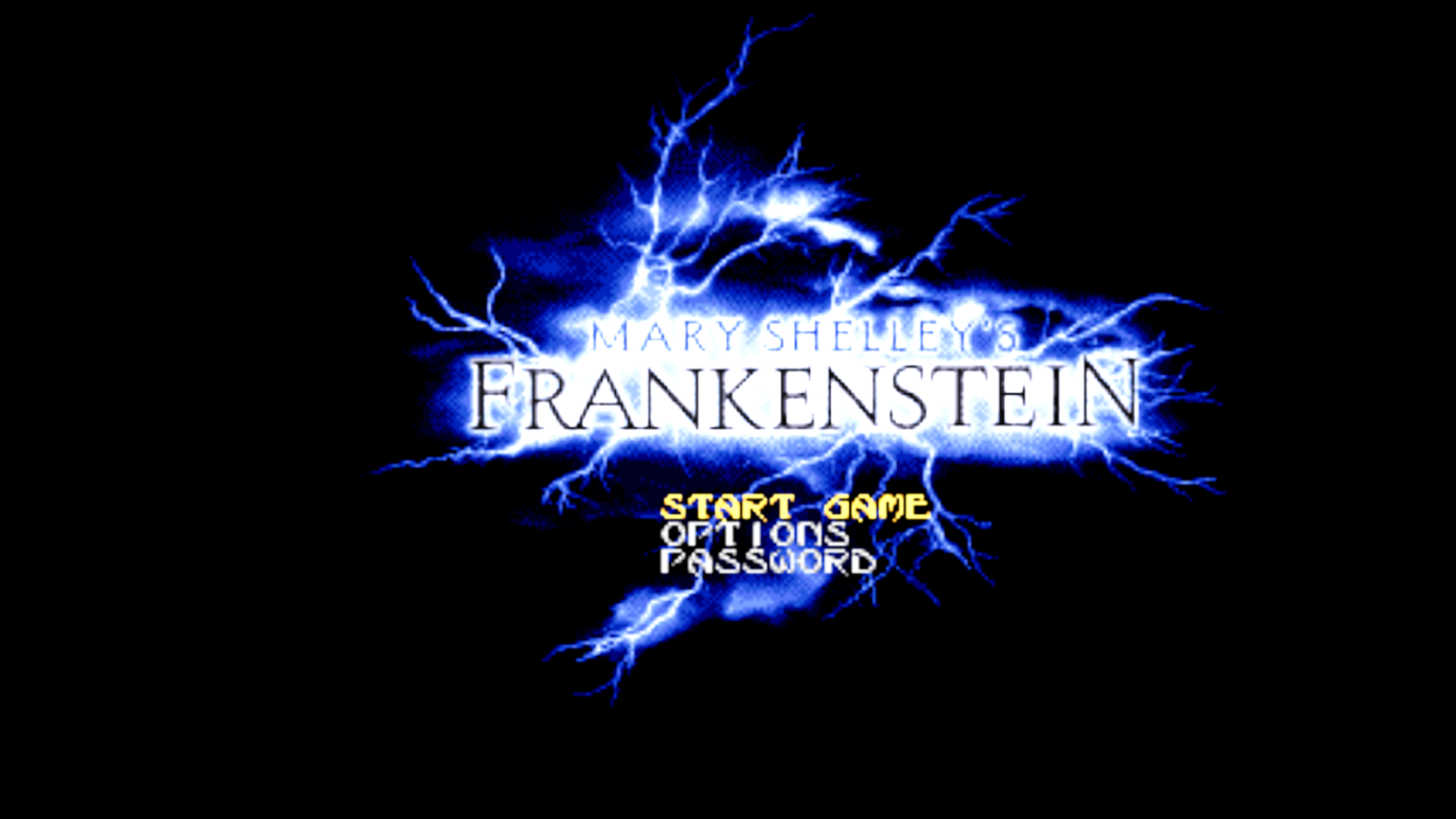
Mary Shel­ley, in her gild­ed cof­fin of prose and man and mad­ness, must have rolled over in her grave when this abom­i­na­tion based on her great­est work was released. As if the ’90s did­n’t have enough ter­ri­ble movie-to-game ties, along sham­bles the vit­ri­olic cash grab that is Mary Shel­ley’s Frankenstein.

The plot is tied direct­ly to the 1994 movie direct­ed by the inim­itable Ken­neth Branaugh and star­ring the leg­endary Robert De Niro. Vic­tor Franken­stein, a med­ical stu­dent, brings his cre­ation to life through sci­ence. The Crea­ture, which is sound­ly reject­ed as an abom­i­na­tion by soci­ety, wan­ders the Earth attempt­ing to find Vic­tor and exact revenge. 
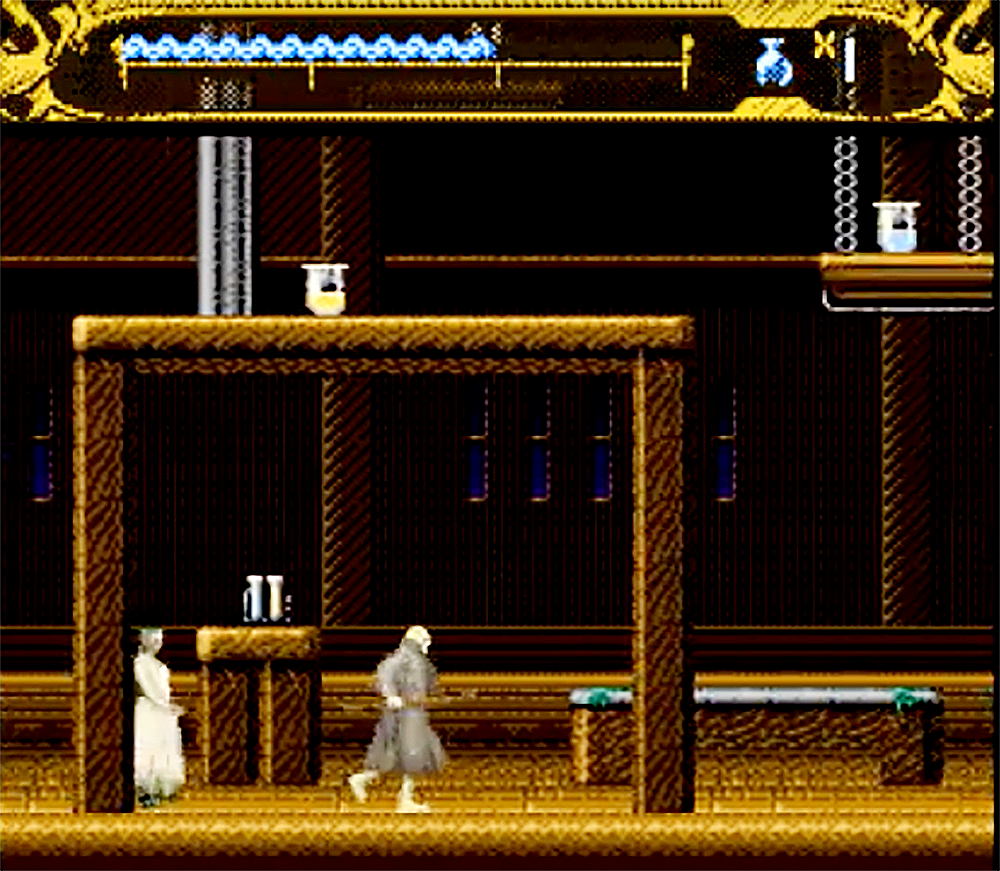
The orig­i­nal sto­ry is com­pelling. The video game ver­sion is not. As some­one who read Franken­stein, Or the Mod­ern Prometheus pre­vi­ous­ly, I have expo­sure to the sto­ry and the char­ac­ters. The game does noth­ing to tie the movie or the sto­ry to the game. You start the game as a being with no expla­na­tion of who you are or what you’re sup­posed to be doing. The strug­gle is imme­di­ate­ly and painful­ly obvi­ous once you’re dropped on the scene of a tired brown vil­lage. As I lat­er learned, I start as the Crea­ture, and I’m sup­posed to be flee­ing the vil­lage. The vil­lagers assume the Crea­ture is a demon and are try­ing to kill him while he’s on the way to find and kill Vic­tor. That’s the gist of the sto­ry, but I had to piece that togeth­er while watch­ing oth­er playthroughs. That was atro­cious in 1994 and is still atro­cious today.


Equal­ly ter­ri­ble are the game­play and graph­ics, which go hand in hand. There is noth­ing redeem­ing about play­ing as the Crea­ture. He ani­mates ter­ri­bly and plays just as ter­ri­bly. He moves slow­ly through every motion and looks hor­ri­ble while doing so. His shuf­fling gait stark­ly con­trasts with his spry yet stale jump­ing, and his abil­i­ties to swing a weapon are sub­par at best. Of spe­cial note, the plat­form­ing ele­ments are absolute­ly garbage. Egre­gious­ly, there is no map to indi­cate pre­vi­ous­ly vis­it­ed areas or loca­tions of inter­est. That’s nec­es­sary if you’re ask­ing me to back­track and solve hid­den item puz­zles in a large play­field. In an age where Super Metroid had been recent­ly released, there is no excuse for this type of ludi­crous over­sight. Sure, this is a quick movie tie-in, but the least you can do as a devel­op­er is take notes from a mas­ter of the craft and at least halfway attempt to steal basic con­cepts such as a map. 

And about the only redeem­ing fac­tor is the music. The tracks are repet­i­tive but they’re 1990s house music and goth­ic mean­der­ings so it’s tol­er­a­ble. But that can’t save the oth­er­wise mediocre prod­uct that groaned out of Mary Shel­ley’s mas­ter­piece novel.
The obvi­ous draw of Mary Shel­ley’s Franken­stein is, in fact, the Crea­ture but you would­n’t know it from the way this plays over­all. There is noth­ing here, except for the sound­track, that is worth both­er­ing with and even then, that’s ques­tion­able. Much like De Niro’s choice to play the Crea­ture, the biggest ques­tion of this whole trav­es­ty is why?

House of the Dead — Issue 54

House of the Dead
Sega, 1998

Retro House of the Dead sets up shop for franchise

Ah, the progress that has been made. The on rails shoot­ers genre has made strides in the last 27 years. Mod­ern con­trols — includ­ing light guns avail­able for the home mar­ket — have made play­ing a lot more enjoy­able. And that has made the House of the Dead series — and espe­cial­ly the orig­i­nal game — a tad bit more tolerable.

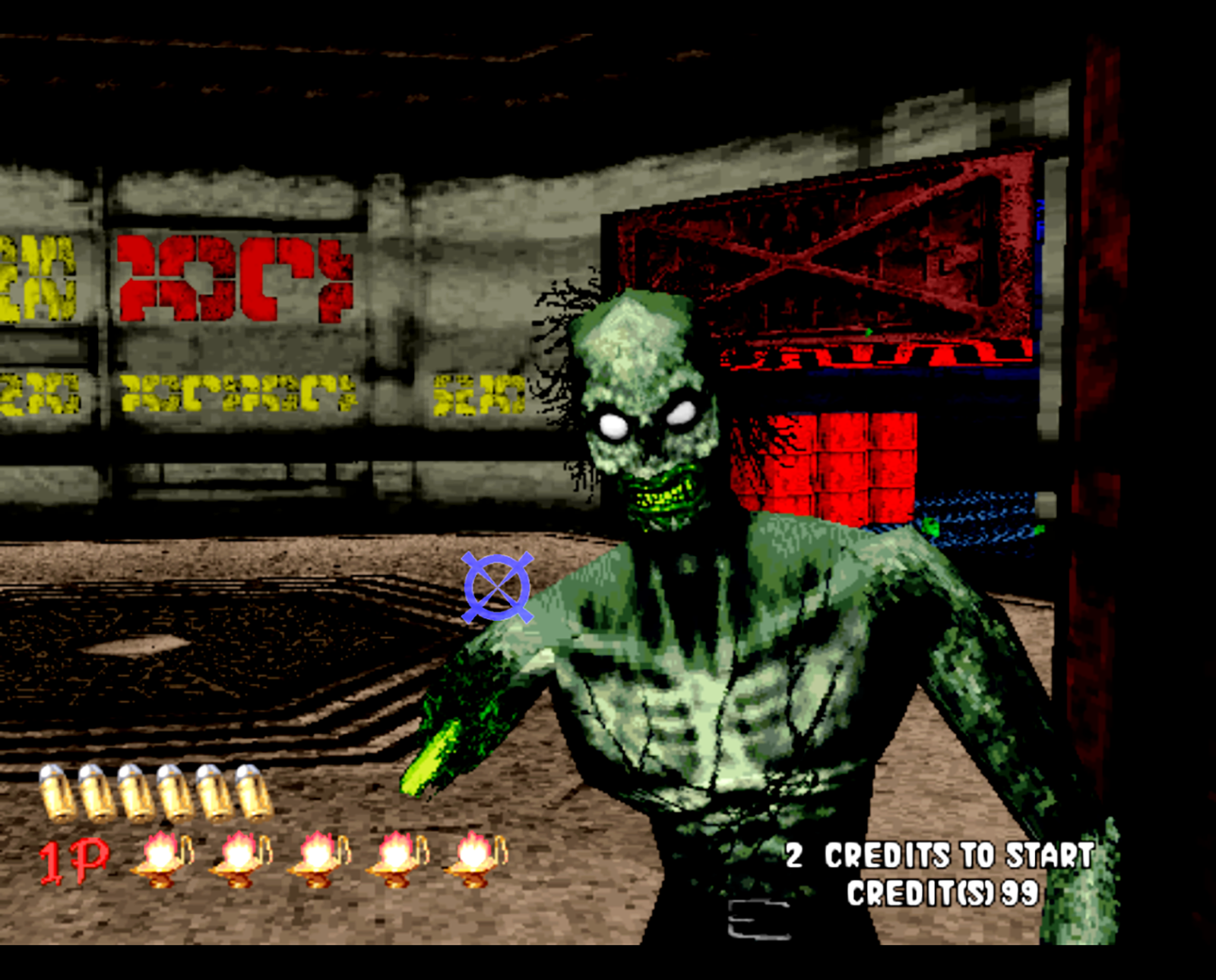
House of the Dead starts off as most zom­bie hor­ror games of the day did: A mega­lo­ma­ni­a­cal weirdo is mess­ing with bioter­ror­ism unnec­es­sar­i­ly and has cre­at­ed a mess. And by mess, I mean mutat­ed, trans­formed humans with a taste for flesh. That’s lit­er­al­ly the plot of the game. There’s some­thing about a fiancée that needs sav­ing and stop­ping this blight from spread­ing to the rest of human­i­ty, but that’s the basics. It’s ser­vice­able and real­ly does­n’t do much to affect the game­play. You’re killing zom­bies, boss zom­bies and most like­ly the end boss guy who cre­at­ed the prob­lem. Clean it up and go on in future sequels to take on an even larg­er threat in the bad guy’s boss because, of course, he has a boss.


Clean­ing up the prob­lem is the fun part here. The con­trols are your stan­dard light gun shoot­er but they’re fine. Aim­ing and shoot­ing was­n’t bad, though lin­ing up my shot some­times was not exact­ly sharp. There were a few times fight­ing some of the aer­i­al boss­es that the cur­sor just was­n’t keep­ing up so I took cheap hits. As an arcade old head, I know that’s the name of the game here: It’s designed to be a quar­ter-munch­er. But by the time I get home, there should be a bet­ter under­stand­ing that this isn’t going to fly. Thank­ful­ly, cheat codes exist so it’s not a prob­lem. But for arcade con­di­tions sake, this real­ly isn’t cool.

Because this is a 1998 prod­uct we’re talk­ing about, I’m also not expect­ing the graph­ics to look like much. And they don’t, beyond these zom­bies look­ing OK. Keep in mind that these graph­ics did­n’t real­ly improve until well beyond the sec­ond game/Typing of the Dead, so you’re going to be see­ing them for a long time. The music fares about the same, too. They are decent enough for the late ’90s, and they work well in the con­fines of House of the Dead.

House of the Dead has made many improve­ments in the near­ly 30 years since the orig­i­nal game. It did­n’t set the barn on fire then but it’s a nice rail shoot­er if you’re into zom­bie hor­ror and like what the series has to offer. Per­son­al­ly, I’m more apt to play Typ­ing of the Dead before House of the Dead, but that’s because I pre­fer to be a key­board sharp­shoot­er these days. House of the Dead­’s ret­i­cle is set in the mid­dle with the abil­i­ty to go higher.

Bram Stoker’s Dracula — Issue 54

Bram Stok­er’s Dracula
Psyg­no­sis, 1993

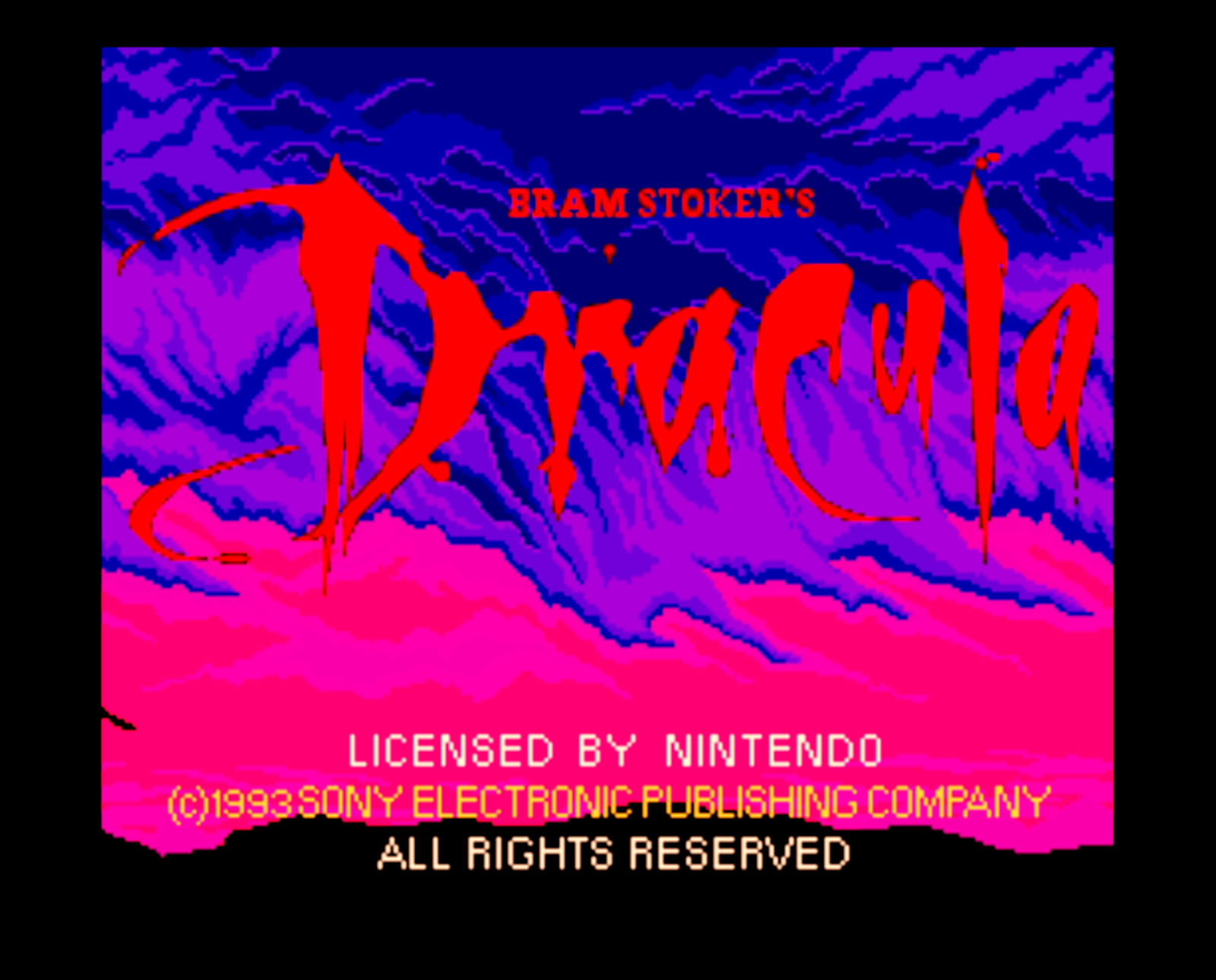
Bram Stoker’s Drac­u­la shows fangs with lazy underbite

What do Drac­u­la, Sony and gam­ing con­soles have in com­mon? In 1993, Sony was one of the few multi­na­tion­al com­pa­nies that had own­er­ship of well-known Hol­ly­wood stu­dios. Sony owned Tri-Star Pic­tures, which released the 1992 film Bram Stok­er’s Drac­u­la, based on the leg­endary hor­ror sto­ry. Sony, known as Sony Image­soft at the time, had a strict hold on their movie busi­ness, which allowed them to devel­op games based off their releas­es on the box office front. Bram Stok­er’s Drac­u­la is one of those exam­ples that snuck onto the SNES.

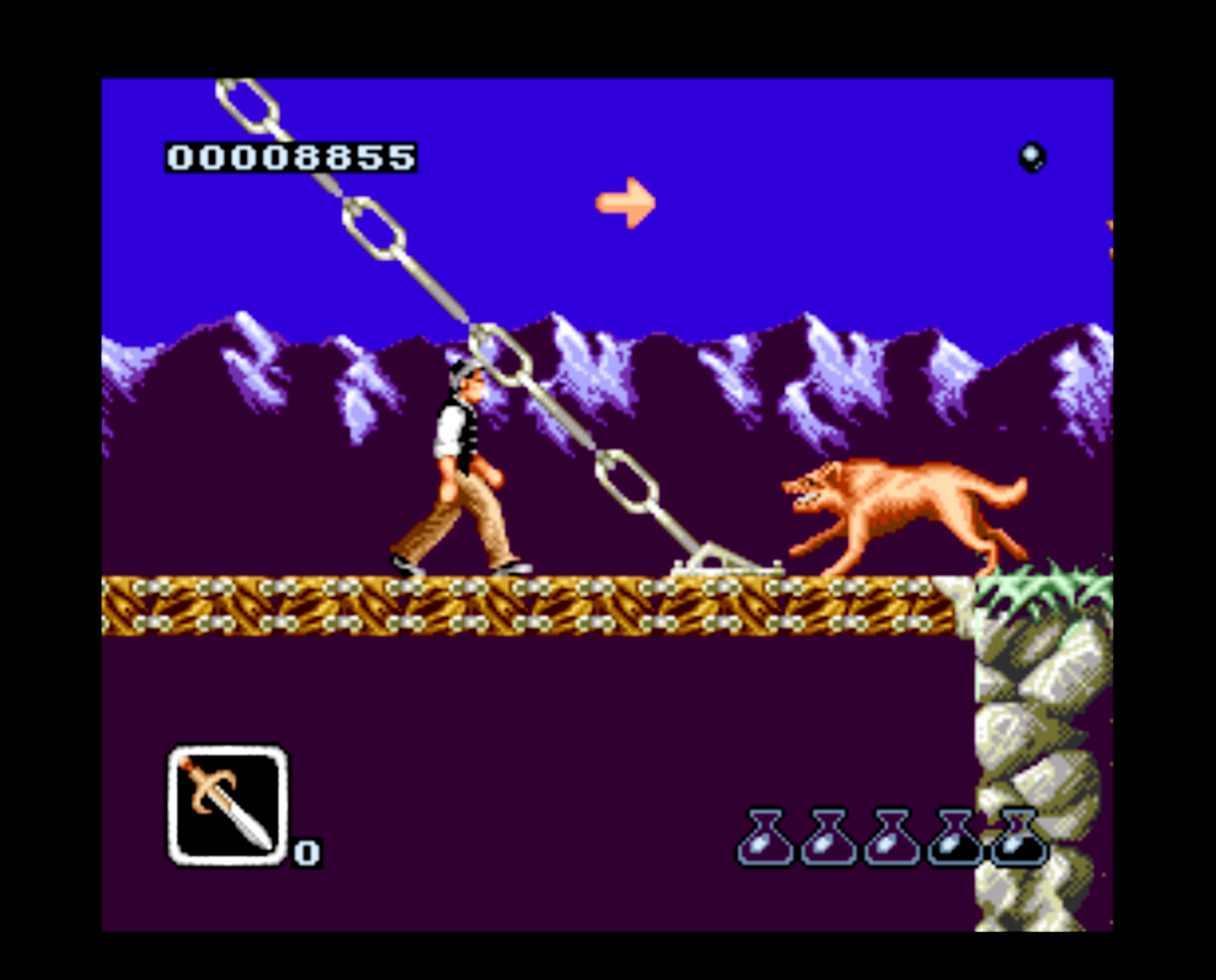
Based on the movie, you play as Jonathan Hark­er who must res­cue his fiancé Mina Mur­ray from Drac­u­la’s clutch­es. Good old Drac­u­la believes that Mina is a mod­ern rein­car­na­tion of his pre­vi­ous love Elis­a­be­ta who was dri­ven to sui­cide by Drac­u­la’s ene­mies while he fought against the Ottoman empire in 1462. Deter­mined to have Mina by any means nec­es­sary, Drac­u­la begins his bat­tle against Hark­er with VERY high stakes involved. The graph­ics of the game are stan­dard 16-bit, but Sony gets cred­it for pair­ing details for each lev­el with rec­og­niz­able scenes from the film. Although the graph­ics made the game pre­sen­ta­tion campy, I thought the graph­ics stayed on task and did a ser­vice­able job. 

Con­trols to get Hark­er around are the usu­al fare for side scrollers on the SNES. An ambi­tious but under­ex­plained mechan­ic is Hark­er’s abil­i­ty to use var­i­ous weapons that he can pick up along the way from Dr. Van Hels­ing, who shows up to help. The con­trols, while stan­dard, aren’t the best; they need some work. Pre­ci­sion jump­ing and slash­ing is hit or miss when I least need it to be. 

The game music is OK, but the prob­lem is it’s repet­i­tive. If Sony owns the stu­dio that released the movie and its music was per­fect, why not use that same sound team to work its mag­ic for the game? This is not an imme­di­ate rea­son to avoid play­ing it, but Sony Image­soft could have done more for the game, espe­cial­ly if it is based off a box office hit. My griev­ances for this game are small but even the small details in its devel­op­ment can deter­mine its suc­cess or fail­ure. Sony did not give prop­er sup­port in cru­cial areas of the game’s development. 

Bram Stok­er’s Drac­u­la, despite lack of atten­tion to detail in some areas, is a good game that pays trib­ute to the orig­i­nal work. The con­trols could use some work, and the sound­track could be bet­ter, but the game works as a decent tie-in to the movie adap­ta­tion. It’s some­thing you may be able to sink your teeth into.

Castlevania: Symphony of the Night — Issue 54

Castl­e­va­nia: Sym­pho­ny of the Night
Kon­a­mi, 1997

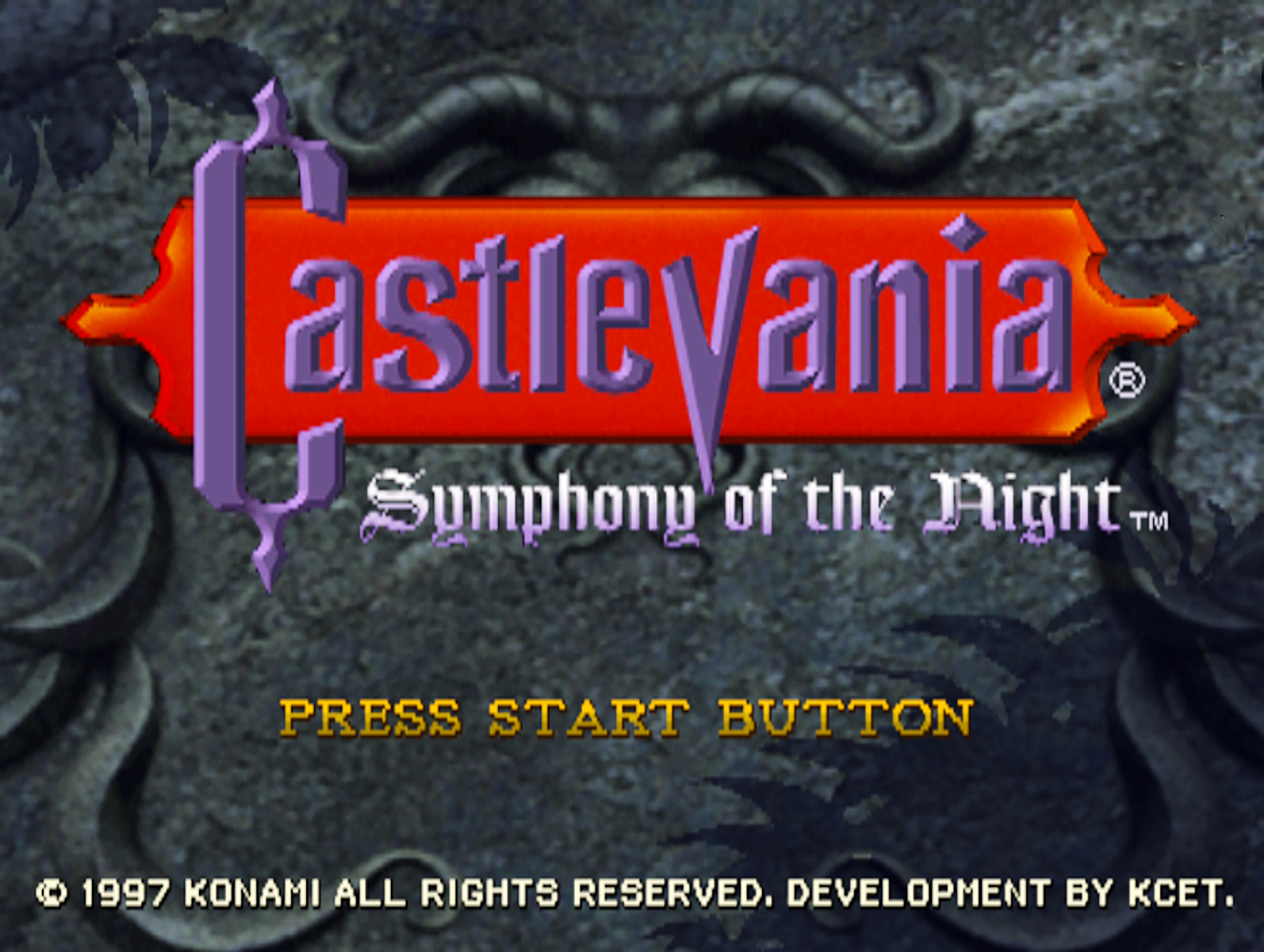
Sym­pho­ny of the Night plays a sweet song of woe

I ful­ly admit that I’m a lit­tle late for the Hal­loween par­ty that is Castl­e­va­nia: Sym­pho­ny of the Night. I real­ly stopped pay­ing atten­tion to the series after Super Castl­e­va­nia IV, most­ly because it’s a hard series and I have a lot of love for that game and the orig­i­nal. I did­n’t need any­more Castl­e­va­nia. But after coax­ing from friends, mak­ing the Metroid­Va­nia con­nec­tions and know­ing its leg­endary sta­tus, here we are, and it’s tak­en a bite out of me.

Sym­pho­ny of the Night, in all its goth­ic hor­ror, appeals to me on sev­er­al lev­els. The sto­ry is famil­iar in that Alu­card — son of Drac­u­la and a sup­port­ing char­ac­ter in the third game — is attempt­ing to stop his father once again. That famil­iar­i­ty is enough to get me going because it’s all I need to know about what’s going on. Sure, I’m kind of used to a Bel­mont lead­ing the way, but Sym­pho­ny of the Night does­n’t need to rely on that kind of tradition. 

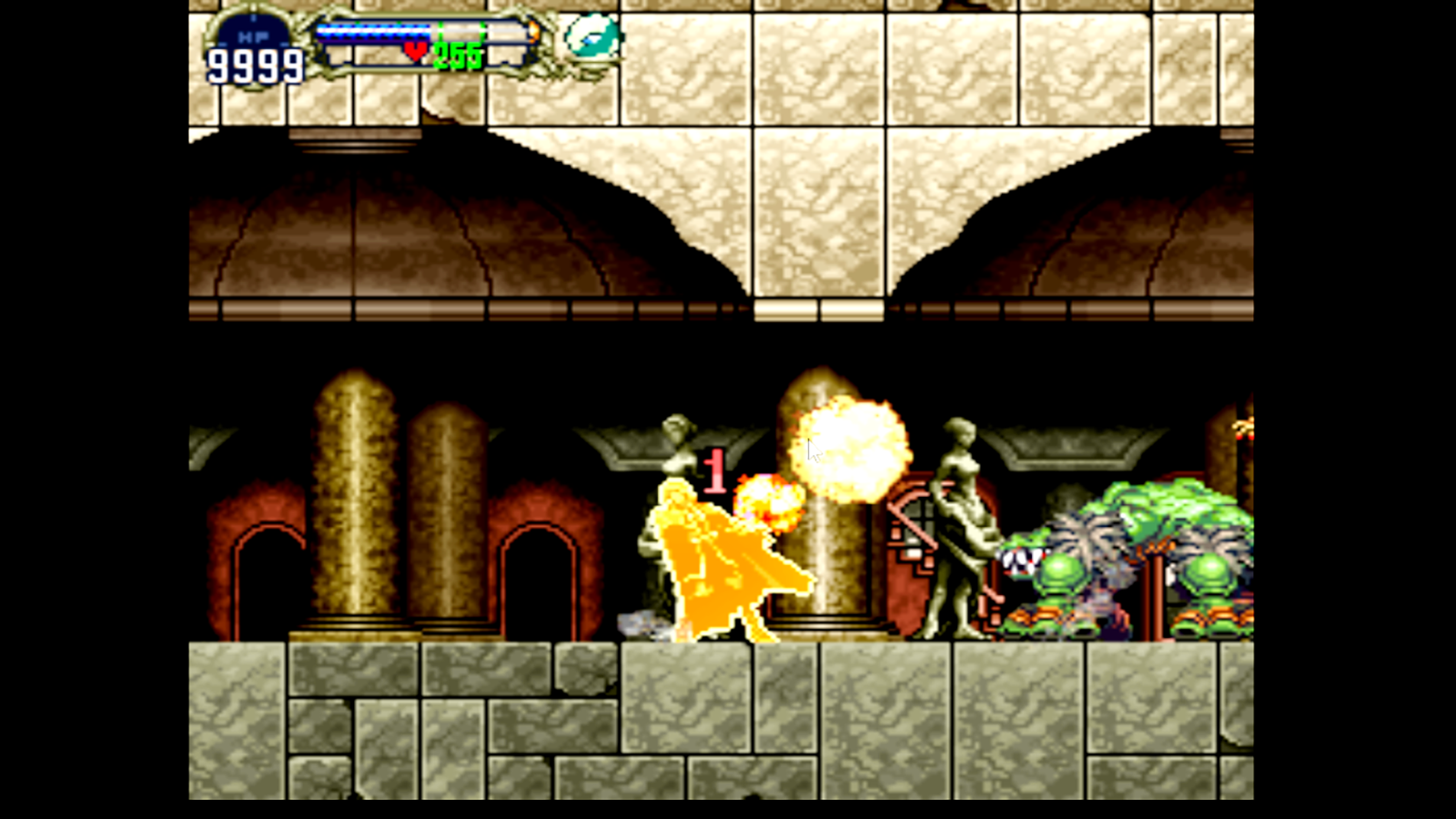
The tra­di­tion that it does lean on is game­play. The com­bat and move­ment are excel­lent, and it feels sec­ond nature to move around. Keep­ing it sim­ple but adding the RPG ele­ments was a fan­tas­tic design choice. Most of the new weapons are cool, and fight­ing ene­mies is a beau­ti­ful­ly built song and dance. Best of all, there is an in-game map includ­ed. For a sprawl­ing game requir­ing mas­sive plat­form­ing, a map is required, and Sym­pho­ny hits the mark by auto­mat­i­cal­ly includ­ing this. 


Graph­i­cal­ly, the game is gor­geous. Kon­a­mi did some­thing beau­ti­ful here and Castl­e­va­nia looks bet­ter than ever. The goth­ic details are some­thing to behold and are eye-catch­ing as well as pleas­ing to some­one with a goth sen­si­bil­i­ty and yearn­ing for video games. The sound­track is just as beau­ti­ful, neces­si­tat­ing find­ing the sound­track to add to the col­lec­tion. There are famil­iar riffs (Vam­pire Killer makes a cameo) and new chords to strike that are mas­ter­pieces, which is expect­ed of the leg­endary Kon­a­mi sound.

Alas, while try­ing to think of any­thing wrong with it, I’ve con­clud­ed that Sym­pho­ny of the Night is a well-exe­cut­ed mas­ter­piece. It hits all the marks and pulls no punch­es in ele­gance, crafts­man­ship. It’s telling that most Castl­e­va­nia games lat­er in the series use Sym­pho­ny as the tem­plate on which they build. Sym­pho­ny is a build­ing crescen­do of great­ness, cul­mi­nat­ing in sol­id sto­ry­telling, game­play and world-building.

Frankenstein: The Monster Returns — Issue 54

Franken­stein: The Mon­ster Returns
Tose, 1990

The Crea­ture bound to bet­ter fate with NES tome

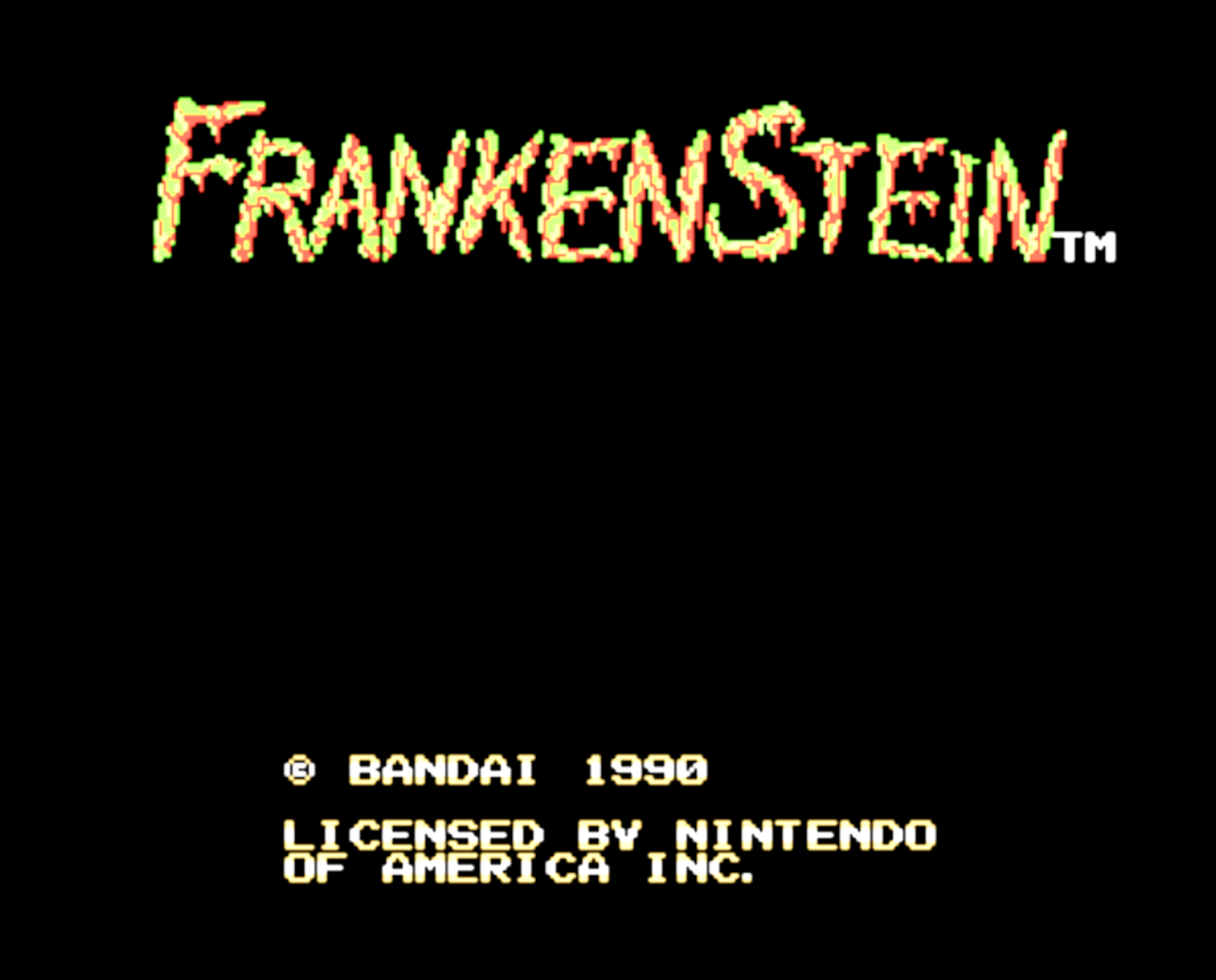
Ah, Franken­stein. This leg­endary hor­ror mon­ster has come a long way from the time his sto­ry was writ­ten by Mary Shel­ley. One of the most pop­u­lar hor­ror mon­sters of all time, Franken­stein moved from mod­ern writ­ten adap­ta­tions to var­i­ous movies, a car­toon ver­sion for a break­fast cere­al and final­ly in video games such as Castl­e­va­nia. Dur­ing his video game tenure, Franken­stein has been the sub­ject of a Bandai game in which he is the main vil­lain, mak­ing a dig­i­tal name for him­self. Franken­stein: The Mon­ster Returns for the NES was his big break.


In Franken­stein: The Mon­ster Returns, in an unknown part of Europe the leg­endary mon­ster has been res­ur­rect­ed thanks to light­ing that struck his bat­tered tomb­stone in an ancient ceme­tery. Ful­ly restored, Franky and his band of min­ions attacked a near­by vil­lage, and he kid­naps Emi­ly, the daugh­ter of the vil­lage elder. With Emi­ly and all the land in great per­il, it is up to an unknown hero to answer the call to final­ly end Franky’s reign of ter­ror and make the land pros­per­ous again. 

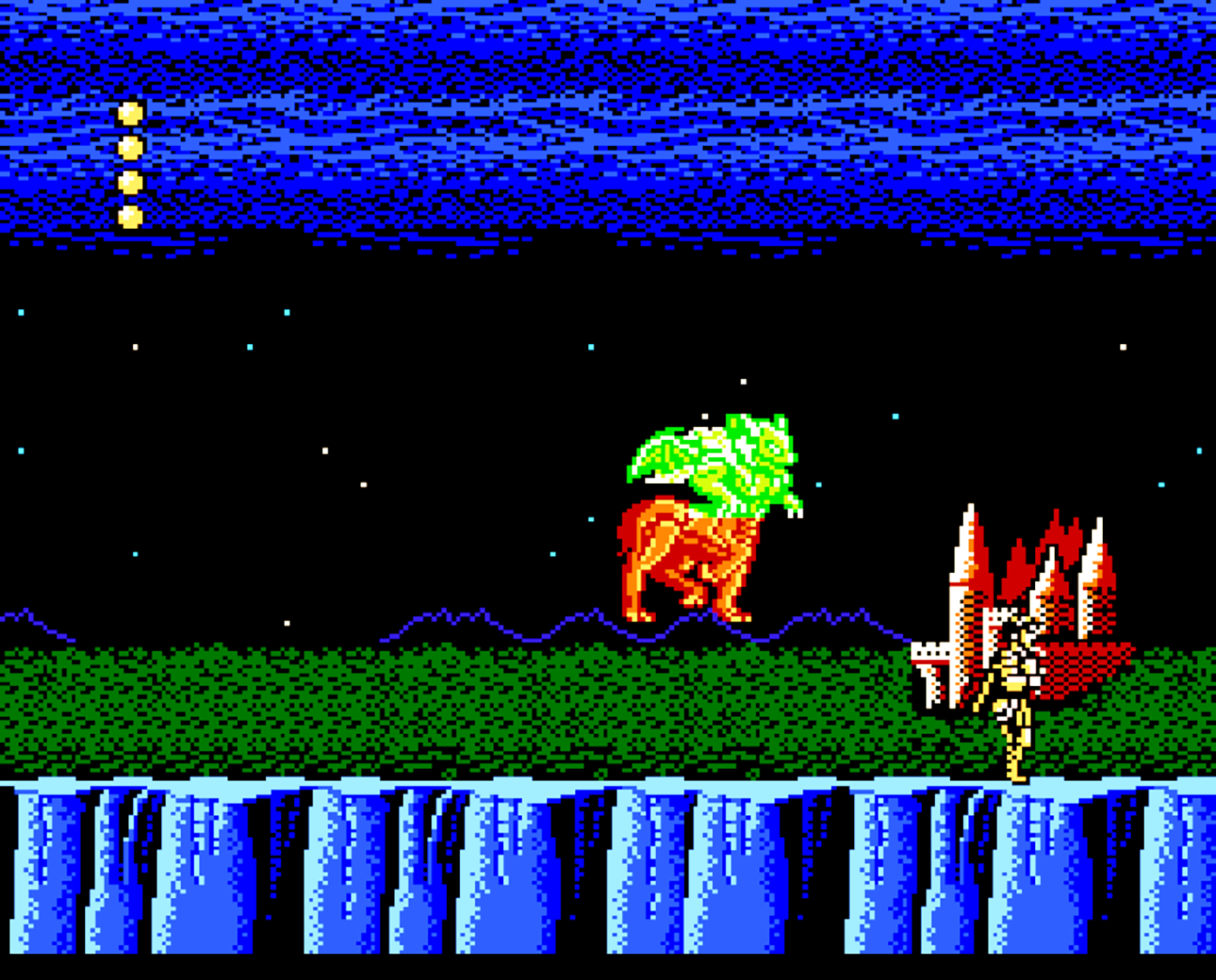
The graph­ics of the game are typ­i­cal of com­mon 8‑bit action-adven­ture games. Although I’ll give Bandai cred­it for attempt­ing to match var­i­ous scenes to the orig­i­nal nov­el, cer­tain sec­tions made me think I was play­ing a jum­bled mix of Bat­man, the orig­i­nal TMNT, and Castl­e­va­nia. Con­trols are also like Castl­e­va­nia, which is wel­come famil­iar­i­ty. How­ev­er, this scheme can be prob­lem­at­ic because pre­ci­sion is not abun­dant here. You will miss plat­forms and it’s the fault of the con­trol design, not you. 

The music is appro­pri­ate­ly chill­ing and hor­ror themed. How­ev­er, some­times it tries to do too much. Unfor­tu­nate­ly, this is a weak spot because the music will try its best to out­do Castl­e­va­nia, and it’s nowhere near that lev­el of audio masterpiece. 
Franken­stein: The Mon­ster Returns is a campy B‑movie game that gave an icon­ic mon­ster a chance to shine. Franken­stein would be sec­ond place to Castl­e­va­nia since no oth­er Uni­ver­sal mon­sters got their own game and man­aged to out­shine Castl­e­va­nia and Franken­stein. Franky’s mis­ad­ven­ture, while not quite as good as Castl­e­va­nia, is still able to scare up a good time.