First of its name is crossover combination everyone needs
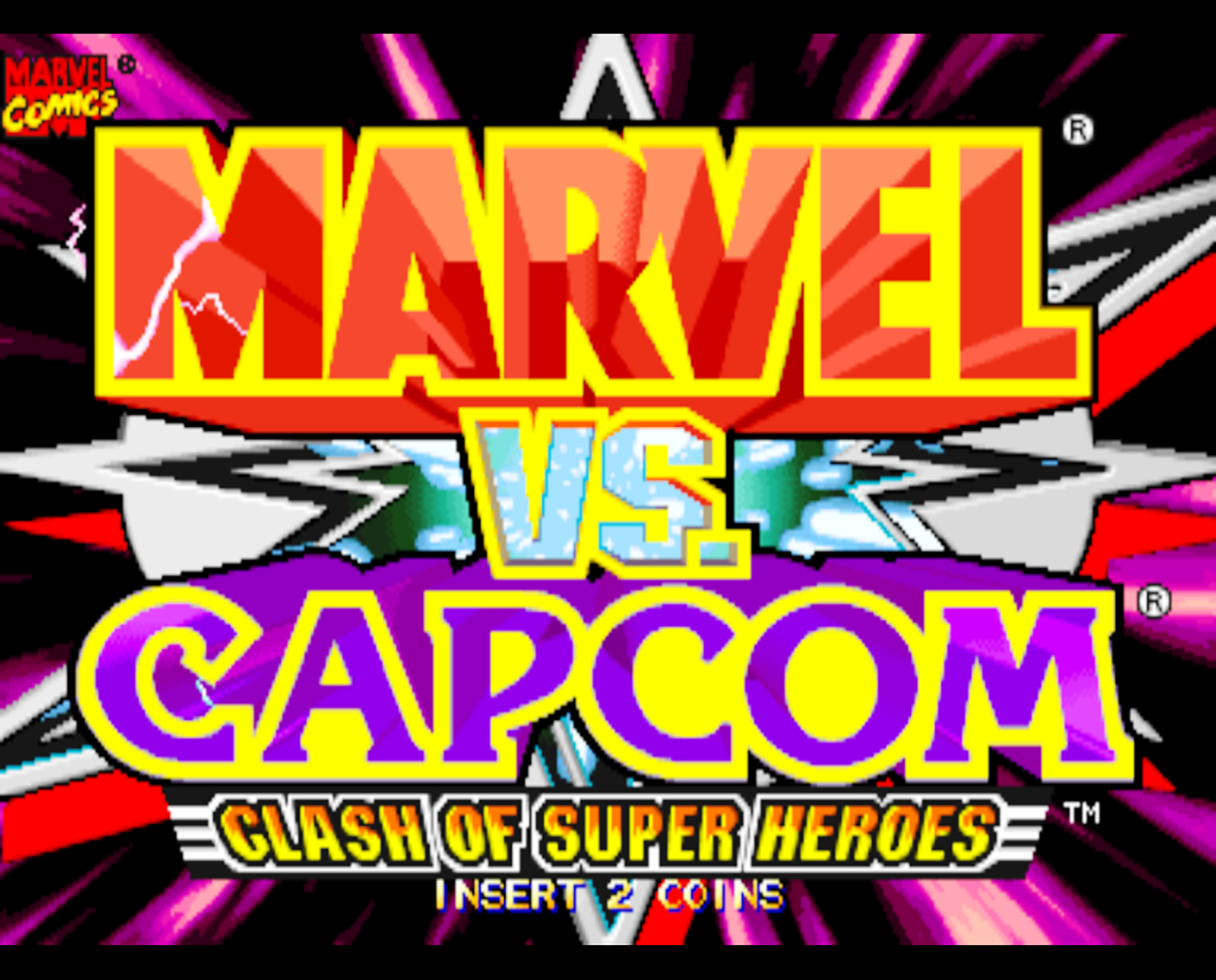
Marvel vs. Capcom is where I started. My broader Marvel education beyond the X‑Men? Marvel vs. Capcom. My love for the Versus series? Marvel vs. Capcom. I learned these lessons through the eponymous Versus title, and I’m richer for it. MvC is six-button perfection.
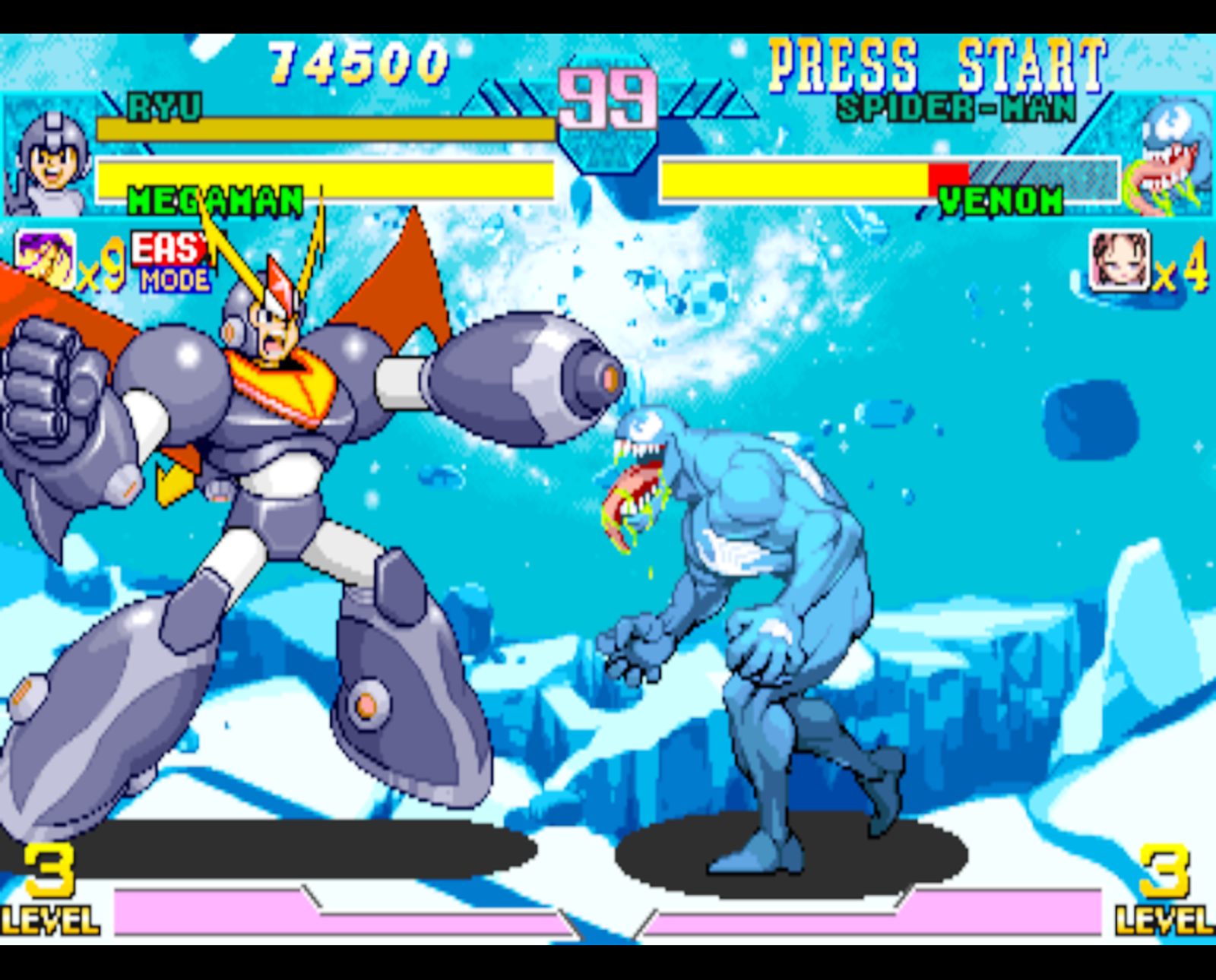
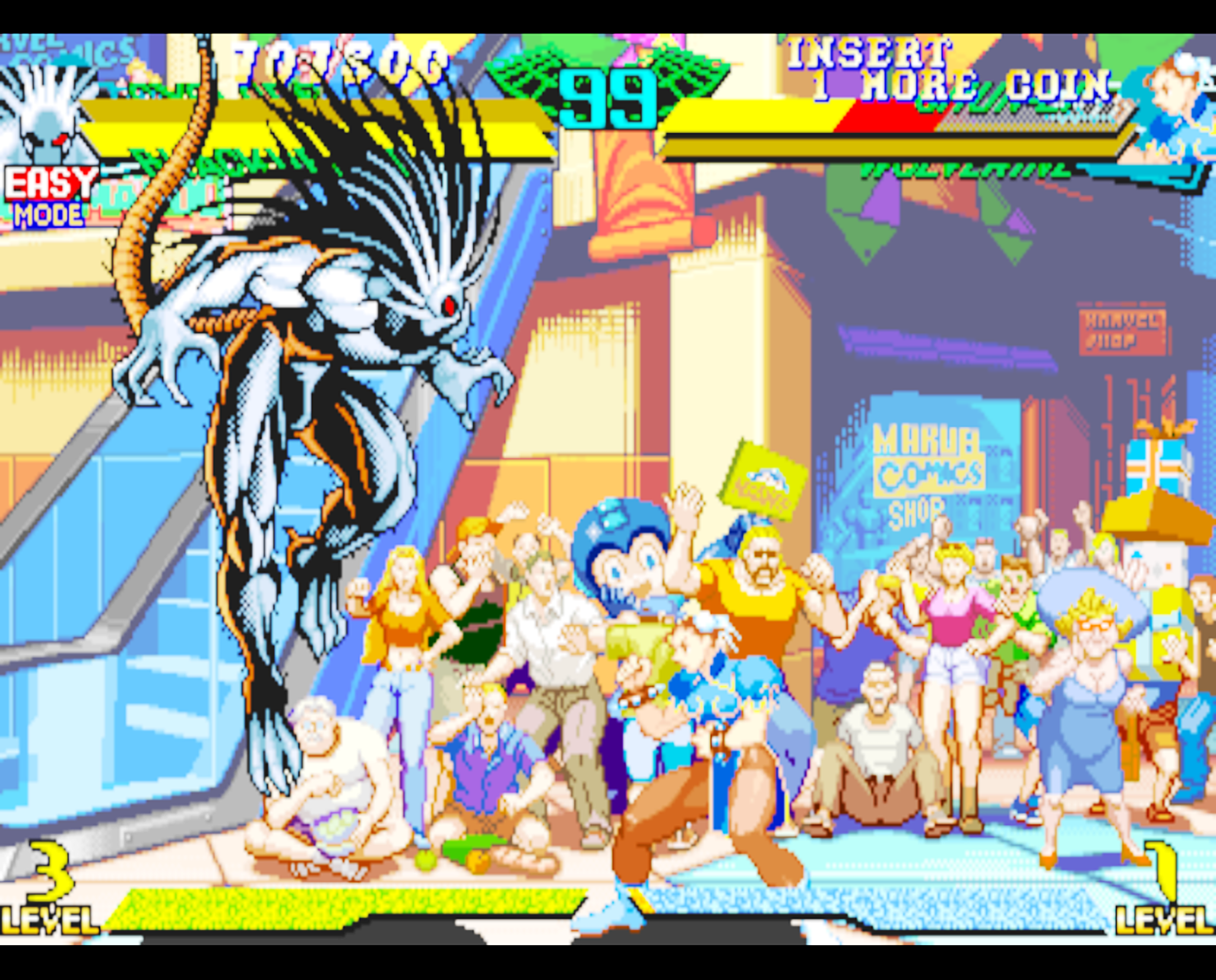
Marvel vs. Capcom is technically the third game in the Versus series, not counting X‑Men: Children of the Atom and Marvel Super Heroes. This is where the magic has been perfected. Loosely adapting Marvel’s Onslaught story arc, MvC brings together some of Marvel’s biggest names that had yet to appear and the wider Capcom universe. Some big Marvel names like Magneto and Colossus reappear in assist roles while newcomers like Venom and War Machine join the fray, and Capcom mines the depths of its catalogue to bring in characters such as Strider, Mega Man, Morrigan and Captain Commando. The roster is an interesting mix and good call because it introduces a lot of favorite faces and it tries hard to avoid retreads.
Also, a good decision is the refinement of the two-character team concept. MvC plays like a dream and characters feel substantial. The gameplay flows well, and moves and supers feel bombastic, as they should in a Versus game. Picking up the game is easy thanks to the Auto Mode and moves feel smooth. There are still some moves that are hard to perform (looking at you, Eternal Slumber), but overall, the game plays with a better handle on fighting than its predecessor, Marvel Super Heroes vs. Street Fighter. Another area where MvC excels over the preceding game is the presentation. The game looks great, with large colorful sprites and gorgeous backgrounds. Characters animate smoothly and look great as representations of their respective series. Equally as impressive as the graphics is the soundtrack. MvC has one of the best soundtracks in the series, and it’s not because there are remixes of existing character themes. The music fits the game mood well and the announcer — Sally Cahill of Resident Evil fame — adds to the crossover atmosphere.
While MvC isn’t perfect, it’s close. I don’t have too many complaints beyond difficulty pacing issues in the arcade ladder. The final two fights before facing boss Onslaught are brutal, and the difficulty could have been tweaked just a tad. But that is not enough for me to ding the game heavily.
What I appreciate the most is the obvious care and attention to detail with MvC. MvSF is unmitigated laziness while MvC got serious again about the legacy of the series. The roster for main characters and assists feels thoughtful, the presentation is fun and engaging and the gameplay still holds up well. It might not be played as much as its direct sequel in Marvel vs. Capcom 2, but I still find myself returning to pull off Duo Team Attacks frequently. MvC is the most marvelous of the series.
Fate of Two Worlds shores up Capcom Versus fighting game franchise
Editor’s note: This review originally appeared in Issue 16 (4Q2011). It has been edited for spelling, grammar and clarity.
By Jamie Mosley, former associate editor Gaming Insurrection
It may seem odd to most gamers that sometimes it takes a long time for a sequel to be released for a successful franchise. Gamers that have just started in the seventh generation of consoles have seen franchises milked literally to death like the Guitar Hero franchise. And we get a new Call of Duty game every single year. The Marvel vs. Capcom franchise, however, hasn’t seen a new installment for a decade, missing out entirely on the sixth generation. Sure, the most recent installment, Marvel vs. Capcom 2, has been ported about a million times, but the fact remains that it took Capcom more than 10 years to make an official sequel. Was it worth the wait?
Marvel vs. Capcom 3 is a fighting game that takes characters from the Marvel universe and the Capcom universe and puts them together. Crossovers like this don’t happen often, and it’s exciting to see fan-favorite characters duke it out. The roster includes Chris Redfield, Albert Wesker, Ryu, Amaterasu, Viewtiful Joe, Spider-Man, Captain America, Wolverine, The Incredible Hulk, Iron Man and many others. This epic cast of characters can satisfy most fans of Capcom or Marvel. Despite this, there are a few characters whose lack of appearance is disappointing. Mega Man, who was in the widely successful MvC and MvC2, is absent from this game as is Captain Commando. On top of that, some newer Capcom characters that have recently become quite popular in this generation, Frank West and Phoenix Wright, also don’t make an appearance in MvC3 (Editor’s note: This was rectified in Ultimate Marvel vs. Capcom 3).
Frank West is especially disappointing considering he was in the Wii’s Tatsunoko vs. Capcom: Ultimate All-Stars. Venom, from the Spider-Man universe, would have been a fantastic fit (Editor’s note: Venom returned in Marvel vs. Capcom: Infinite), and the Marvel side is pretty light on villains in general. A lot of the franchises are under-represented, which was quite disappointing. Despite the lack of obvious characters and the smaller roster compared to its predecessor, MvC3 still boasts one of the greatest rosters in fighting game history, in my opinion. The amount of potential awesomeness here is overwhelming. Classic rivalries can be revisited and watching Chris Redfield shoot Spider-Man in the face with a shotgun never gets old. Each character has plenty of unlockable color schemes for their outfits plus a robust arsenal of attacks. Every character feels unique and plays differently than any other of the other characters to choose from. This is especially true for Amaterasu from Okami and Dante from Devil May Cry, two of the most popular characters in the game.
On top of the 30 plus characters available, there are also four unlockable characters. While these characters aren’t especially exciting or anything, it’s still fun to unlock them. The biting thing about MvC3 is the fact that it was promised to have characters to download as DLC and a new gameplay mode, all of which were talked about before the game was even released.
Unfortunately, releasing these characters and an entirely new gameplay mode as DLC so close to the game’s launch looked bad, to say the least. Capcom, of all companies, should be wary of DLC, and releasing it on day one or talking about the DLC in detail before the game has even hit shelves will make this consumer feel cheated, especially when most of it is on the disc already and it has to be paid for to be unlocked.
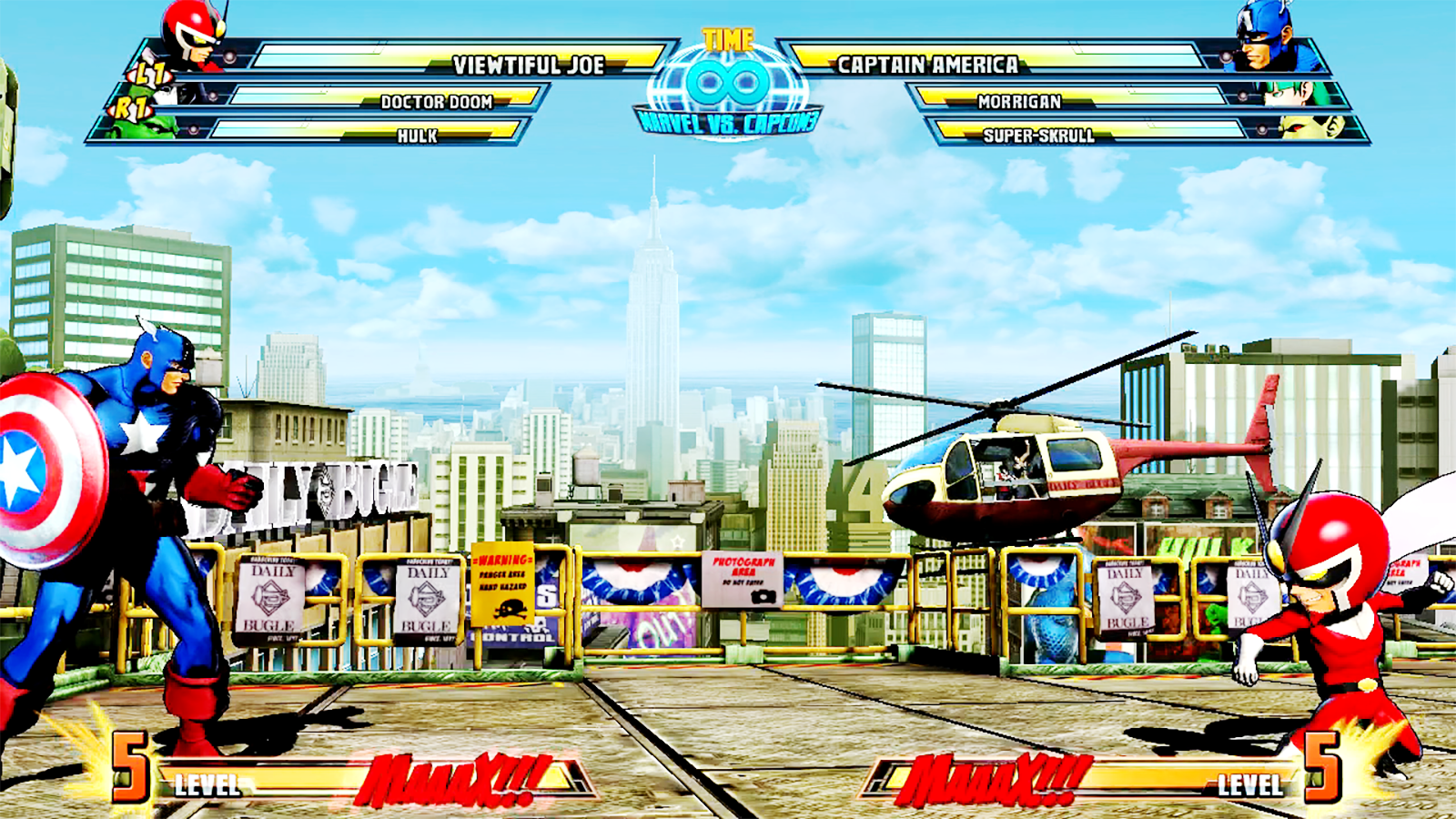
The fighting engine in Marvel vs. Capcom 3 favors players that practice and learn all the different combos, but it also favors button mashers. Essentially, you can try to play the game strategically and be successful, but there is also a huge possibility that someone who has barely played the game could easily defeat a veteran just by mashing on the controller and picking the right team. There are characters that are clearly more powerful than the rest of the roster, and while I really am not too concerned with balance in over-the-top fighting games like this, it will undoubtedly become an issue for serious players. But even so, every character is dangerous in their own way.
Speaking of imbalance, there is a mechanic that can turn the tides of battle in a quick second: the X‑Factor. On the other hand, the ability becomes a great defense when you are left with only one character on your team because it’s a great morale killer. But like I said, balance isn’t a big deal with this game, at least not for me. Just like the Super Smash Bros. games, the point of MvC3 is over-the-top, insane action featuring a roster teeming with variety. It’s fun testing out all the different combinations of characters to find which combination yields the most destructive results. And that is what keeps me coming back to MVC3. The different combinations of teams, attacks and the fun that can be had is endless.
Playing online certainly boosts the replay factor considerably, and it definitely helps that the online is mostly lag-free. I experienced some while playing over Xbox Live, but the overall experience was fantastic. The ranking system implemented in the game echoes Call of Duty, and even though ranking up in the game is meaningless, it’s still strangely addicting. The online component also ensures that you’ll always have someone to play with, even when your friends aren’t around. Unfortunately, MvC3’s online multiplayer isn’t set up well at all. Just finding a ranked match can be difficult. The second day of playing the game, it became nearly impossible for me to get into a match.
In the end, whether or not you’re a fan of Marvel or Capcom will influence whether or not you will pick the game up, but the more casual fighting fans should give this latest crossover from Capcom at least a rent.
2UP evaluation
By Lyndsey Beatty
I never thought we’d be seeing another entry in the Marvel vs. Capcom series. After 10 years, and plenty of denials on both sides, it’s been made, released and played in quite a few tournaments within the past year. Am I pleased with it? Yes, but with a few caveats.
I don’t want anyone to get the wrong idea: Yes, I love the game. It’s got a great look to it, and the visuals could only go up after 10 years and MvC2. There are a few bothersome things about the look that I don’t care for, such as the matchup screen and the comic book theme, but it’s nothing that would keep me from playing. I also have a problem with some of the character lineup choices. Really, did we need Hulk and She-Hulk? No, probably not. Wolverine and X‑23? Also probably not, but I do recognize that they have individual traits and aren’t necessarily the bane that was the Adamantium Wolverine/Bone Claw Wolverine of MvC2.
My only other gripe with the game is the netcode. Someone at Capcom should have been paying attention to the Street Fighter IV team. Getting online in that game is a smooth experience. Here? Not so much. It’s ridiculously hard to find a match and get started playing, and after it’s over? You go back to the match choice screen. It’s completely unnecessary and it’s a real hindrance to the overall play if you want to enjoy matchups against other people who aren’t your friends. Hopefully, this will be fixed in the already-announced Ultimate Marvel vs. Capcom 3.
Overall, though, it’s a solid entry in the crowded fighting game arena, one that I didn’t think I’d ever see or be able to sit down and enjoy. The package, for what it’s worth, more than sells itself and with downloadable content, it’s worth coming back to this well.
Marvel Origins did series proud with two best games
Editor’s note: This review originally appeared in Issue 21 (1Q2013). It has been edited for spelling, grammar and clarity.
There are those of us who love games and comic books, and then there’s those of us who love the Versus fighting game series. I’m firmly in the camp that loves the Versus series with passion. Some games more than others attack my heart, but I really appreciate the depth and intricacy that can be found in Marvel characters teaming up to fight alongside or against each other or Capcom characters. Out of all the series’ offerings, I seem to derive the most pleasure from Marvel vs. Capcom.
Of the various versions of the game out on the market, this newest version belongs in the premier echelon of treatment. It’s packaged with Marvel Super Heroes ― the second game in the series ― and gives some of the newer gamers the background necessary to fully understand what’s being dangled in front of them today with Ultimate Marvel vs. Capcom 3. True, there isn’t an excess of 56 characters or the gaudiness of X‑Factor as a draw, but the foundation and the buildup on that foundation are present through both games and that’s what matters when you want to learn where a franchise comes from.
If you’re a purist in terms of the structure of the game, this is a version that deserves a purist’s critical eye. The gameplay in both games is perfect. It’s as smooth an experience as putting in quarters at an arcade and playing to your heart’s content. Moves work the way they should, and combos can be pulled off very well. Gameplay quirks ― such as Marvel vs. Capcom’s frustrating difficulty in the arcade mode ― are still there, but that shouldn’t be a deterrent to the overall experience. And for me, it wasn’t. I picked it up and played Marvel vs. Capcom immediately as if it were the Dreamcast version, which is also an arcade-perfect port. Marvel Super Heroes is a sublime play experience as well for many of the same reasons.
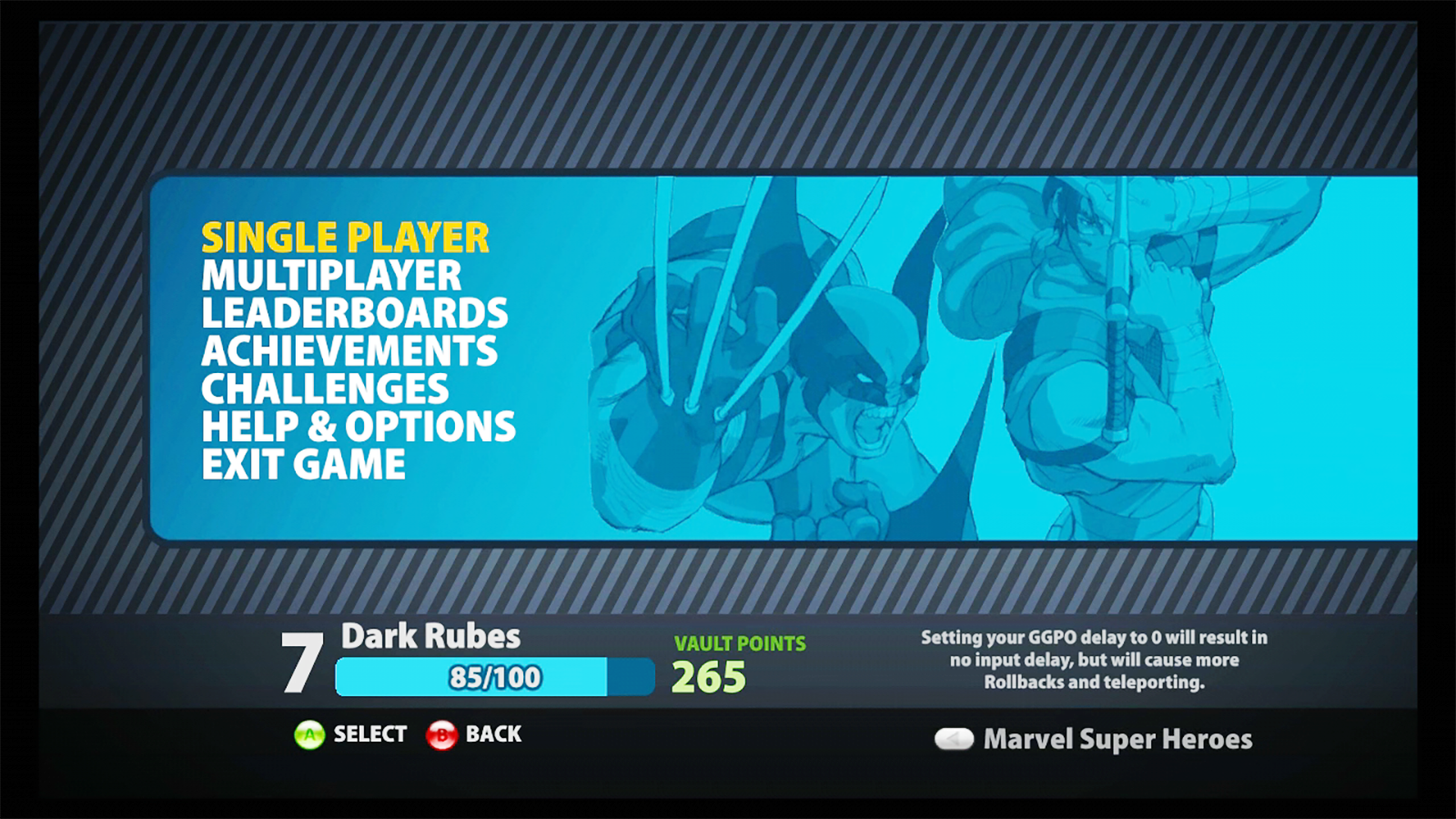
Because these are arcade-perfect renditions of the games, the music and graphics are pretty much the same, too. There are a few options added for the view, and I must applaud the creation of the challenge sidebar that can be turned on or off for both games. It’s a neat way to keep abreast of progress in the games’ accomplishments, and the view doesn’t get in the way of the gameplay. Done in an arcade cabinet style, it’s easier to keep up with the action than if the game were in wide-screen format.
If you consider yourself a fighting game effector and you loved the Versus series, you’re probably going to love this. It’s especially poignant to be able to play the early entries in the series now that consoles and fighting games have moved on from this style of play. It’s easy to forget about the progenitors of a series when there’s fresh blood in town. Marvel vs. Capcom Origins somehow manages to bring back familiar gameplay while retelling its origin story to a newer generation.
X‑Men start the party right with first Versus entry
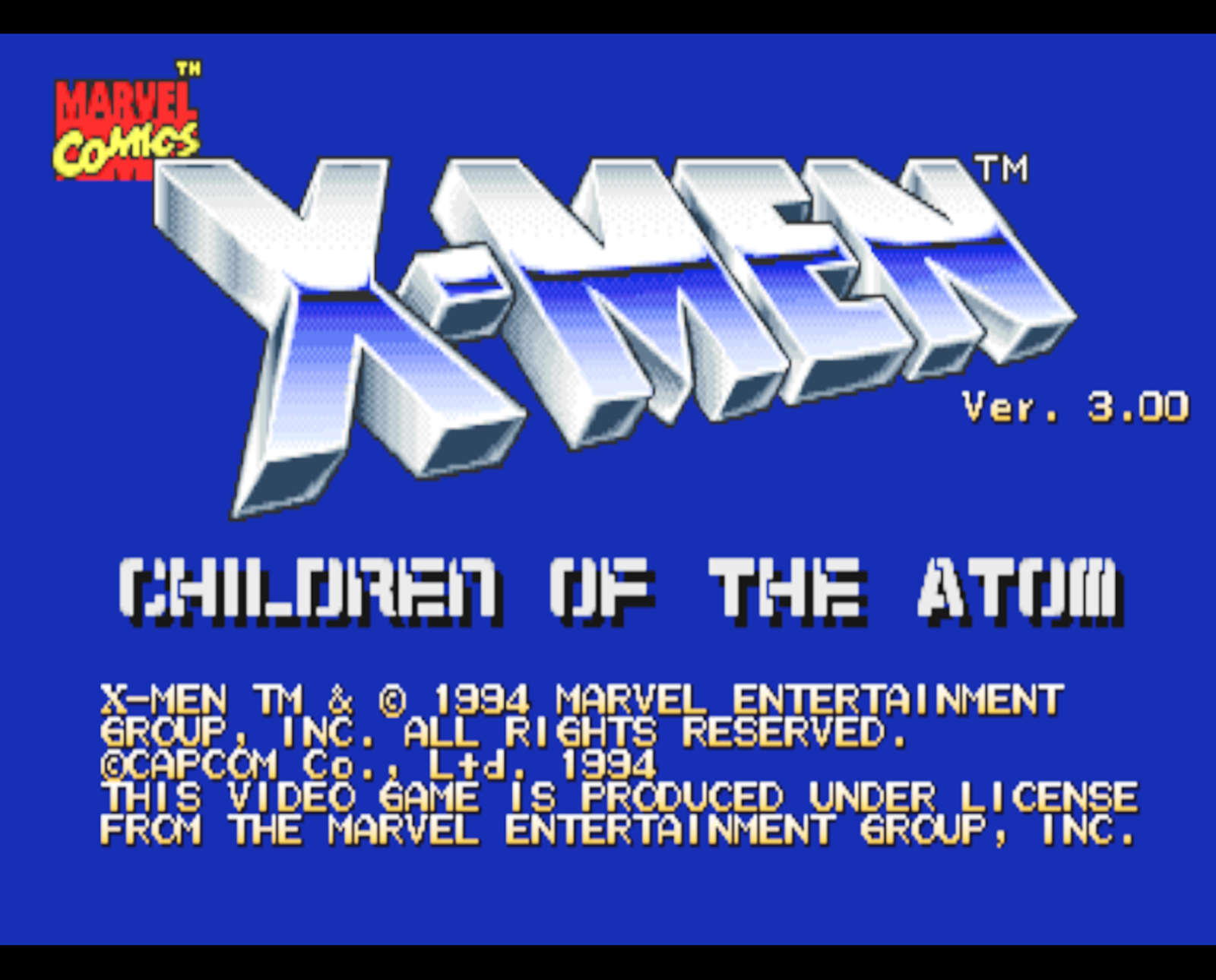
If you’re an old head video gamer like us here at Gaming Insurrection, you know that Capcom and Marvel was THE powerhouse couple in video games during the 1990s. Starting in 1993 with The Punisher arcade game, Marvel and Capcom established the foundation of the modern comic book and anime fighting game scene. During the ’90s I stumbled across a game that helped build the path to Capcom’s and Marvel’s glory: X‑Men: Children of the Atom.
Based on the 1993 X‑Men Fatal Attractions storyline, Magneto, with the help of the X‑Men’s most formidable foes, plans to launch an electromagnetic pulse on the Earth, causing disruption to its magnetic fields, leaving humanity in a Dark Age. With Earth’s future in the balance, the X‑Men must battle once more.
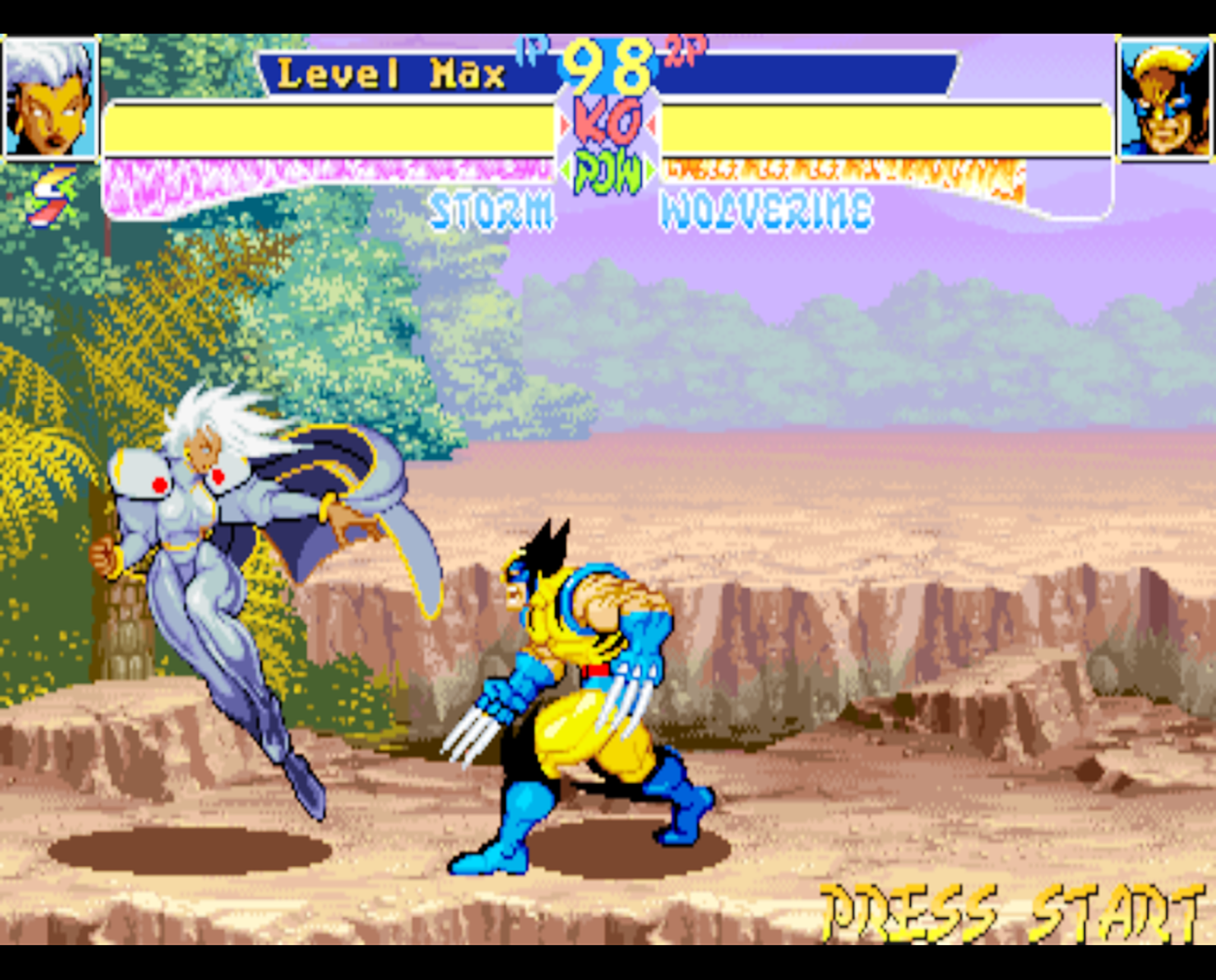
COTA’s graphics are crisp and clear thanks to Capcom’s CPS‑2 board, which is revered in developing fighting games for arcade cabinets. I felt with the CPS‑2 board, it was easy for me to know which character I was using and who was the opponent. The backgrounds had plenty of color that was balanced instead of placed haphazardly, and sprites were nicely drawn and beautiful to look at. The music is excellent, fitting in with the classic Capcom aesthetic and creating a nice vibe for fighting.
My dislikes of COTA are few but can be frustrating. Capcom, while known for having innovative fighting game controls, needed to refine COTA’s control scheme. It’s hard to get invested as a newcomer. The automatic blocking, while seen as helpful, can be dangerous and unhelpful to newcomers also. And, the biggest mystery I had was why Capcom was aggressively pushing a Street Fighter character into a X‑Men game, forcing me to believe Akuma is an official part of X‑Men lore? Capcom could have let Akuma sit this one out, even if he had just been in Super Street Fighter II Turbo. There were more Street Fighter games coming, obviously.
X‑Men: Children of the Atom has contributed to the established partnership between companies with legendary properties beloved the world over. While the future of Marvel and Capcom is uncertain, it’s safe to say that from this union, fighting game and comic book fans ate well in these ’90s fighting streets.
Superheroes have super start in Marvel Super Heroes
Editor’s note: This review originally appeared in Issue 11 (3Q2010). It has been edited for spelling, grammar and clarity.
By Jamie Mosley, former associate editor Gaming Insurrection
By now, everyone reading this should know about Capcom’s 2D fighters. Capcom likes to keep certain standards for their famous fighting titles that carry over from one fighter to the next. There will be colorful supers, tight-yet-familiar controls and fast paced action. Marvel Super Heroes is no exception to this.
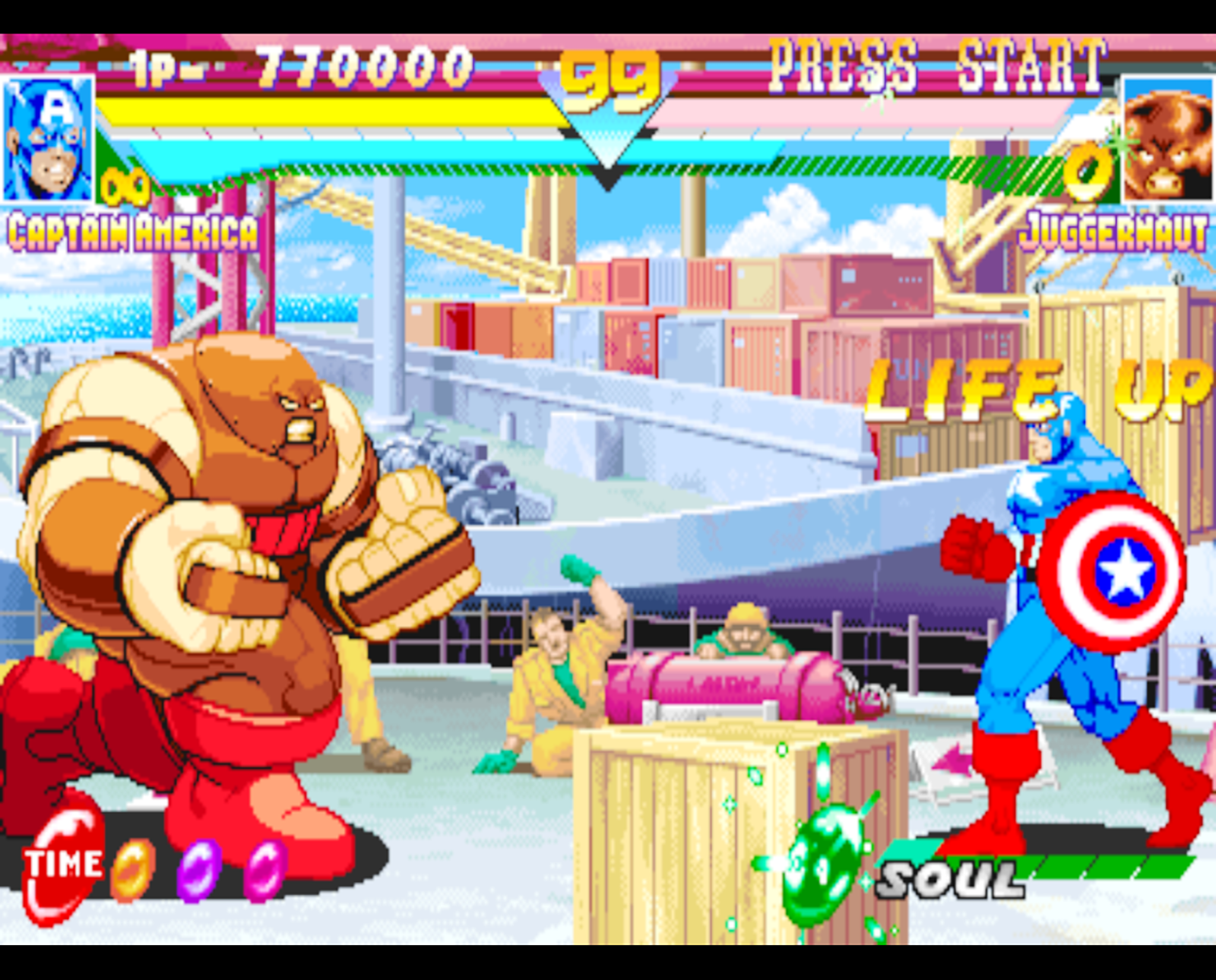
Following the still-popular X‑Men: Children of the Atom in art style and gameplay, Capcom has allowed opportunities to pummel your opponents to continue by launching them in the air for that superhero-type feel. Some of Marvel’s famous heroes and villains appear so you, the true believers, can give swift justice over your foes. Use Captain America, Spider-Man, Iron Man, Juggernaut and Magneto to fight your way to Thanos. While on your way, be sure to pick up and use the Infinity Gems you find. You may need them.
The controls and gameplay are what I consider classic for any 2D Street Fighter. The main difference in this game comes from Infinity Gems. Each gem has the potential to unlock special abilities for a hero. For example, if Magneto uses the Space Gem, he produces a force field and he will not take damage for a limited time. In each match, the AI opponent will have a gem with them. You must kick, punch or stare hard at them to take it.
Not all is perfect in this entry. The music in the game doesn’t stand out but the upbeat tempo of each stage helps you stay in the action. Also, the game may slow to a crawl depending on the gem effects if both characters are using them at the same time. Sometimes the game is so slow that a full second will go by before your character reacts to your button commands. But this slowdown is rare.
I still enjoy this game. Despite the game’s occasional problems, I remember my friend Ted King and I going to the local department store in my hometown and playing it for hours. Once it was released for home consoles, we played it even more. The zany combos that one can do are almost limitless. In some skilled player’s hands, they are limitless because of infinite combos that nearly every character had. That’s another standard that Capcom kept with their fighters.
Marvel Super Heroes paved the way for the famous Versus series of which Capcom is very proud. And they should be proud. With games like Marvel vs. Street Fighter, the Marvel vs. Capcom series and the Capcom vs. SNK entries, few other companies have been successful in creating a more popular series that millions enjoy to date. And now with the announcement of Marvel vs. Capcom 3, I’m going to play them all until it is released.
If you want a fighter that you can pick up and play with little knowledge about Street Fighter, Marvel Super Heroes is it. If you want to make creative combos, look no further. This is good, classic fun made for comic book fans around the world to enjoy.
2UP evaluation
By Lyndsey Beatty
The Versus series has come a long way since the heroes and villains of Marvel Super Heroes gathered in 1996 for this slugfest. The graphics may have evolved, and the Marvel license reverted several times, but one thing remains the same: Fighting with superheroes of the Marvel ilk is fun.
Marvel Super Heroes neatly upgraded the experience of X‑Men: Children of the Atom. With a more accessible combo system and better play feel, Marvel Super Heroes is almost a dream to play, even by modern standards. There are still problems, though, such as touch-of-death combos for everyone and a limited roster immediately made obsolete by successive games. But Marvel Super Heroes is still playable, and there’s still a scene in 2026, so Capcom got something right.
X marks the spot with fantastic third entry in Versus series
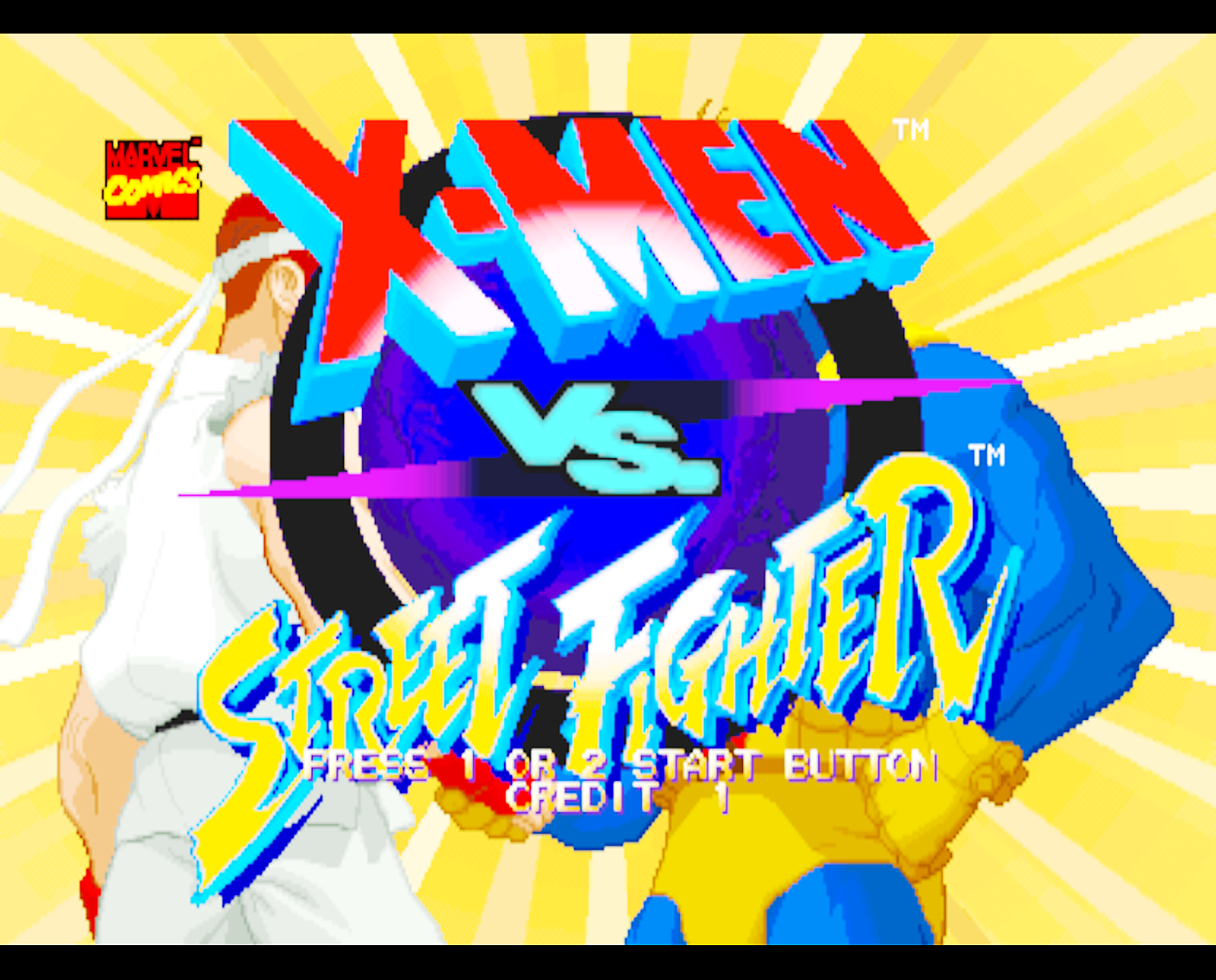
Are you ready, True Believers? In keeping pace with this issue’s tribute to Marvel vs. Capcom, I’m introducing another game that helped make this series renowned by comic book aficionados and fighting games fans alike. Yep, you bet your excelsior prayers, this is X‑Men vs. Street Fighter.
X‑Men vs. Street Fighter take place two years after the release of X‑Men: Children of the Atom and Marvel Super Heroes. The backstory is a legendary X‑Men villain, Apocalypse, appears stating that Earth’s survival depends on only the strongest being able to survive. Little does Apocalypse know, M. Bison and Shadaloo as well as Magneto and the Brotherhood of Mutants have their own plans for Earth. The X‑Men along with various Street Fighters hear this and now a battle with high stakes for Earth begins with unlikely teams battling against Apocalypse.
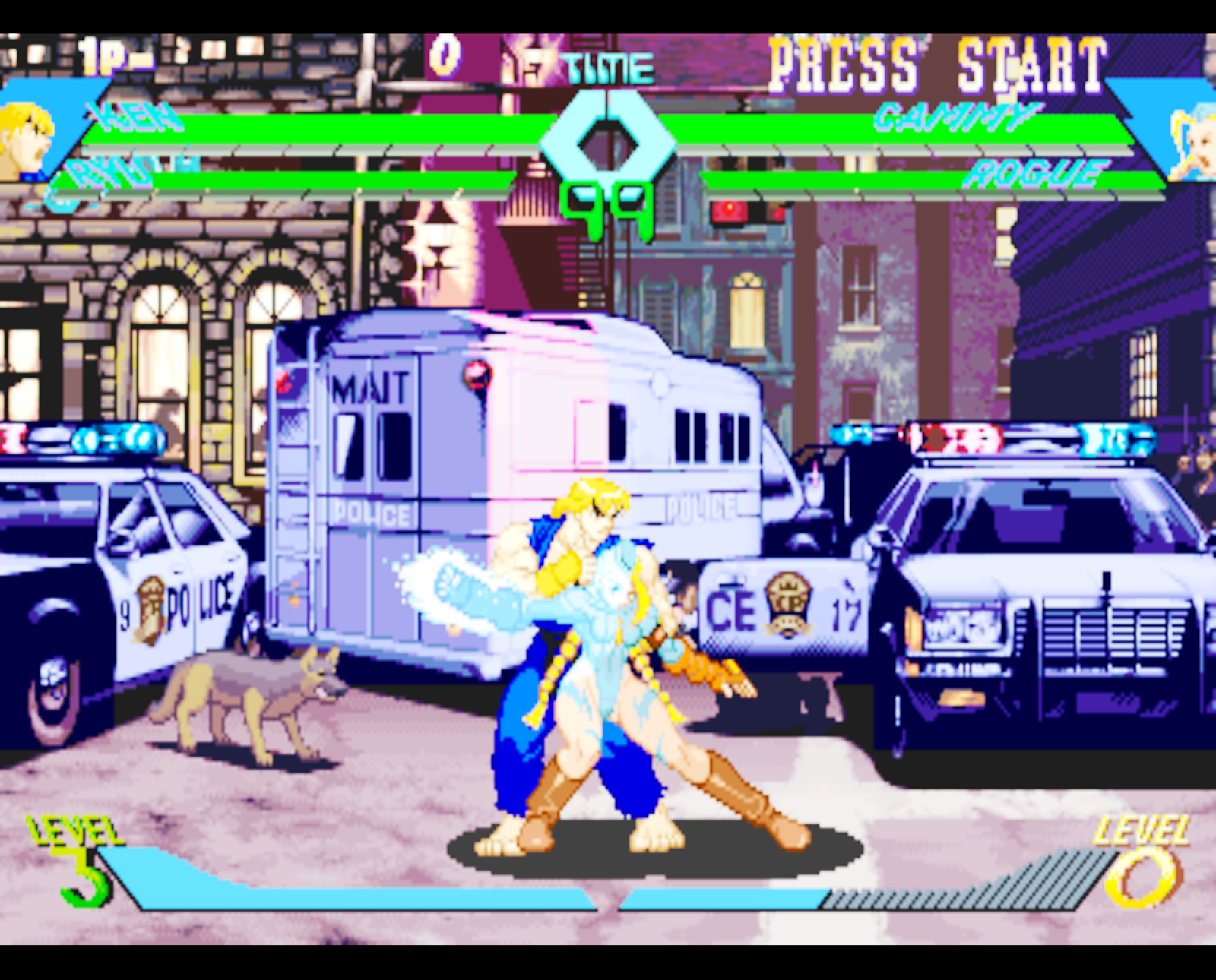
The controls are the usual set up in any Capcom fighting game, only this time you have control of two characters that can consist of any X‑Men or Street Fighter character. I enjoyed the ability to mix an X‑Men and a Street Fighter character together as a team. X‑Men vs. SF also features the super jump and aerial rave from COTA but introduces three features: the Hyper Combo Gauge, which allows for super moves; the Variable Combination, which allows both characters to execute their Hyper Combos; and, the Variable Counter allows you to pull off an offensive attack from a defensive block simply by tagging your offscreen partner. These new moves and features greatly increase the playability from the previous games and make X‑Men vs. Street Fighter a better playing game.
The graphics and presentation are like COTA and MSH, bearing striking resemblance in arcade quality. I enjoyed the scenery and bright backgrounds that took out guesswork of my point character and the visual theme of each stage. The music is energetic and on point thanks to Capcom’s sound team working their awesome wizardry.
While it’s fun to play, I do have some gripes. While I enjoyed the overall gameplay, I didn’t like the heavy reliance on touch-of-death combos and infinites. Also, while the music was enjoyable, the reuse of Street Fighter’s character themes was kind of boring and lazy. Yes, I realize they wanted to use something that is easily recognizable but sometimes I think they rely on it too much and it’s obvious here. My last gripe is Akuma. Don’t get me wrong, I’m not hating on the OG, but come on Capcom, Akuma is pushed on every early Marvel Versus game like he’s a main player in the MCU. That’s overkill and too much use of the Red Demon will force paying clientele to think about spending money on future games where he is running amok. Moderation, Capcom. Moderation, please.
X‑Men vs. Street Fighter is enjoyable and helped establish the trend of comic books meeting fighting games. As Marvel and Capcom were the pioneers, other comic book companies and game developers followed suit, making it normal for the gaming industry. This is a good origin story for the Versus series.
Miss Marvel: Apocalypse retread should be skipped
Extraneous. Superfluous. Unnecessary. Fighting game sequels should be doing something to move the needle, whether it be new systems or characters to break up the retread. Retro fighting games especially had to bring something new with every entry lest they be left behind in a market where consumer choice is king. Marvel vs. Street Fighter did absolutely nothing new and it shows in the modern fighting game scene.
Marvel vs. Street Fighter is the sibling of the Versus series that is the forgotten child. Using basically the same story as direct predecessor X‑Men vs. Street Fighter, MvSF introduces one mechanic (Variable Assist — calling your partner to assist) and swaps some characters. The boss, Apocalypse, is a retread from the previous game. That’s about it. It plays the same as X‑Men vs. Street Fighter and generally fairs less favorably by comparison because of the character swaps and the unnecessary inclusion of comedian Noritake Kinashi’s joke character Norimaro and Cyber Akuma.
And while it leans heavily on XvSF, the game doesn’t play nearly as well. It feels slower and more plodding, just a chore to do much of anything. Assists don’t really add anything to the gameplay flow and generally can get tagged as soon as they come out. And you can’t choose what move the assist does, something that didn’t come into play until Marvel vs. Capcom 2. That lack of advancement feels lazy. It feels like Capcom put out a game to check boxes and fulfill a contract. And it shows in the modern fighting game tournament scene where XvSF still enjoys a healthy engagement, but no one plays MvSF.
One area where it does do well is the sound department, though there are a few recycled tracks here, too. The soundtrack carries the game and has some bangers that work for the atmosphere of MvSF, but you’ve probably already heard them (Editor’s note: See this issue’s Beat.Trip.Game for our soundtrack choices).
If you’re playing Marvel vs. Street Fighter, know that you’re getting warmed over Versus series. It’s not terrible but it’s not the best that Capcom is capable of when it comes to the Versus series. Skip this one and jump straight from X‑Men vs. Street Fighter to Marvel vs. Capcom.
I have a polarizing relationship with Marvel vs. Capcom 2. While it’s revered as one of the greatest games of all time, and I spent a lot of time playing it, I don’t love it as much as I once did. There are reasons for my transactional love for the Capcom stalwart, and there are reasons why it’s taken this long for Gaming Insurrection to engage.
Marvel vs. Capcom 2 rounds up everyone who was present in the Versus universe, adds a few new faces and throws them together to create a mashup of epic proportions. Veterans such as Magneto, Dr. Doom, M. Bison, Ryu and Chun-Li join newcomers such as Ruby Heart, Cable and Amingo. The ragtag motley crew join forces to take on new villain Abyss, whose main goal is world domination through decay. The story is engaging enough to justify the colliding of the respective universes but not too deep to justify any sort of lore research.
The mashup, however, is what is most important. The melding of realms and reunion of the previous games’ roster brings together 56 characters to make three-character teams. The overpowered gods of previous outings return to set up shop in the upper echelon of the game’s tiers, and the joke characters and non-essentials also return for the ride.
All of this is wrapped up in a futuristic serious-looking bow, complete with a serious announcer that lacks comic book trappings. The backgrounds are modeled well and are an impressive leap from the previous hand-drawn entries. The soundtrack is also OK. I’m not one of the legions that apparently hated the soundtrack back in the day, and it’s fine now. The smooth jazz has always fit the action, and I never saw what the problem was with it. Jazz has always been a part of the Versus series experience, and it didn’t seem different this time around than any of the other games in the series. I’ve always felt the response to the soundtrack was overblown and silly. Focus on the more important things that are wrong with the game.
And here’s where I want to put that focus and explore why it’s the source of my ire and apathy with MvC2. For a game that touts 56 characters, in hindsight, only 10 are viable tournament options. Yes, tournaments have been played with the low tier characters, but historically, the major tournaments of the day have always featured teams that have the Marvel 2 gods involved. You’re going to see a Cable, Storm, Sentinel, Magneto or Iron Man in the top 3. You’re going to see the same assists anchoring those teams as well. That’s a problem. With that many characters available, the same handful of names should not be dominating. There should be variety. This has been a problem in the Marvel 2 tournament scene since the first six months post release when everyone figured out the initial tech and realized Tiger Knee Hyper Viper Beam and Fly/Un-fly combos were the way to victory. And, yes, I realize it’s been 25 years since the game was released, new tech still pops up that makes characters look better than they ever did, and ambassadors such as Justin Wong use different teams to highlight this disparity. But it was a massive problem back in the day and ruined the experience for me going forward.
Marvel vs. Capcom 2 gets nearly everything right: Evolved gameplay with assists, cleaner visuals and a gigantic roster with familiar faces and cool additions. However, that nearly is what breaks the game for me. I can’t reconcile my nostalgia for the game and the time spent traveling, meeting new people, the gift of Ruby Heart and loving the Versus series with the absolute foolishness that is the gameplay. This is the point of the Versus ride where I get off.
Editor’s note: This review originally appeared in Issue 24 (4Q2013). It has been edited for spelling, grammar and clarity.
I usually have a genuine problem with Capcom’s release policy for its fighting games. Generally, I know to expect a revision edition later down the line that adds maybe a few characters and few new backgrounds. Marvel vs. Capcom 3 was no different. I knew what was coming and, sure enough, Capcom played its hand with Ultimate. Curiously, this is a decent play, though like all Capcom releases, it should have come right at the beginning.
Ultimate picks up the slack where vanilla left off. You’re still saving the Earth from Galactus and the basic look of the game is still the same. Except, there’s a few new bells and whistles thrown in for good measure. The new intro throws a fresh coat of paint on the proceedings. The intro is gorgeous, with a freeze-frame look at various battles between Marvel and Capcom characters around the city. There are also a few new backgrounds, though I wish there were more. I particularly loved the new Days of Future Past background with the wanted poster of the X‑Men arc cover re-done with characters’ status from both sides. And, no, Mega Man’s questionable status did not escape my notice.
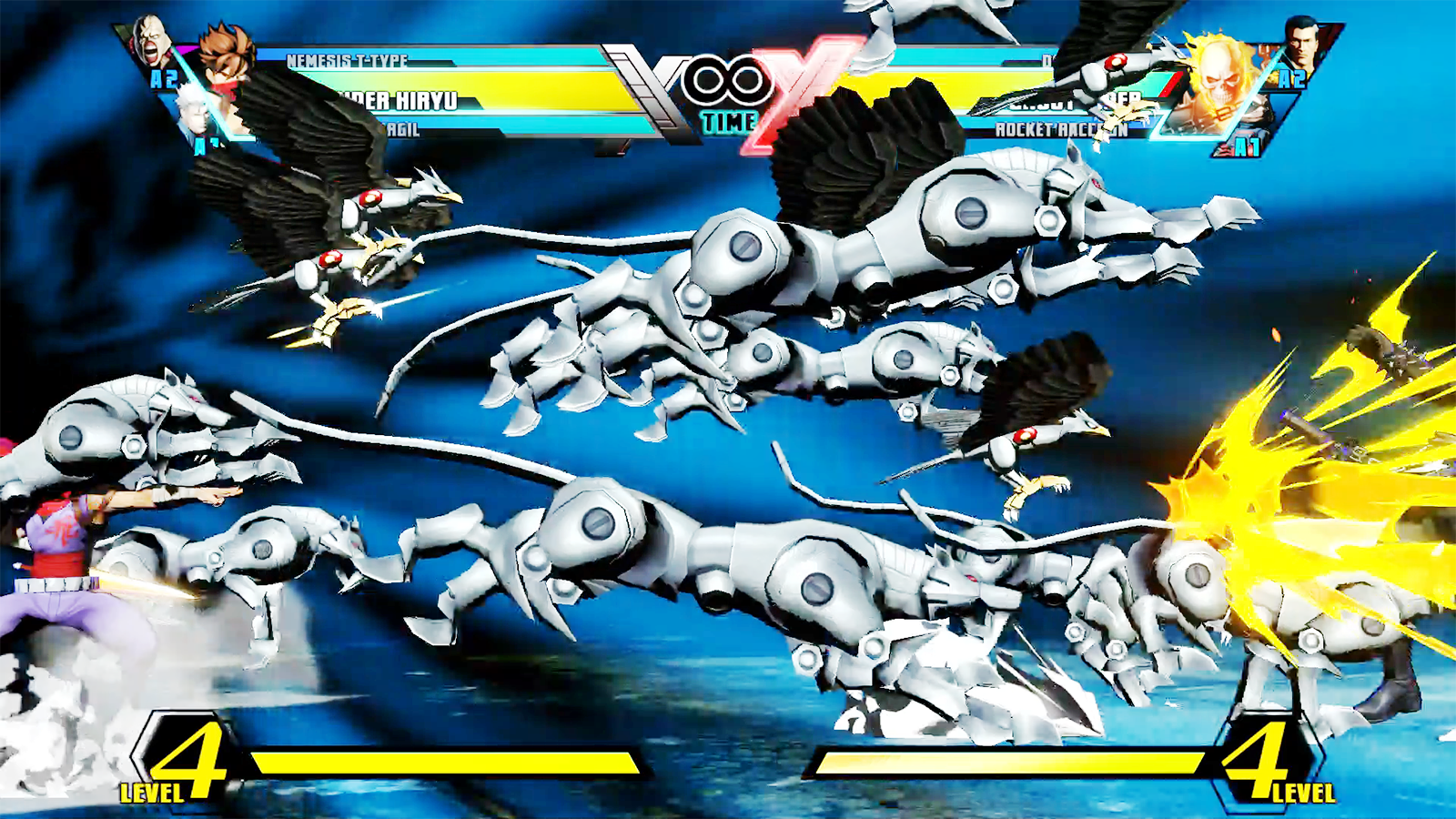
The new characters added to both sides are easily the best reason to pick up the new version. There are 12 new (Phoenix Wright, Firebrand, Frank West, Nemesis T‑Type, Strider Hiryu and Vergil for Capcom; Doctor Strange, Rocket Raccoon, Nova, Iron Fist, Hawkeye and Ghost Rider for Marvel) with the DLC add-ons of Jill Valentine and Shuma-Gorath still available and Galactus made playable through an offline mode. Playing through once more is interesting, just to see how the new characters work within the balance of the game at large. Speaking of balance, new moves have been given to the older characters as well as some tweaks to their movesets and the overall game engine.
Probably the biggest addition aside from the characters is Heroes and Heralds mode. Basically, you choose a faction — Heroes, who will oppose Galactus; or Heralds a la Silver Surfer, who work to soften up the earth for the planet-devouring god — and fight through stages of varying difficulty. As you fight, you acquire ability cards that are used to form a deck. The cards apply special attributes to your team members or to the game itself. It’s a novel and well-executed idea and one that makes sense in the larger scheme of Marvel vs. Capcom. I’m surprised it wasn’t thought of until now, and I’m even more surprised that it’s not in more Capcom games.
Ultimate Marvel vs. Capcom 3 isn’t the freshest idea out of Capcom’s camp, but it has quite a bit going for it to warrant a purchase. While it’s too much content to be DLC only, it’s a shame that full price was charged for it when it was released. Capcom managed to dodge the usual shenanigans it’s known for with Street Fighter, but it cut it close. Thankfully, Ultimate MvC3’s ride is an entertaining one to take.
Marvel vs. Capcom now infinitely frustrating series
The Marvel fighting game scene is well known by now and well worn. Pretty much, anyone who’s anyone in the Marvel comic universe and movies has been in a Marvel Versus game. This is nothing new by now. You’ve seen these people before and, if you’re a Capcom fan, you have seen their side of the roster in other games before you got here. So, what exactly are you getting out of playing the latest iteration in the long-running Marvel Versus Capcom series? Not much, but Capcom already knew that. They just hoped you wouldn’t notice.
If you’re invested in the Marvel Cinematic Universe but don’t know anything about the comics, MvC: Infinite serves as a starting point for understanding the comics side of things in preparation for Avengers Endgame. Oh, yeah, there’s some Capcom story set up, too, as an afterthought. Really, this is several stories mashed together: From Marvel, you get the Infinity Saga and Age of Ultron story; from Capcom comes Sigma and Mega Man X’s story and some of Vampire Savior/Darkstalker’s 3 arc dealing with Jedah Dohma. The story kind of makes sense in a mashed-up way. It’s not half bad, given that the previous efforts of Marvel vs. Capcom 3 to give a cinematic team up was decent and miles ahead of any other title in the series to date. Mostly, the Marvel Versus series has followed an established comic book arc — Marvel vs. Street Fighter was mostly Apocalypse and the first Marvel vs. Capcom focused on Onslaught — and this is no different. Where it falters is oversimplification.
The Infinity Saga is never truly finished in the comics because Marvel constantly returns to it over the years to explain a lot of things. Also, thinking critically about what this is really based on, the story of the Infinity Saga really took about 18 of the 22 MCU movies to tell its story. You cannot tell this story in two games — Marvel Super Heroes being the first to tell this arc. Infinite tries to and winds up half accomplishing it with some weird, forced Capcom story side foolishness thrown in for good measure, because hey, Capcom is also in the name.
You get the sense that if Capcom’s angle of things was removed, this would be just fine, and Infinite would be OK without it. That does not help Capcom at all here. Immediately, it destroys the need for a new team-up game and renders Capcom’s side of the roster unnecessary. I do not feel Ryu or Chun Li are useful in any of the situations presented in the story mode.
The roster is actually not bad, but with the few new additions locked behind a DLC paywall, you’re kind of left to wonder would Infinite be just a tad bit better if the more noteworthy characters were available from the start. The base group is basically a retread roster from MvC3, and the new additions should have been in the series; the fact that we’re just now getting Black Widow, Black Panther, Jedah and the Winter Soldier is a crime that only Capcom seems to like committing.
In addition to the generic oversimplification of the story, the presentation is just as generic and bland. The Marvel Versus series has always had strong presentation, and to be frank, this ain’t it, as the kids say these days. The backgrounds are good, but some of the character designs have an oof level the size of Ultron Sigma’s final form. They are, quite frankly, terrible a lot of the time. There seems to be an attempt at realism but not, at the same time, because some of the Marvel characters look like their MCU counterparts, but then when you look closer, there’s a detail that keeps them from looking exactly like the actor or actress that plays the character.
For example, look at Captain America and Captain Marvel. Captain America, from far away, looks exactly like MCU Winter Soldier-era Captain America as portrayed by real-world Captain America stalwart Chris Evans. Up close, however, Cap looks just enough different for you to realize that Evans probably didn’t consent to his likeness for the game. Same for Captain Marvel and actress Brie Larson. It’s a small but noticeable quibble I have here. And, some of these Capcom characters look atrocious. Ryu’s face on the title screen is horrific. The sprites look terrible here but in game, he looks fine. It’s a shame because every other game in the series has been OK in terms of the graphics. Sure, they weren’t award-winning, but they reflected the series’ growth. Infinite looks like it took about 10 steps back in a lot of respects.
The music is just as bland. Each iteration of the Versus series has had some bangers on the soundtrack — even the much-maligned Marvel vs. Capcom 2’s soundtrack was memorable if not catchy. Here, there is absolutely nothing noteworthy. It’s the first Versus game where I don’t have something from the soundtrack saved, which is not good at all. As I played through the story mode, I kept waiting for something to jump out at me, and I got nothing. I was not impressed.
The controls didn’t impress, either. There has been a noted trend, since MvC3 was released, to simplify the game system for the Versus games to make them more accessible.
While I’m always a fan of drawing in the casual fan for these types of games, I’m not a fan of ruining a good thing. MvC2 was still accessible to even the most casual fighting game player, and this is even worse than the toning down of the controls between MvC2 and MvC3. There is no depth to the combo system now, and that doesn’t help Infinite in any way.
I’m underwhelmed when it comes to Marvel vs. Capcom Infinite. Nothing plays in its favor, nothing makes any sense, and the team-up crossover event is showing its age in every facet of the game. There’s nothing new here to make me say wow or push me to play as I did the other games in the series. If Capcom were to lose the Marvel license again, it wouldn’t be a shocker or unwarranted.
It’s time to admit that the series is not an infinite source of amusement. Unfortunately, at this point, it’s merely a finite source of fighting game goodness.


 What I appreciate the most is the obvious care and attention to detail with MvC. MvSF is unmitigated laziness while MvC got serious again about the legacy of the series. The roster for main characters and assists feels thoughtful, the presentation is fun and engaging and the gameplay still holds up well. It might not be played as much as its direct sequel in Marvel vs. Capcom 2, but I still find myself returning to pull off Duo Team Attacks frequently. MvC is the most marvelous of the series.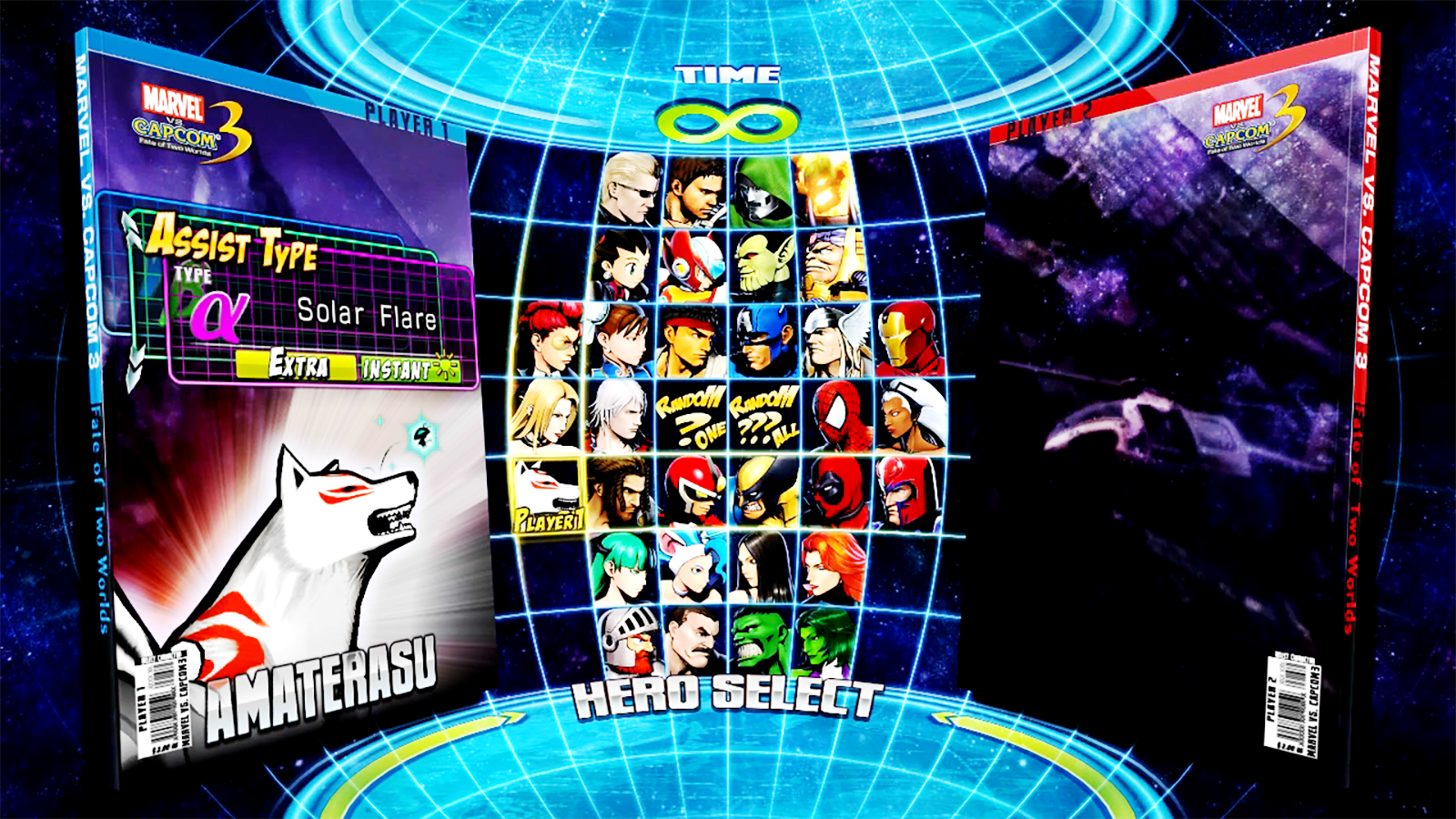
 Playing online certainly boosts the replay factor considerably, and it definitely helps that the online is mostly lag-free. I experienced some while playing over Xbox Live, but the overall experience was fantastic. The ranking system implemented in the game echoes Call of Duty, and even though ranking up in the game is meaningless, it’s still strangely addicting. The online component also ensures that you’ll always have someone to play with, even when your friends aren’t around. Unfortunately, MvC3’s online multiplayer isn’t set up well at all. Just finding a ranked match can be difficult. The second day of playing the game, it became nearly impossible for me to get into a match.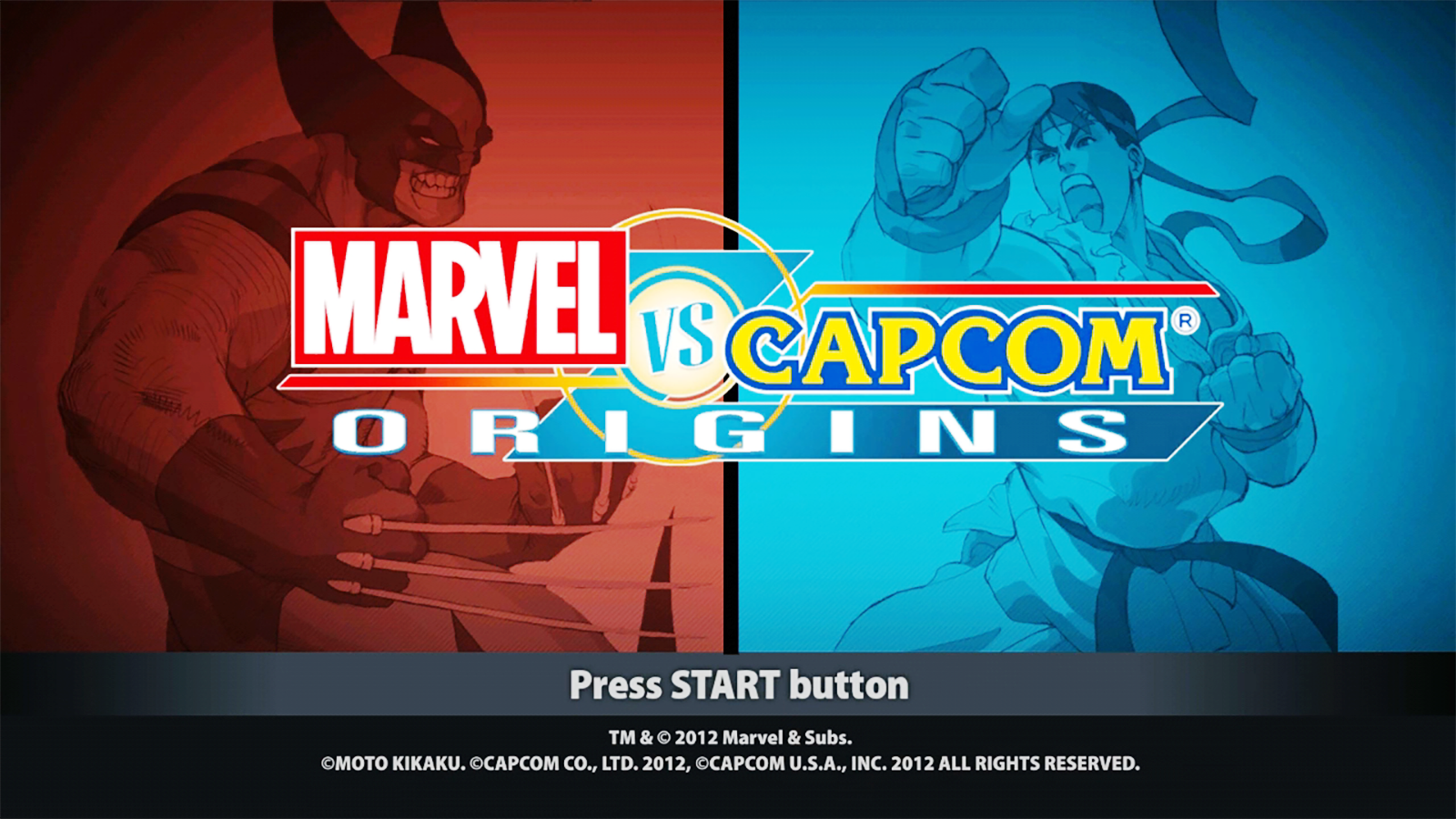

 My dislikes of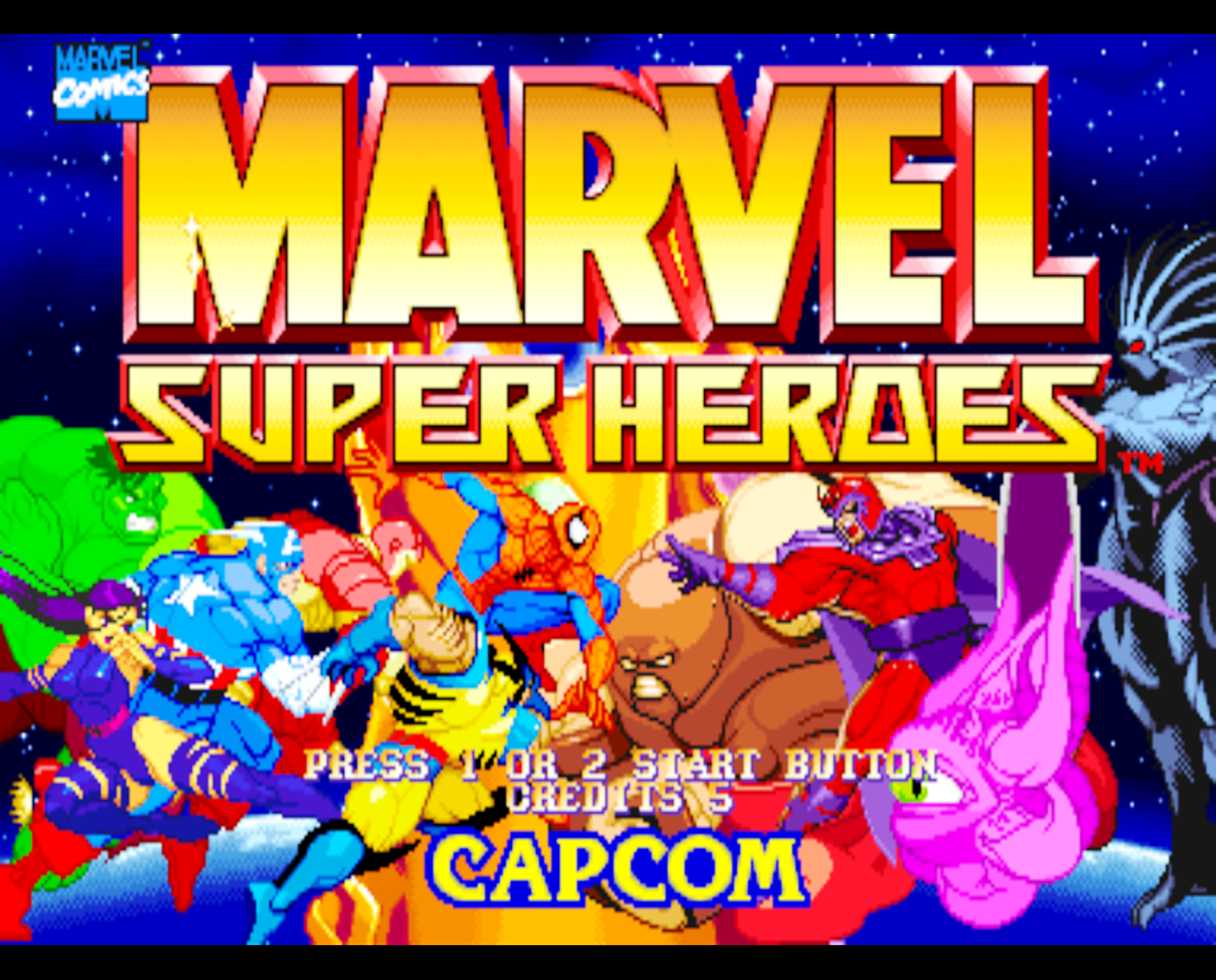

 anything to the gameplay flow and generally can get tagged as soon as they come out. And you can’t choose what move the assist does, something that didn’t come into play until Marvel vs. Capcom 2. That lack of advancement feels lazy. It feels like Capcom put out a game to check boxes and fulfill a contract. And it shows in the modern fighting game tournament scene where XvSF still enjoys a healthy engagement, but no one plays MvSF.

 Marvel vs. Capcom 2 gets nearly everything right: Evolved gameplay with assists, cleaner visuals and a gigantic roster with familiar faces and cool additions. However, that nearly is what breaks the game for me. I can’t reconcile my nostalgia for the game and the time spent traveling, meeting new people, the gift of Ruby Heart and loving the Versus series with the absolute foolishness that is the gameplay. This is the point of the Versus ride where I get off.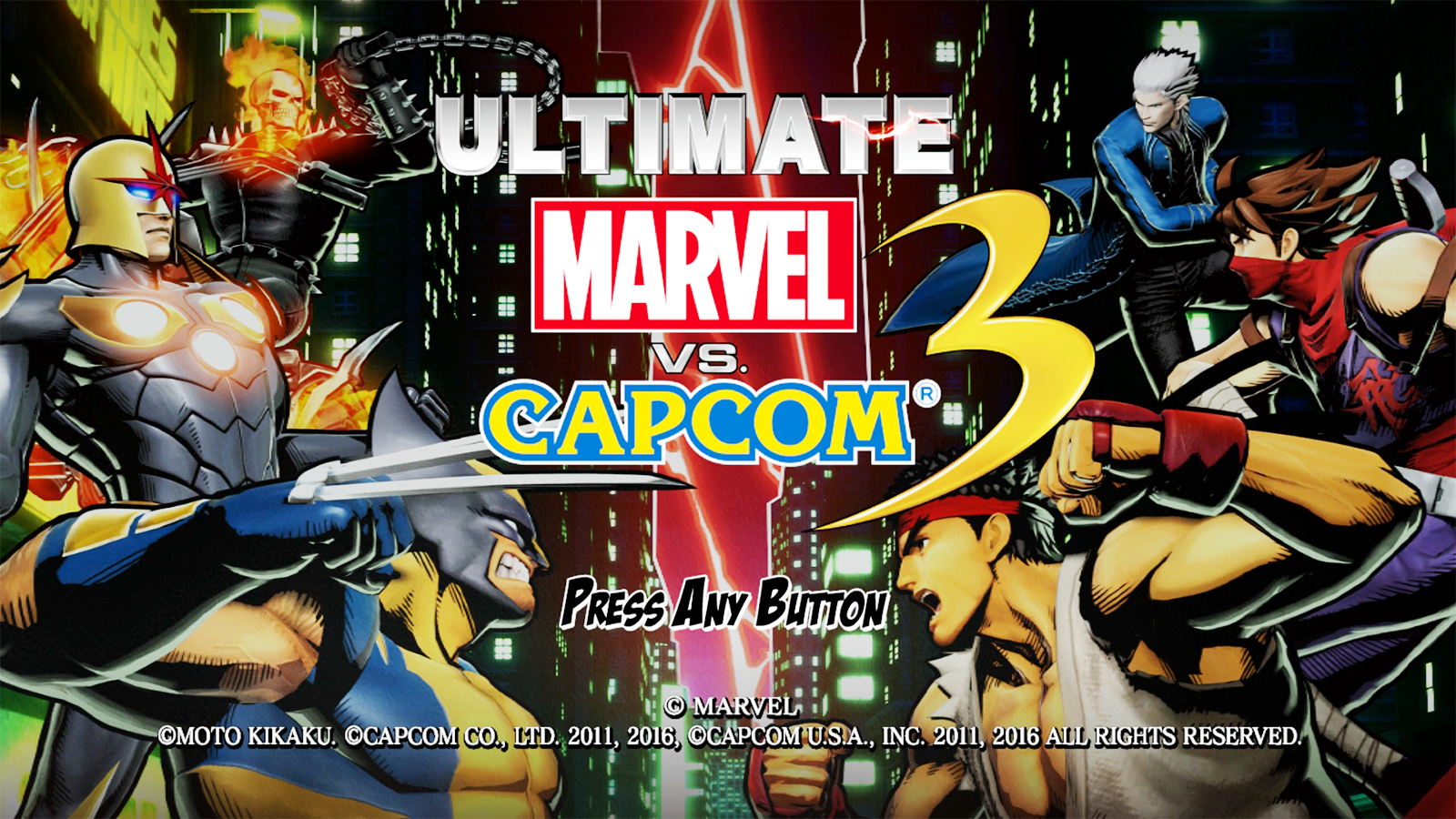
 Ultimate Marvel vs. Capcom 3 isn’t the freshest idea out of Capcom’s camp, but it has quite a bit going for it to warrant a purchase. While it’s too much content to be
 anyone who’s anyone in the Marvel comic universe and movies has been in a Marvel Versus game. This is nothing new by now. You’ve seen these people before and, if you’re a Capcom fan, you have seen their side of the roster in other games before you got here. So, what exactly are you getting out of playing the latest iteration in the long-running Marvel Versus Capcom series? Not much, but Capcom already knew that. They just hoped you wouldn’t notice.
 You get the sense that if Capcom’s angle of things was removed, this would be just fine, and Infinite would be