Bust-A-Move 2 — Issue 47

Bub­ble Bob­ble Part Deux

Bust-A-Move gets down again in sequel

Long ago, bub­ble pop­ping took hold of my inter­est, right about the time I start­ed get­ting hair on my chest and some sense acquired when it came to good qual­i­ty video games. And would­n’t you know it, my late great mama — the dear­ly depart­ed GI Mama — also divined that she was a fan of the bub­ble-pop­ping non­sense that I’d brought home for my Super Nin­ten­do. Alas, my tastes had to grow so we looked for more bub­ble-pop­ping non­sense and found there was a sequel or two to the mad­ness. What apro­pos popped up was Bust-A-Move 2.

Now, let’s not get it twist­ed: This is the same old Bust-A-Move you’re used to play­ing if bust­ing bub­bles is your thing. Noth­ing is dras­ti­cal­ly dif­fer­ent than the for­mu­la estab­lished in the orig­i­nal game: You pop clus­ters of like-col­ored bub­bles in an effort to clear estab­lished puz­zles. This basic premise was set up in the first game for the SNES and it has­n’t changed, no mat­ter the iter­a­tion. But what has changed some­what is the pre­sen­ta­tion. In this ver­sion, there is an illu­mi­nat­ed map puz­zle path that your char­ac­ter can choose, and deci­sions have to be made to get to the end puz­zle. The deci­sion to include a vis­i­ble path struc­ture is a nice step for­ward, but still needs some pay­off to be a gamechanger. 

Slight­ly dif­fer­ent yet famil­iar are the graph­ics. Bust-A-Move 2 has­n’t real­ly changed all that much in the looks depart­ment. There are some new graph­ics for the back­grounds dur­ing puz­zles, the char­ac­ters are more defined and the bub­bles them­selves are more crisp and deep­er hued to pop but that’s about it. It looks OK for an N64 puz­zle game, but there are oth­ers out there doing a lot more with the same con­sole resources, such as Mag­i­cal Tetris Challenge.

The sound­track is a lit­tle more bub­bly than the orig­i­nal but has a lit­tle less charm than the first game. The songs are slight­ly catchy, but not near­ly as mem­o­rable as the first game’s 16-bit organ-inspired schtick. How­ev­er, what you’ll real­ly notice that’s dif­fer­ent is the addi­tion of voic­es. Now, your char­ac­ter and the oppo­nents make a lit­tle noise when they achieve a com­bo. It’s cute, even with the shrill squawk­ing that shows up in the menu.

But let’s be hon­est, what you came here for was to learn if the puz­zle game­play is up to the stan­dard estab­lished by the first game. Yes, it is, and here’s why: Not much changed. No crazy weird mechan­ics shoe­horned in, no mis­steps in how the bub­bles bank or strange con­cepts cob­bled togeth­er (aside from the sticky plat­forms that inex­plic­a­bly start show­ing up halfway through the sto­ry mode) make appear­ances here. You can be rest assured that it’s the Bust-A-Move that we all know and love.

My beloved late GI Mama once declared Bust-A-Move a cheat­ing game while I was mol­ly whop­ping her in a ver­sus mode run. She said she’d see me in the sequel. Well, the sequel here is just enough jus­ti­fi­ca­tion to wait for that rematch in heav­en when my time comes. It’s noth­ing new but then again, some­times stick­ing with the estab­lish­ment is the best idea when it comes to bub­bles part deux.

Devil May Cry 2 — Issue 47

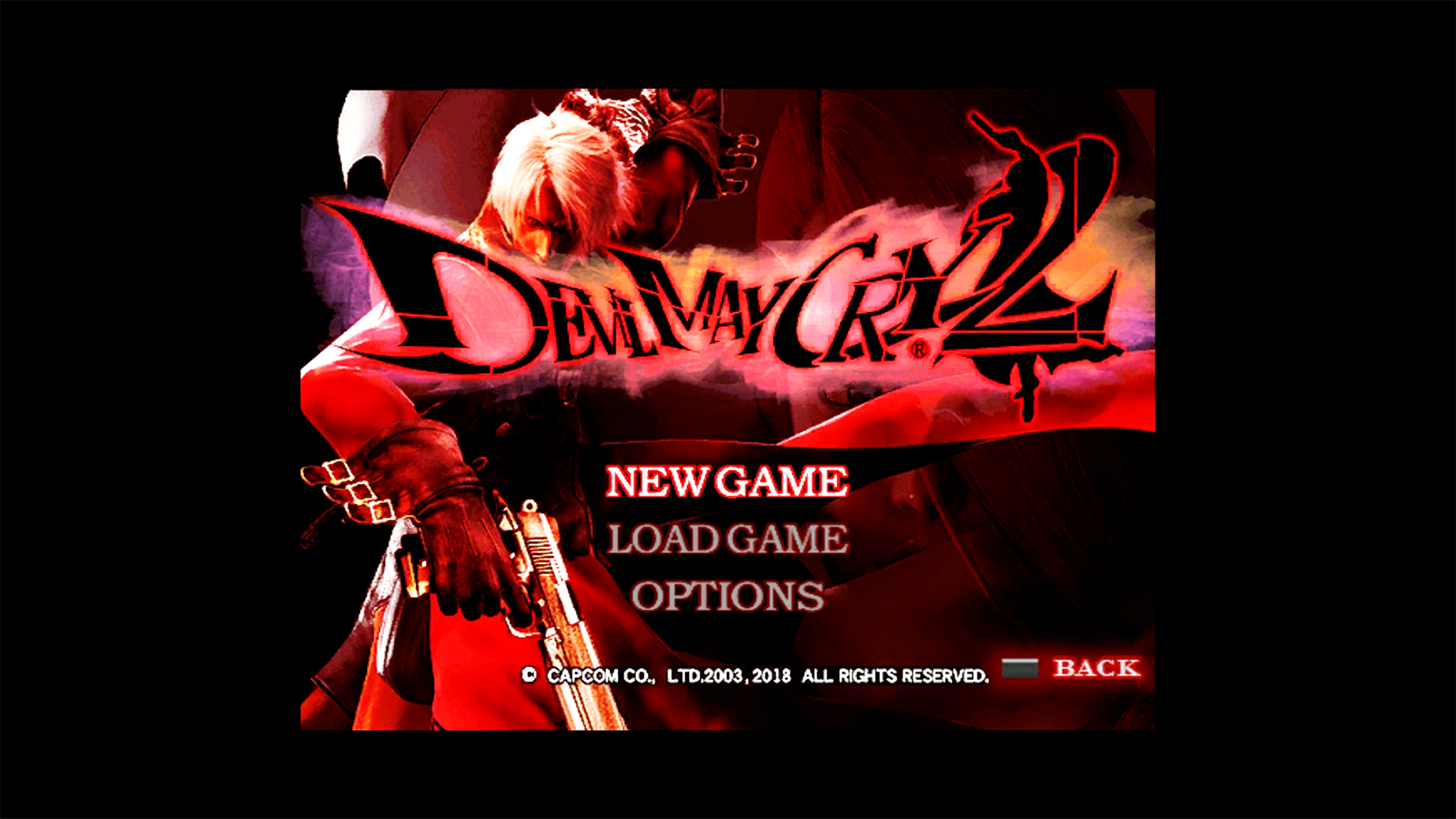
You may cry over this dis­ap­point­ing sequel


Dante, Dante, Dante. Cap­com’s res­i­dent demon hunter/investigator has con­tributed great­ly to the com­pa­ny’s for­tunes. From var­i­ous mer­chan­dise and endorse­ment deals to a Net­flix series due lat­er this year, Dante is liv­ing large. How­ev­er, there are games in the Dev­il May Cry series that almost destroyed his ris­ing star. Dev­il May Cry 2 is one of those games.

In Dev­il May Cry 2, Dante and a new com­pan­ion, Lucia, join forces to bat­tle demons led by an inter­na­tion­al busi­ness­man named Arius whose com­pa­ny called Uroboros estab­lish­es itself on the island of Vie de Mar­li. Arius’ true goal is to find holy relics called Arcanas so that he can obtain the pow­ers of the ancient demon Argosax. Now locked in a race against time, Dante and Lucia must bat­tle against Argosax and put an end to Arius’ mad­ness before the world is plunged into eter­nal darkness. 

DMC2’s graph­ics and pre­sen­ta­tion had a nice approach instead of the usu­al hap­haz­ard scenery found in most hack-and-slash games. It’s nice that the DMC2 devel­op­ment team took inspi­ra­tion from West­ern Europe and the Mediter­ranean region and com­bined that with var­i­ous ele­ments from Japan­ese, Latin and Greek cul­tures and var­i­ous reli­gious ele­ments. How­ev­er, the parts of the deal­break­er with DMC2 soon appeared with var­i­ous scenes as poor­ly done clay sculptures. 

Fur­ther in the game, the graph­ics became more of a dis­ap­point­ment, despite giv­ing lee­way to the PlaySta­tion 2’s hard­ware capa­bil­i­ties in its ear­ly years. One of the most glar­ing issues involved the cam­era. The in-game cam­era was weird and clunky, zoom­ing in and out odd­ly in under­ground areas. And, it was too rigid when it need­ed to move with Dante. The con­trols were tank-like — Cap­com’s nor­mal stan­dard oper­a­tional pro­ce­dure — but it was more annoy­ing when I was shoot­ing at ene­mies long dis­tance and wast­ing ammo and mobil­i­ty. The tank­ing of Dante is counter to him being agile, which was a major sell­ing point that cat­a­pult­ed him to star­dom. Anoth­er issue was that the in-game store sold var­i­ous skill and weapon upgrades includ­ing health items but were ridicu­lous­ly expen­sive despite me hav­ing the abil­i­ty to gath­er more coins seam­less­ly here than in the orig­i­nal game. That’s a major turnoff because it’s a chore. More work for more expen­sive rewards is not fun.

The music of DMC2 was ser­vice­able; it feels like Cap­com’s renowned music team was told to phone in their work that was at best chop­py but accept­able. That’s a shame because all of it just seems mediocre and not the best that Cap­com could do for a series of DMC’s caliber.

While Cap­com attempt­ed to strike hot with a glob­al smash-hit prop­er­ty, they man­aged to fail because they treat DMC2 like their oth­er crit­i­cal­ly acclaimed series (Mega Man, Rival Schools, the Ver­sus series and Onimusha) not named Street Fight­er: like FLAMING GARBAGE. As a fan of DMC, Mega Man, Onimusha and var­i­ous Cap­com games, I’m incensed that these titles are beloved glob­al­ly, yet Cap­com does very lit­tle or noth­ing to do prop­er pro­mo­tion for them, yet they prof­it HUGELY from them. Unfor­tu­nate­ly, Dante fell vic­tim to the Cap­com curse for which he can­not blame his black sheep broth­er — this time.

Dev­il May Cry 2 should have been the light­ning that struck twice. For­tu­nate­ly for Dante and Co., Cap­com man­age­ment saw the fol­lies of mis­treat­ment of a hot prop­er­ty and applied lessons learned in its future install­ments. As we say in GI HQ, “Know bet­ter, do bet­ter.” Cap­com should have done bet­ter with this sequel because they knew bet­ter. Dante should have been able to keep it styl­ish, but this is a major stum­ble in an oth­er­wise stel­lar jack­pot of a series.

Capcom Fighting Collection — Issue 47

Give this col­lec­tion a fight­ing chance

Cap­com tends to tread a lot of the same ground these days. Whether it’s “get­ting back to their roots” with Street Fight­er’s mod­ern ver­sions or return­ing to the past with a lot of upgrad­ed col­lec­tions, Cap­com sure has a way of remind­ing you that, yes, they made Street Fight­er and a bunch of oth­er fight­ing games. The ques­tion is do we care? Yes and no, if this cur­rent col­lec­tion is to be judged.

I will admit that, despite being a strict Mor­tal Kom­bat old head, I am inclined to speak up about my favorite genre in fight­ing games and how it relates to Cap­com. This col­lec­tion, filled to the brim with noth­ing but Cap­com fight­ers, aims to show that Cap­com had some hits and mem­o­rable prop­er­ties. Fight­ing Col­lec­tion fea­tures 10 entries: Vampire/Darkstalkers 1–3, Vam­pire Hunter 2, Vam­pire Sav­ior 2, Cyber­bots: Full Met­al Mad­ness, WarZard/Red Earth, Hyper Street Fight­er II: The Anniver­sary Edi­tion, Super Gem Fight­er Mini Mix/Pocket Fight­er and Super Puz­zle Fight­er II Tur­bo, with the North Amer­i­can or Japan­ese ver­sions avail­able for play. In all cas­es, these are arcade rom ver­sions gath­ered togeth­er in one spot and you can freely switch between them on free play. Col­lec­tion-wise, this is a top-tier pack­age for those who love fight­ing games made by Cap­com. Main­stream mon­ey mak­er that’s still around today? That’s Hyper Street Fight­er II. Obscure weird fight­er that no one even knows that Cap­com made it? Take your pick from Cyber­bots and WarZard. Cutesy, chibi fight­er that unabashed­ly mocks its mak­er? Puz­zle Fight­er and Pock­et Fight­er have that on lock. Defunct series that should still be a thing, but Cap­com does­n’t pay atten­tion? All of the Vam­pire you can pos­si­bly shake a stick at sat­is­fies that require­ment. There is lit­er­al­ly some­thing for every­one here. But the ques­tion is, do you want it, espe­cial­ly now that you know what’s avail­able here? As ear­li­er, yes and no.

While the pre­sen­ta­tion is top-notch, the actu­al assort­ment of the games involved is a mixed bag. Gen­tle read­ers, I just com­piled and cre­at­ed an entire issue devot­ed to Vam­pire (Edi­tor’s note: That’d be Issue 46. Go down­load it now if you haven’t.) and its inner work­ings and the his­to­ry behind the series. Know­ing that, please explain to me why I have Vam­pire burnout and why I had it before I did that issue because of this col­lec­tion. Cap­com does this song and dance every sin­gle time Vam­pire is whis­pered some­where by some unsus­pect­ing gamer who loves the series and wants to see it once more have its day in the sun. I wrote an entire col­umn in that pre­vi­ous issue dis­cussing the need for a Vam­pire revival — a new game, not an old rehash — and how we were nev­er going to get that because Cap­com does the series dirty constantly. 

Well, would­n’t you know it, Cap­com pulled a skunk out of their hat by includ­ing all of the Vam­pire games here. It’s like they said, “Well, you asked for more Vam­pire. Here, be sat­is­fied that we released all of them final­ly in North Amer­i­ca and shut up.” You know, I’m slight­ly hap­py but I’m more offend­ed than any­thing else. Because, as you should have read by now gen­tle read­er, Cap­com is nev­er going to give us a new Vam­pire game with­out there being some weird­ness attached. And because this col­lec­tion sold “OK,” — not great, just OK — you know we aren’t get­ting a new game. Because it did­n’t set the world on fire in sales does­n’t mean the demand isn’t there. But I digress. Every­thing else in this col­lec­tion has been released in some way, shape or form in either region, so it was­n’t nec­es­sary for their inclu­sion, either. 

What I would have pre­ferred to see are Rival Schools, Project Jus­tice, Star Glad­i­a­tor and Plas­ma Sword. These are defunct Cap­com series that they also like to act like they did­n’t cre­ate. Rival Schools and Project Jus­tice are espe­cial­ly egre­gious because while they’ve been port­ed to PlaySta­tion Net­work, we haven’t got­ten a full, unal­tered port of either game. A mod­ern trans­la­tion of the board game and sim­u­la­tion mode in both games is not that hard, but I digress again because we know we are nev­er get­ting it. It’s a shame because this col­lec­tion as pulled togeth­er in 2022 could have used some bet­ter curation.

While I love Cap­com fight­ing games, I’m OK about this col­lec­tion. It’s nice to have these in a mod­ern pack­age for mod­ern con­soles but I’m not enthused about the behind-the-scenes fool­ish­ness that could have been avoid­ed with bet­ter curat­ing on Cap­com’s part. There are some heavy hit­ters that could have been includ­ed imme­di­ate­ly that would have made it a bet­ter pack­age, and the extras includ­ed could have been bet­ter also. How­ev­er, it’s not a ter­ri­ble pack­age and is infi­nite­ly use­ful and valu­able to the fight­ing game pop­u­la­tion so it’s not a total wash. Cap­com could col­lect bet­ter, though.

Harvest Moon (SNES) — Issue 45

Farm­ing life begins with
SNES sim­u­la­tor classic

Leav­ing every­thing behind and tak­ing up the life of a farmer does­n’t seem to be half bad. Sure, it’s back-break­ing daunt­ing work with a large reser­voir of poten­tial fail­ure. But it’s hon­est work and high­ly sat­is­fy­ing. Or, at least that’s what Har­vest Moon wants you to believe. In a tale as old as video game time, the orig­i­nal farm­ing sim­u­la­tor wants you to live that life and suc­ceed, no mat­ter the cost.
Har­vest Moon’s orig­i­nal entry is the stark­est of all in the series. You, the name­less farmer, are tasked with rebuild­ing the fam­i­ly farm and prop­er­ty. There are ani­mals to raise, crops to nur­ture and sell, and — if you play your cards cor­rect­ly — a fam­i­ly to start. You have rough­ly a year to do this before your par­ents come back and judge your efforts. If you’ve suc­ceed­ed most­ly, you’re in the clear. If not, well, you’ve failed and it’s game over. This is the basis for the series that you see today in Har­vest Moon and Stardew Val­ley, and though most­ly unchanged in basis, it’s sim­ple and effective.
The depth comes in learn­ing the game sys­tem. Crop nur­tur­ing and ani­mal hus­bandry are not easy, but once you’ve got the nuance it’s a whole new world of prof­its. The con­trols are sim­ple to pick up and once you’ve built your­self up sta­mi­na-wise, the fruits of your labor are obvi­ous. There’s some­thing super sat­is­fy­ing about work­ing the land, plant­i­ng crops and car­ing for your ani­mals in a day’s work and then reap­ing the ben­e­fits. There is plan­ning involved also, which adds an extra lay­er of depth. Know­ing how to spend your day wise­ly — whether it be tend­ing to the farm or social­iz­ing in town — is impor­tant, and adds to the over­all experience. 
Part of that expe­ri­ence is the pre­sen­ta­tion, and it’s not bad for a SNES game. Giv­en that this is 16-bit, the sprites are bright and pop with the gor­geous SNES palette. Some areas are a lit­tle too brown but over­all, it’s a pret­ty game. The music is slight­ly monot­o­nous but it’s a lit­tle catchy so it does­n’t nec­es­sar­i­ly grate the way you’d think hear­ing the same tune would for more than 20 min­utes of farm work and socializing.
Because this is the entry point to the mod­ern series, Har­vest Moon has work to do. Time — though not explic­it­ly shown on screen — runs too quick­ly. Also, the start­ing hand­i­cap of low sta­mi­na and mediocre tools is not fun. This does become eas­i­er in lat­er entries, but this frus­trat­ing mechan­ic began here and does not enhance the series in any way. 
Despite some frus­tra­tions with the game, it’s a nice, relax­ing start to a fun, quirky series. Mod­ern fea­tures may be a draw for the lat­er games, but don’t let the orig­i­nal fool you. There’s a won­der­ful life to be had even in the 16-bit starter.

Columns — Issue 45

Columns stacks up against Tetris juggernaut

As the faith­ful read­ers of GI know, I’m a child of the ’80s and ’90s. I owned an NES, Gen­e­sis and a Game Gear, but not a Game Boy. To sat­is­fy my portable gam­ing needs, I got a few Game Gear games that would hold my atten­tion. I’m not much of a puz­zle man, but one stood out as an alter­na­tive to the high­ly pop­u­lar Tetris at the time: Columns.
Columns’ game­play is sim­i­lar to Tetris, except that you’re match­ing var­i­ous gems with each oth­er before their row known as — you guessed it — columns stack up, ulti­mate­ly end­ing your game. The game back­sto­ry claims that its ori­gins hails from Mid­dle East­ern mer­chants with also a lit­tle bit of Greece mixed in. 
Con­trol of the columns is sim­ple: Guide the columns’ rows and arrange pieces to fit. It’s a sim­ple con­cept that is quick­ly under­stood. You can be a new­bie or a puz­zle expert and still jump into play­ing. There’s also an option to change the items from jew­els, to fruit, dice, or tra­di­tion­al play­ing card suits, which livens up the game­play slightly. 
The graph­ics are top-notch in both ver­sions. The graph­ics are col­or­ful and more than just bricks being moved around. They look good even in a small set­ting like the Game Gear. 
The music in Columns varies from ancient Roman tunes to a futur­is­tic beat that is calm­ing dur­ing game­play. The sound­track is a nice men­tal break for the mind, which helps when you’re pos­si­bly fran­ti­cal­ly mak­ing matches. 
Columns is an under­es­ti­mat­ed crown jew­el that shines on all Sega sys­tems. It’s a fun alter­na­tive to Tetris with a nice calm­ing effect to boot. Hunt down this dif­fer­ent but bril­liant puz­zle choice. 


Build­ing blocks of Columns

In 1989, Jay Geert­sen, a devel­op­er for Hewlett-Packard, was look­ing to port a soft­ware tool to HP’s in-house oper­at­ing sys­tem for its work com­put­ers. Geert­sen believed there was a bet­ter way to learn skills and have fun at the same time. He came up with mod­i­fy­ing Tic Tac-Toe and applied it as a way to help soft­ware engi­neers prac­tice their pro­gram­ing. The result: Once they heard about Geert­sen’s work through third par­ties, Sega called him and inquired about devel­op­ment. Check out his sto­ry through this link: https://www.pressreader.com/uk/retro-gamer/20190711/281599537055264.

Beetle Adventure Racing — Issue 45

Adven­ture of a life­time races on the scene

Smooth with no chas­er. Bee­tle Adven­ture Rac­ing is like a fine cognac: No filler, no BS. It’s just a fine rac­ing game fea­tur­ing the pop­u­lar-in-1999 redesigned Volk­swa­gen New Bee­tle. Like that cognac, it’s what you want in an expe­ri­ence, but you wish there was more at the end of the glass.
Bee­tle Adven­ture Rac­ing, while short on sto­ry, is a rac­ing dream. There isn’t much to the sto­ry oth­er than you’re rac­ing against oth­er Bee­tle dri­vers on six var­ied tracks. There are sev­er­al modes includ­ing a time tri­al, cham­pi­onship and two-play­er duel, but that’s about it. You’re also rac­ing with only Bee­tles, though they vary in col­or with dif­fer­ent stats. There are two unlock­able Bee­tles, but that’s pret­ty much all there is in terms of rewards. The depth real­ly lies in the tracks and their nooks and cran­nies. There are a ton of secrets and short­cuts that help in the point-gath­er­ing modes or to shave time in the time tri­als, and that sort of makes up for the lack of every­thing else. Sort of.
While the rewards are sparse, the pre­sen­ta­tion is not. Bee­tle Adven­ture Rac­ing looks and plays won­der­ful­ly. The envi­ron­ments look great for a Nin­ten­do 64 game and real­ly make the game pop over­all. And it also plays well. The rac­ing is smooth and lithe, mak­ing for a sat­is­fy­ing expe­ri­ence when tak­ing curves or final­ly land­ing a short­cut path.
Of spe­cial note is the sound­track. It’s only six tracks plus a few oth­er menu tunes, but this is a fan­tas­tic sound­track. The tracks work well with the rac­ing locales, and almost all of them are bangers. Our long­time favorite is Mount May­hem, the snow lodge moun­tain track. We’ve been bump­ing that as long as the game has been out in var­i­ous for­mats, and 24 years lat­er we con­tin­ue to do so. It’s that good and comes with high praise.
Our only caveat with Bee­tle Adven­ture Rac­ing is that the dif­fi­cul­ty lev­el is slight­ly out of bal­ance. It could use some tweak­ing so that you see the lat­er rac­ing tracks a lit­tle more often. Giv­en that it’s hard to find some of the point box­es on the tracks and you need them in order to earn con­tin­ues, it should be eas­i­er to obtain for the lat­ter por­tions of the game.
Aside from the pun­ish­ing dif­fi­cul­ty, the game is prac­ti­cal­ly per­fect. There isn’t much to feast on, but when you can feast it’s among if not the best rac­ing game on the N64. It’s a heck of an adven­ture whether you’re a Bee­tle enthu­si­ast or not. V dub or bust.

Sonic the Hedgehog 2 — Issue 45

Son­ic reigns supreme in sec­ond outing

Ah, Son­ic the Hedge­hog. Sega’s top mas­cot has had a bit of a revival late­ly. From tril­o­gy games on the Gen­e­sis and oth­er sys­tems devel­oped by Sega and its com­peti­tors to com­ic books and var­i­ous mer­chan­dise, car­toon series and two block­buster movies, Son­ic and Co. are liv­ing large. He reached a sim­i­lar zenith in his sec­ond game — Son­ic the Hedge­hog 2 — which also intro­duced fans to his equal-yet-unique part­ner, Miles Prow­er aka “Tails” (because he’s a two-tailed fox) who joins our favorite blue speedy demon in a new bat­tle to stop Dr. Robotnik. 
In Son­ic 2, Son­ic and Tails and their friends are enjoy­ing peace­ful days on West Island until Dr. Robot­nik and his cronies arrive, kid­nap­ping the inhab­i­tants, and trans­form­ing them into robot­ic slaves. The slaves would help Robot­nik search for the leg­endary Chaos Emer­alds, which he plans to use to pow­er his space sta­tion. With Robot­nik’s lat­est threat, It’s up to Son­ic and Tails to find the Emer­alds to foil Robot­nik and his dreams for world domination. 
Game­play in Son­ic 2 is much like the first Son­ic game, but with some new addi­tions. Each lev­el or “act” (there are 20 in total) will have you bash­ing ene­mies and avoid­ing var­i­ous haz­ards such as spikes and bot­tom­less pits. While dash­ing through you must uti­lize some patience and tim­ing to avoid these var­i­ous obsta­cles. Son­ic is still easy to con­trol but he now also has a cool new trick called the Spin Dash. This lets him go even faster and take down more ene­mies. Tails has the same skills, but his two tails give him a lit­tle more flair. 
Son­ic 2 has the option of Son­ic or Tails going after Robot­nik alone or join­ing forces in either sin­gle- or two-play­er modes. Robot­nik has some new allies in the form of a robot­ic mon­key named Coconuts and a robot­ic crab named Thrash­er whose shell is com­prised of a pin­ball bumper. With Robot­nik hav­ing new meth­ods to attack and hench bots to car­ry them out, the usu­al powerups (Rings, Speed Sneak­ers, and invin­ci­bil­i­ty) are vast and abun­dant, but Son­ic and Tails can take advan­tage of a new pow­er shield that gives tem­po­rary pro­tec­tion against hits. 
The graph­ics are of 16-bit qual­i­ty, but they do an excel­lent job of shin­ing, whether it’s char­ac­ters or back­grounds. Each stage is burst­ing with high ener­gy col­or; the Chem­i­cal Plant Zone, Metrop­o­lis Zone and the bonus stages are my some of my per­son­al favorites. 
I was pleased with Son­ic 2’s music from begin­ning to end as it paired per­fect­ly with the stages, beat by beat. The Green Hill, Chem­i­cal Plant, Casi­no Night and Mys­tic Cave zones hit the spot with spe­cial recog­ni­tion for the Sky Chase Zone for its relax­ing beats. 
Son­ic 2 is wor­thy of revis­it­ing often, espe­cial­ly if you want to expe­ri­ence 16-bit gam­ing at its finest. There is no doubt that Son­ic 2 would be a sure-fire hit game to intro­duce to a new gen­er­a­tion of gamers look­ing to expe­ri­ence good old-school gaming.
Son­ic the Hedge­hog 2 is a cer­ti­fi­able banger in the annals of video game his­to­ry. One of the best sequels ever released kept Sega in the 16-bit wars and gave us leg­endary Son­ic game­play that still holds up. Spin Dash on blue blur.


Jet Grind Radio — Issue 45

Jet Grind Radio sets cool standard

Bom­bas­tic yet cool. This is the dichoto­my you encounter in the atmos­phere of Jet Grind Radio. There’s noth­ing quite like it — except its sequel — and that’s a bless­ing because I don’t think the world could han­dle any­thing else. It’s quirky, futur­is­tic, stun­ning, and unde­ni­ably cool when you get down to it: Jet Grind Radio is the future.
Set in a futur­is­tic Tokyo, Jet Grind Radio fea­tures a wide cast of rollerblad­ing graf­fi­ti gangs vying for suprema­cy and strug­gling against an ego­ma­ni­a­cal mad­man and his con­glom­er­ate, which are attempt­ing to take over the world. The sto­ry­line serves its pur­pose but it’s the char­ac­ters that are the draw here. Each char­ac­ter — includ­ing the unlock­able — has an inter­est­ing look and sto­ry going on. They are the lifeblood, and it’s fun to learn about them and their motivations. 
While we’re lov­ing the char­ac­ters, let’s also give love to the art style that brings them to life. The art style is gor­geous and still holds up after 23 years. The graf­fi­ti cel-shad­ed look has aged well; graf­fi­ti nev­er fails to be awe­some and impact­ful, and Jet Grind Radio looks phe­nom­e­nal. It’s the first game to use this tech­nique, and it set the stan­dard in 2000 in terms of pre­sen­ta­tion. The back­grounds are also well done and inspire runs through the game. It’s clear­ly an ear­ly 2000s game, but that only por­tends good things about the Dream­cast and what it was capa­ble of.
And as good as the game looks, the graph­ics almost don’t hold a can­dle to the sound­track. This is one of the best sound­tracks ever done, and it will have you bop­ping while you’re run­ning around on inline skates. This is one of those sound­tracks that you put on while work­ing and you get some of your best work done. Funky and pop-cen­tric, the sound­track has so much going on the­mat­i­cal­ly that there’s bound to be some­thing for everyone. 
And in terms of appeal­ing to mass con­sump­tion, the con­trols are a com­mon denom­i­na­tor kind of sen­si­bil­i­ty. The imme­di­ate com­par­i­son here is Tony Hawk, which isn’t sur­pris­ing since the Hawk­man had just released his first game — Tony Hawk’s Pro Skater — a year ear­li­er to crit­i­cal acclaim. Jet Grind Radio does­n’t nec­es­sar­i­ly grind on Hawk’s coat­tails, but you’re bound to say to your­self at least once, “These con­trols sure feel famil­iar.” And you would­n’t be wrong. That’s a good thing, because it plays like ear­ly Tony Hawk, you know when it was good.
While every­thing is great in terms of pre­sen­ta­tion and con­trol, I’d be remiss in men­tion­ing that there is one both­er­some flaw with Jet Grind Radio. While the con­trols are eas­i­ly anal­o­gous to ear­ly Tony Hawk games, it was­n’t easy to pick up the game and know what’s going on imme­di­ate­ly. It’s a lit­tle too inac­ces­si­ble at first, like it’s ask­ing you to have some in-depth knowl­edge ahead of play­ing for the first time. You may not be famil­iar with the con­cepts the game is throw­ing at you, and it’s the game’s respon­si­bil­i­ty to ease you into the fray. Thank­ful­ly, the sur­round­ing game is so good that you’ll come back to get more in-depth with the trap­pings of Tokyo-to.
The Jet Grind series has last­ed into the mod­ern era with re-releas­es and a rumored reboot, and the orig­i­nal game details exact­ly why. Easy con­trols, var­ied modes, an engag­ing cast (love Pots, Piran­ha and Beat!) and pop­ping sound­track make for an imme­di­ate­ly unfor­get­table expe­ri­ence. Get in-line to get down with the fan­tas­tic Jet Grind Radio.

Altered Beast — Issue 44

Beast & Co. alter gaming

As a young lad grow­ing up in the era of arcades (AKA the gold­en age of gam­ing) one of the for­mer kings of gam­ing, Sega was the name that had instant recog­ni­tion with me. From titles like After Burn­er, Out­run, Shi­no­bi, and Vir­tu­al Fight­er, Sega has mas­tered the art of sep­a­rat­ing one from their gam­ing tokens with­out fail. Dur­ing my arcade trav­els, I saw a Sega title that turned out to be not only a clas­sic arcade hit, but also was the inspi­ra­tion for the Bloody Roar series: the revered but maligned Altered Beast for the Genesis.

In Altered Beast, you take on the role of an ancient Roman Cen­tu­ri­on war­rior res­ur­rect­ed by Zeus to res­cue his daugh­ter Athena who was kid­napped by the under­world ruler Neff. As this unnamed war­rior, you do have a small-but-pow­er­ful advan­tage over Neff and his armies: the abil­i­ty to pow­er up into var­i­ous beasts that change the tide of the bat­tle. With this abil­i­ty, the Cen­tu­ri­on war­rior sets off on his divine man­date to res­cue Athena and defeat Neff. 

Game­play of Altered Beast is real­ly sim­ple: As some­one who played side-scrolling games, I instant­ly took to the basic punch, kick and jump mechan­ics. As you go through each ene­my, you’ll get a pow­er-up orb that lit­er­al­ly says “Pow­er-up!”; this made me think that Zeus came down and gave com­mands. On the third pow­er-up, you’ll go into your actu­al beast mode, which con­sists of forms such as a drag­on, were­wolf, were­bear, weretiger, and a gold­en were­wolf, each with their own unique pow­ers. At this point, I’m think­ing that this game is the ori­gin for the pop­u­lar phase “Beast Mode.” At the end of each lev­el, you bat­tle Neff in var­i­ous forms. The graph­ics are pret­ty good for a tran­si­tion from arcade to 16-bit con­sole with lit­tle notice­able dif­fer­ence in qual­i­ty for the time period. 

Altered Beast does have a few flaws: When you defeat Neff at the end of each stage, he some­how takes away your pow­er-up forms as a last part­ing shot, which is obnox­ious. Also, the brief inter­mis­sion scenes are grainy, mak­ing it hard to under­stand what’s going on. On the bright side, the replay val­ue is awe­some for those who want to relieve the gold­en days of the Gen­e­sis and those who want side scrolling action with a mix of horror.

Altered Beast is one of Sega’s clas­sic gems that is wor­thy of anoth­er look. There was a mod­ern-day remake released in 2005 for PS2, but it was crit­i­cal­ly panned. For­tu­nate­ly, Sega decid­ed to give Altered Beast anoth­er look, this time plac­ing it among its oth­er well-known prop­er­ties in var­i­ous TV and film projects. Sega altered the side-scrolling land­scape with this epic tale of good ver­sus evil.

The Magical Quest Starring Mickey Mouse — Issue 44

Hop ‘n bop Dis­ney style

Hop ‘n bops are the lifeblood of the old­er con­soles. You did­n’t have a decent con­sole if it did­n’t have one romp with a mas­cot-like char­ac­ter at the helm. Even the ter­ri­ble con­soles had at least one. So, it should be no sur­prise that a great sys­tem such as the Super Nin­ten­do was chock full of great bops. While a bit on the easy side and slight­ly deriv­a­tive, Mag­i­cal Quest Star­ring Mick­ey Mouse is in the pan­theon of good plat­form­ers for the SNES.

The game starts out with cutesy lore: Mick­ey and his friends Goofy and Don­ald are play­ing a game of catch with Plu­to at the park. The ball gets thrown too far and Plu­to runs off. Goofy and Don­ald chase Plu­to and even­tu­al­ly dis­ap­pear, leav­ing Mick­ey to search for them. Mick­ey tum­bles down a cliff and finds him­self in a strange mag­i­cal land. After a bit of search­ing, a wiz­ard appears to inform Mick­ey that Pete is a tyrant over the land and has cap­tured Plu­to. With that infor­ma­tion, it’s now up to Mick­ey to save his canine com­pan­ion and reunite with his friends.

While search­ing for Plu­to isn’t hard, some of the mechan­ics are lit­tle cum­ber­some. The spin-and-throw mechan­ic is weird at first, but even­tu­al­ly it becomes sec­ond nature. It’s a lit­tle too off some­times, mak­ing clean hits more miss than suc­cess. There are cos­tume changes for Mick­ey that serve to high­light the mag­ic usage of the game, and each has a way to be use­ful. The prob­lem is, it’s not always clear what you should be using the suits for indi­vid­u­al­ly. And upgrad­ing them is some­times a chore. How­ev­er, the over­all basic hop ‘n bop mechan­ics are excel­lent and feel tight. Mick­ey is easy to con­trol, and bop­ping through the beau­ti­ful scenery is an easy affair.

While the sto­ry isn’t any­thing to real­ly get excit­ed about, the graph­ics are. They’re super lush and beau­ti­ful, with detailed sprites and abun­dant col­ors to bright­en even the dark­est of realms. The music is also appro­pri­ate­ly bright, with a lot of sim­i­lar­i­ties to the lat­er excel­lent Aladdin sound­track. It’s a Cap­com music show so the sound­track is at worst decent. The tracks do add a lit­tle some­thing to the romp through loca­tions, so the music is serviceable.

This is the very def­i­n­i­tion of hop ‘n bop in the ear­ly days of 16-bit plat­form­ers. It’s got a decent sto­ry, beau­ti­ful graph­ics and a decent sound­track with excel­lent plat­form­ing and a vari­ety of mechan­ics to learn. If it had a save fea­ture, that might have pushed it to the upper ech­e­lon of SNES plat­form­ing. But, that bit of miss­ing mag­ic along with some quirky con­trol issues keep it from being an epic Mick­ey quest.