
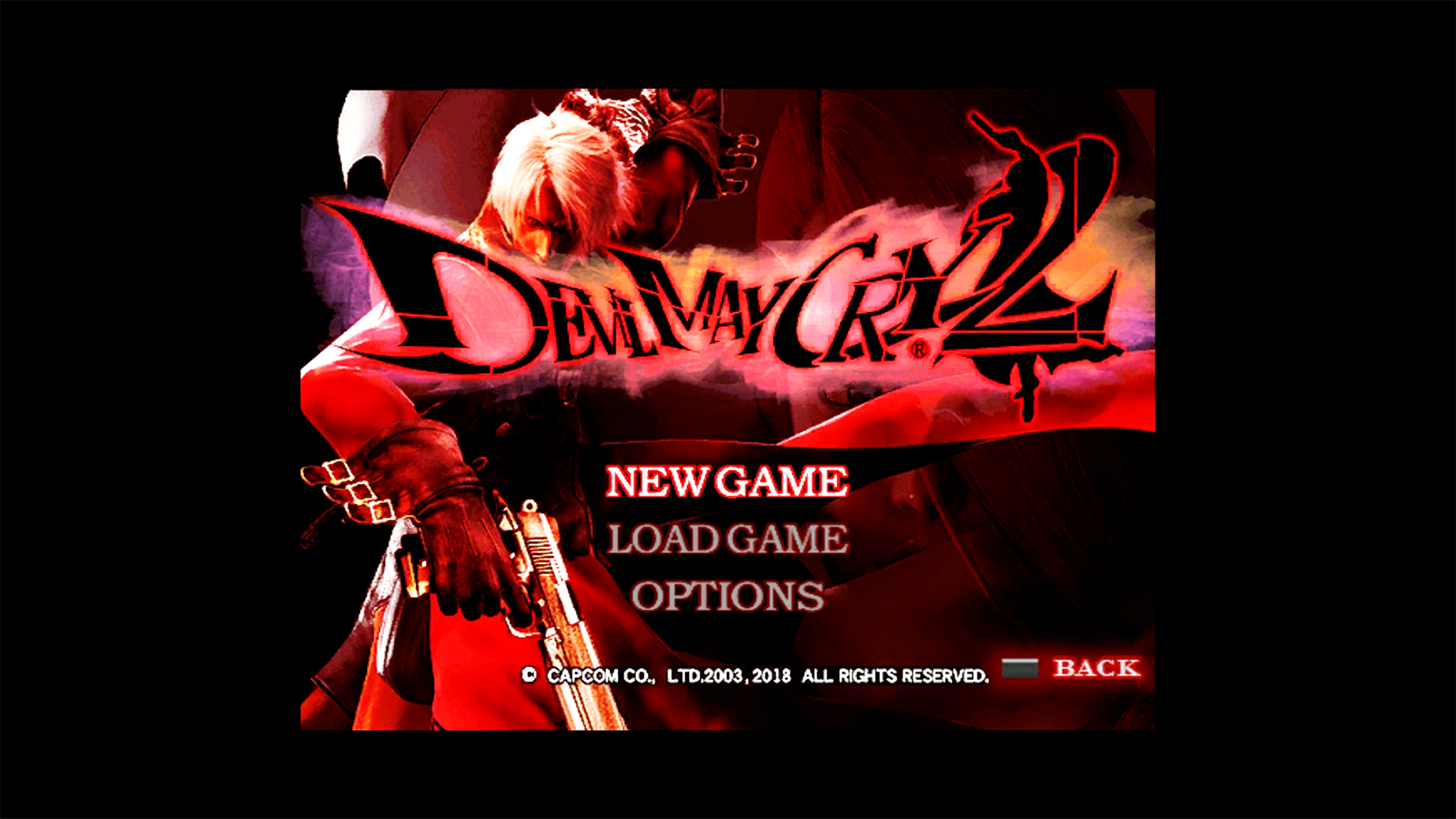
You may cry over this disappointing sequel

Dante, Dante, Dante. Capcom’s resident demon hunter/investigator has contributed greatly to the company’s fortunes. From various merchandise and endorsement deals to a Netflix series due later this year, Dante is living large. However, there are games in the Devil May Cry series that almost destroyed his rising star. Devil May Cry 2 is one of those games.
In Devil May Cry 2, Dante and a new companion, Lucia, join forces to battle demons led by an international businessman named Arius whose company called Uroboros  establishes itself on the island of Vie de Marli. Arius’ true goal is to find holy relics called Arcanas so that he can obtain the powers of the ancient demon Argosax. Now locked in a race against time, Dante and Lucia must battle against Argosax and put an end to Arius’ madness before the world is plunged into eternal darkness.
DMC2’s graphics and presentation had a nice approach instead of the usual haphazard scenery found in most hack-and-slash games. It’s nice that the DMC2 development team took inspiration from Western Europe and the Mediterranean region and combined that with various elements from Japanese, Latin and Greek cultures and various religious elements. However, the parts of the dealbreaker with DMC2 soon appeared with various scenes as poorly done clay sculptures.
Further in the game, the graphics became more of a disappointment, despite giving leeway to the PlayStation 2’s hardware capabilities in its early years. One of the most glaring issues involved the camera. The in-game camera was weird and clunky, zooming  in and out oddly in underground areas. And, it was too rigid when it needed to move with Dante. The controls were tank-like — Capcom’s normal standard operational procedure — but it was more annoying when I was shooting at enemies long distance and wasting ammo and mobility. The tanking of Dante is counter to him being agile, which was a major selling point that catapulted him to stardom. Another issue was that the in-game store sold various skill and weapon upgrades including health items but were ridiculously expensive despite me having the ability to gather more coins seamlessly here than in the original game. That’s a major turnoff because it’s a chore. More work for more expensive rewards is not fun.
The music of DMC2 was serviceable; it feels like Capcom’s renowned music team was told to phone in their work that was at best choppy but acceptable. That’s a shame because all of it just seems mediocre and not the best that Capcom could do for a series of DMC’s caliber.
While Capcom attempted to strike hot with a global smash-hit property, they managed to fail because they treat DMC2 like their other critically acclaimed series (Mega Man, Rival Schools, the Versus series and Onimusha) not named Street Fighter: like FLAMING GARBAGE. As a fan of DMC, Mega Man, Onimusha and various Capcom games, I’m incensed that these titles are beloved globally, yet Capcom does very little or nothing to do proper promotion for them, yet they profit HUGELY from them. Unfortunately, Dante fell victim to the Capcom curse for which he cannot blame his black sheep brother — this time.
Devil May Cry 2 should have been the lightning that struck twice. Fortunately for Dante and Co., Capcom management saw the follies of mistreatment of a hot property and applied lessons learned in its future installments. As we say in GI HQ, “Know better, do better.” Capcom should have done better with this sequel because they knew better. Dante should have been able to keep it stylish, but this is a major stumble in an otherwise stellar jackpot of a series.
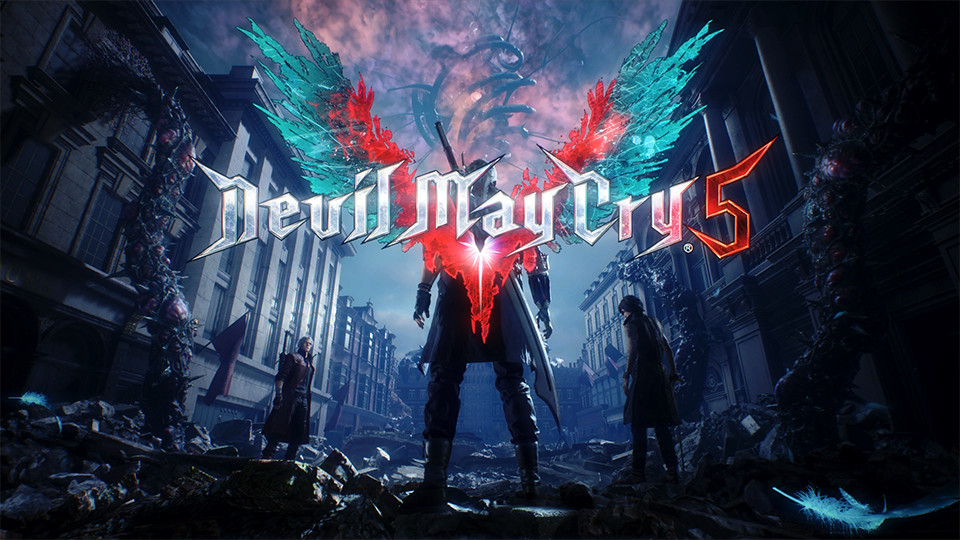
 consoles with the hack and slash style of gaming that put it on the map. I waited five years to play the fifth installment of this series and the kick-ass promotional song “Devil Trigger” helped move that wait right along. In April 2019, me and
 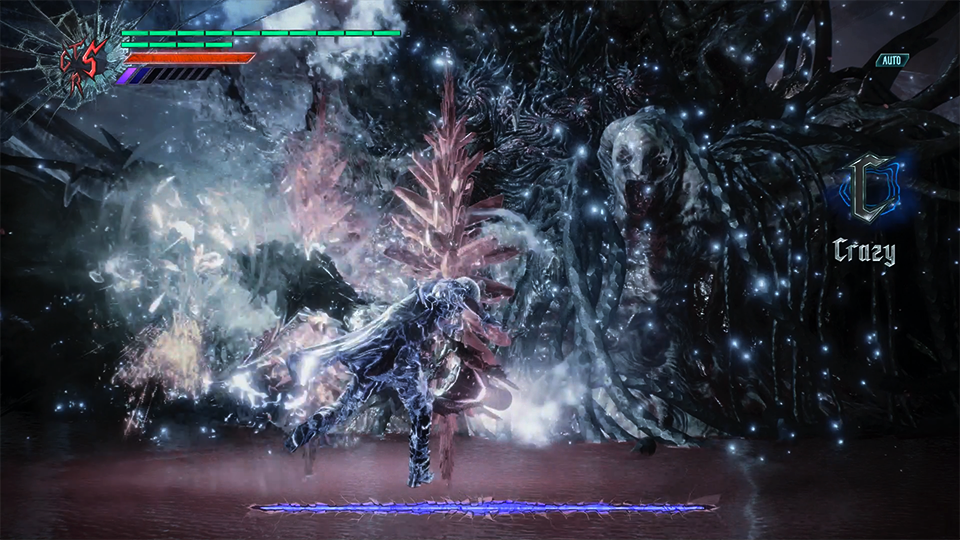 the demon-hunting business but one May night, Nero is accosted by a familiar foe who has not only taken the demon sword Yamato, but also Nero’s demonic arm. Vowing vengeance, Nero pursues the foe to Redwood City where he is introduced to a new evil known as Urizen. He, Dante and fellow demon hunters Trish and Lady are swatted instantly by Urizen. Now having a
  Gameplay in
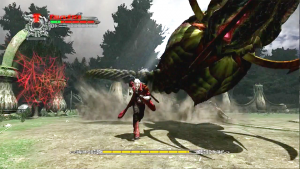 has changed for a more intense experience. Taking place in a remote island town called Fortuna, you assume the role of Nero — a younger version of Dante — who is a member of the Order of the Sword. The Order of the Sword is a militant religious organization formed to destroy demons based on the actions of the Demon-Knight Sparda, who rebelled against the demon underworld to protect humanity. At a recent ceremony to honor Sparda, Dante smashes though a skylight and kills the priest leading the ceremony, setting off a chain of events that would not only put Dante and Nero on a collision course with each other, but also would lead both demon-hunters through a greater mystery to find out the true intentions of the Order and to stop a more vicious plot of a demon-invasion.
 The excellent detail that is used in each level comes to life in the background and cinematic scenes. These were done with high definition technology that will make you feel like you are playing with a masterpiece of art instead of a video game. Capcom’s sound team brings their A‑game again. Each sound and vocal effect combined with Dolby Digital Sound gives an orchestral quality to the game. Capcom did a great job in voice and motion capture for
 tutorials for players to master Dante’s moves and his signature weapons. In addition to the tutorials, four different combative arts called “styles” are available to Dante, giving him various abilities to increase the power of various guns, striking weapons, dodge attacks, and unleashing hand-to-hand combat with devastating results. Once Dante defeats a certain boss, he will be able to use them in the form of unique, various weapons. There is a lock-on feature to directly target enemies that, with practice, will be a valuable tool to rip enemies apart. Also in the special edition, there are two modes of play: Normal, which is basic
  The game music fits each level with a Phantom of the Opera type of feel while the battle scenes uses an electronic/heavy metal beat that heats up the battles. My only issue is that it’s repetitive every time I fight enemies, but it’s well done nonetheless. The voice acting in