
House of the Dead
Sega, 1998
Retro House of the Dead sets up shop for franchise
Ah, the progress that has been made. The on rails shooters genre has made strides in the last 27 years. Modern controls — including light guns available for the home market — have made playing a lot more enjoyable. And that has made the House of the Dead series — and especially the original game — a tad bit more tolerable.
House of the Dead starts off as most zombie horror games of the day did: A megalomaniacal weirdo is messing with bioterrorism unnecessarily and has created a mess. And by mess, I mean mutated, transformed humans with a taste for flesh. That’s literally the plot of the game. There’s something about a fiancée that needs saving and stopping this blight from spreading to the rest of humanity, but that’s the basics. It’s serviceable and really doesn’t do much to affect the gameplay. You’re killing zombies, boss zombies and most likely the end boss guy who created the problem. Clean it up and go on in future sequels to take on an even larger threat in the bad guy’s boss because, of course, he has a boss.
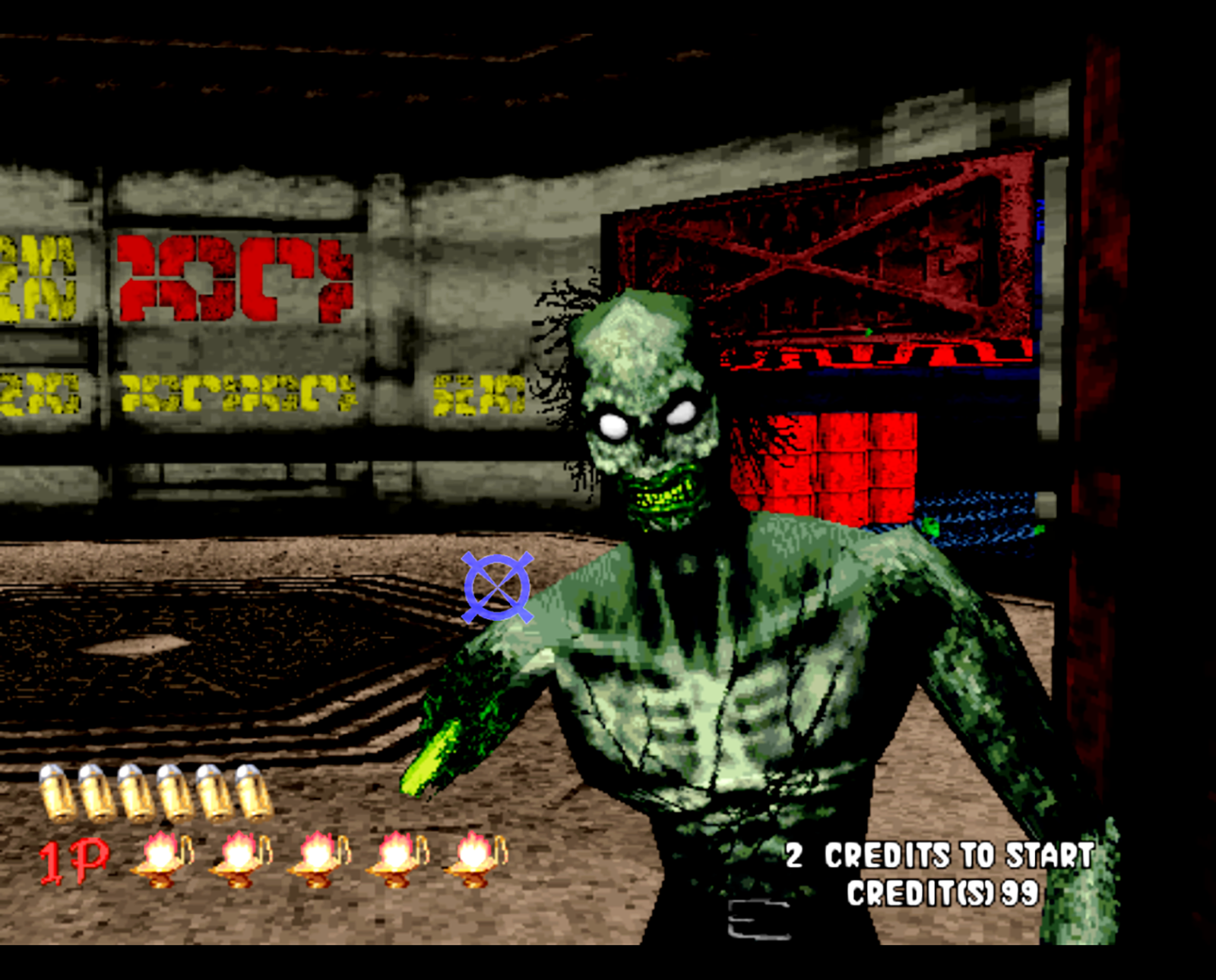
Cleaning up the problem is the fun part here. The controls are your standard light gun shooter but they’re fine. Aiming and shooting wasn’t bad, though lining up my shot sometimes was not exactly sharp. There were a few times fighting some of the aerial bosses that the cursor just wasn’t keeping up so I took cheap hits. As an arcade old head, I know that’s the name of the game here: It’s designed to be a quarter-muncher. But by the time I get home, there should be a better understanding that this isn’t going to fly. Thankfully, cheat codes exist so it’s not a problem. But for arcade conditions sake, this really isn’t cool.
 Because this is a 1998 product we’re talking about, I’m also not expecting the graphics to look like much. And they don’t, beyond these zombies looking OK. Keep in mind that these graphics didn’t really improve until well beyond the second game/Typing of the Dead, so you’re going to be seeing them for a long time. The music fares about the same, too. They are decent enough for the late ’90s, and they work well in the confines of House of the Dead.
House of the Dead has made many improvements in the nearly 30 years since the original game. It didn’t set the barn on fire then but it’s a nice rail shooter if you’re into zombie horror and like what the series has to offer. Personally, I’m more apt to play Typing of the Dead before House of the Dead, but that’s because I prefer to be a keyboard sharpshooter these days. House of the Dead’s reticle is set in the middle with the ability to go higher.

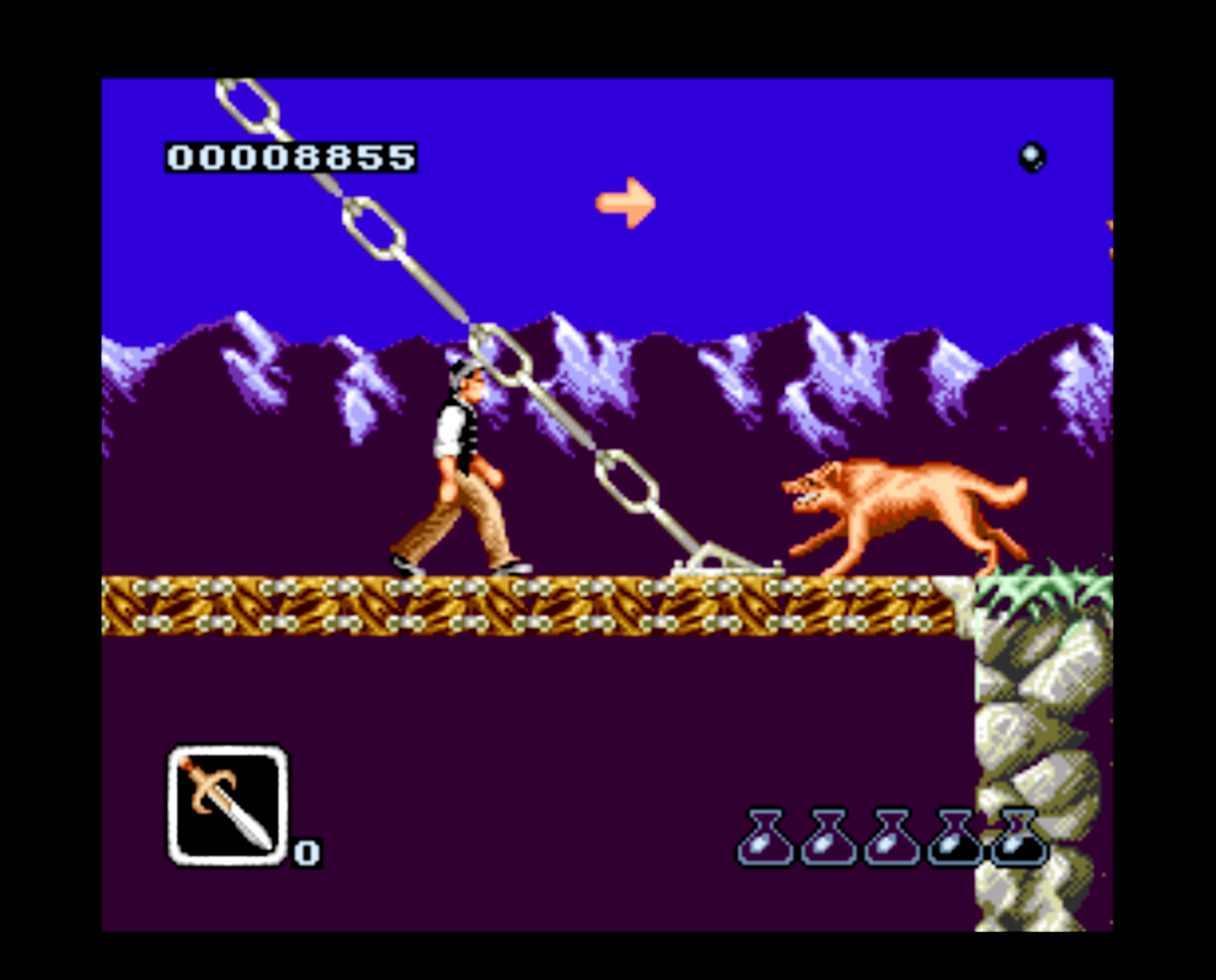
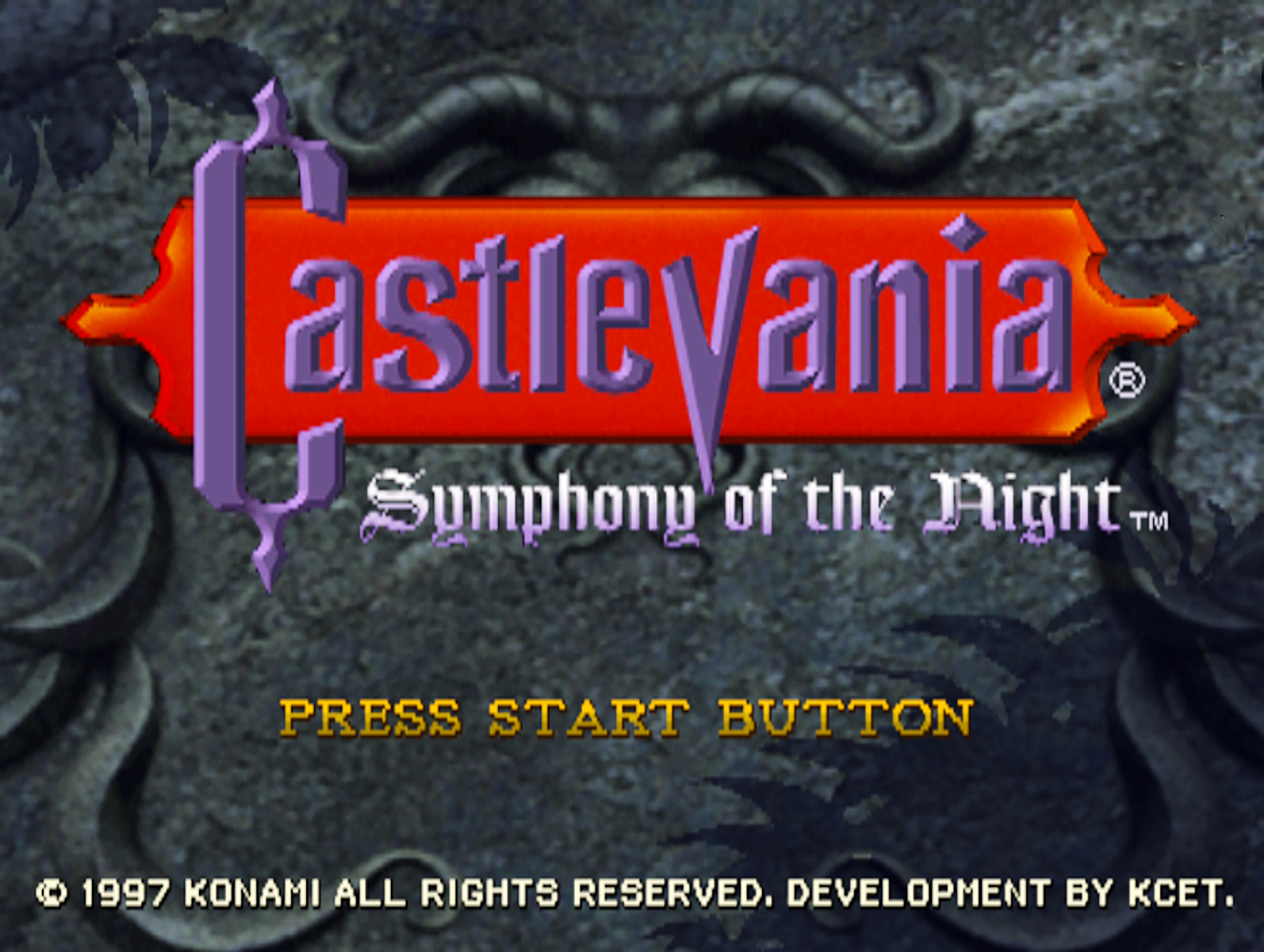
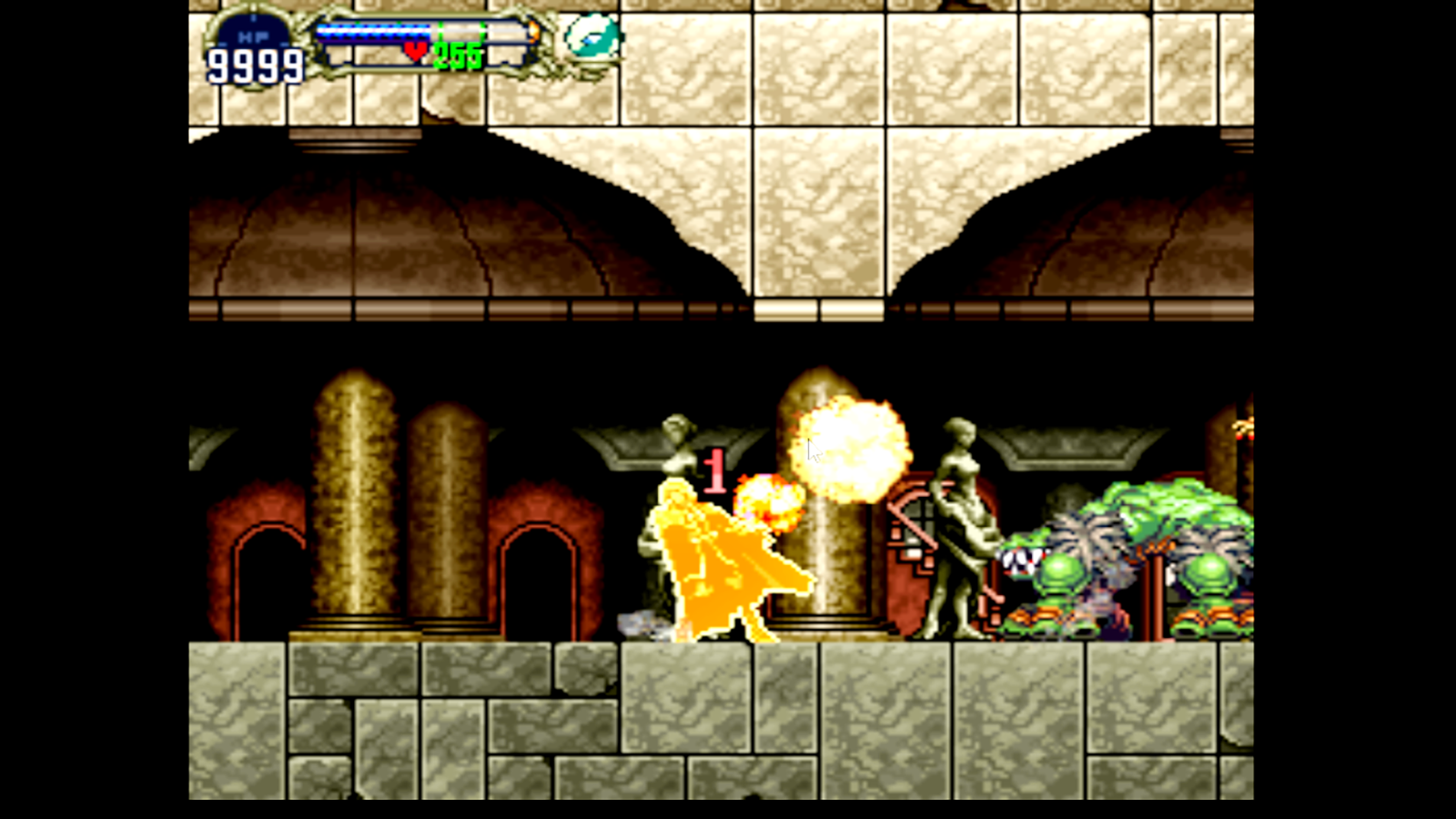
 Graphically, the game is gorgeous. Konami did something beautiful here and Castlevania looks better than ever. The gothic details are something to behold and are eye-catching as well as pleasing to someone with a goth sensibility and yearning for video games. The soundtrack is just as beautiful, necessitating finding the soundtrack to add to the collection. There are familiar riffs (Vampire Killer makes a cameo) and new chords to strike that are masterpieces, which is expected of the legendary Konami sound.


 Offense Position and Just Defend, are welcome new pieces in the series’ repertoire. Just Defend, which is like Street Fighter III’s parry mechanic, has hung around and made appearances in other games such as Capcom vs.
 last game of the golden age,
 from Party Collection, is kind of aggravating but it’s not so terrible that the mix isn’t worth your time. It’s time consuming but it only means playing more

 What I didn’t care for in Alpha has improved in Alpha 2: how it plays. The play feel has improved with the introduction of Custom Combos, and while clunky to execute, it’s a nice change of pace for the series. They’re in their infancy here so don’t expect the absolute dominance of Alpha 3 V‑


 While it’s a neat concept game, Chakan isn’t great at all. The many problems really start with the lack of hindsight to hire Kraus to consult on game development. This would have allowed more insight into the character. It’s also frustrating that Chakan’s time limit prevented me from locating his special weapons. Also, the various symbols representing alchemy were confusing. Trying to determine which symbol matched the element Chakan would need to fight multiple enemies was a chore.