The Punisher — Issue 40

The Pun­ish­er makes good in dig­i­tal crime cleanup

Before Mar­vel vs. Cap­com became a rel­e­vant name to gamers, the com­pa­nies col­lab­o­rat­ed on oth­er games. Those games became essen­tial clas­sics to devel­op gamers who spe­cial­ized in sin­gle-com­bat titles. In 1994, Cap­com and Mar­vel brought a Final Fight-style game to the Gen­e­sis that starred comics’ most infa­mous anti-hero: Frank Cas­tle aka The Punisher.
The game fol­lows the sto­ry­line of the clas­sic Mar­vel comics series. Frank Cas­tle, a dec­o­rat­ed vet­er­an Marine, was enjoy­ing a day in the park with his fam­i­ly when they unwit­ting­ly became wit­ness­es to a mob shoot­ing. As a result, Cas­tle and his fam­i­ly were mas­sa­cred, him being the only sur­vivor. Cas­tle became deter­mined to get pay­back by any means nec­es­sary. With fel­low war­rior Nick Fury (of S.H.I.E.L.D.), Cas­tle begins his war on crime against mob boss Wil­son Fisk aka King­pin, who caused the death of his fam­i­ly and many oth­er innocents. 
The game plays sim­i­lar­ly to “Final Fight” and “Cap­tain Com­man­do.” You can choose to play as either Cas­tle or Fury and can team up in mul­ti­play­er. You start off with the basics, pro­gress­ing to com­bos and var­i­ous weapons such as hand­guns, auto­mat­ic rifles and katanas. There was lib­er­al food and oth­er pow­er-ups such as cash, gold bars and dia­monds that increased my score and restored health since the amount of ene­mies com­ing at me was nonstop. 
The graph­ics were pleas­ant enough, although they attempt­ed to copy arcade cab­i­net-qual­i­ty with lit­tle suc­cess. I will give Cap­com cred­it for mak­ing the graph­ics comic­book-like. it was like read­ing an actu­al issue of the comics includ­ing cap­tions “BLAM!” “KRAK” and BOOM!” instead of play­ing a rushed paint job of a pop­u­lar com­ic series video game. The music of each stage was also decent as Capcom’s sound team deliv­ered, keep­ing things close to what the Pun­ish­er feels like. 
With the work Cap­com put in, the atten­tion to detail made me want to pick it up to play as a return­ing com­ic book fan who knew about Cas­tle and Fury but want­ed to learn more about the King­pin and oth­er Mar­vel vil­lains such as Bush­whack­er and Bonebreaker. 
The Pun­ish­er is the first suc­cess­ful par­ing of Capcom’s know-how with Marvel’s leg­endary vig­i­lante who wastes no time dis­pens­ing his brand of jus­tice on crim­i­nals. Play­ing through this isn’t exact­ly punishment.

Mario Kart 8 (Wii U) — Issue 40

Mario Kart races back to form in Wii U edition

There comes a time in every Mario Kart fan’s life when you have to make a choice of whether you still love the series or if you don’t. I assume this, of course, because I have no idea if any­one still plays Mario Kart or not. I assume they do, and I just don’t know it. The series hit that fabled peak of ques­tion­abil­i­ty for me when Mario Kart Wii was released. GI wasn’t using a rat­ing scale when we reviewed it (editor’s note: This was reviewed in 3Q2008), but suf­fice to say it would not have received a good score. Mario Kart had a lot of work to redeem itself for me, a long­time lover of the series who start­ed in 1992. The lat­est orig­i­nal entry, Mario Kart 8, has made sig­nif­i­cant effort to pol­ish the series again.
Mario Kart, at its core, has always been about arcade rac­ing. There’s noth­ing real­is­tic about play­ing as var­i­ous Mario and oth­er gen­er­al Nin­ten­do char­ac­ters while romp­ing through var­i­ous Mush­room King­dom locales. It’s always been about the Mario charm expand­ed to fit with­in a palat­able dri­ving scheme that makes any­one a cham­pi­on go-kart enthu­si­ast. Mario Kart 8 does not shirk on this charm. If it’s a mem­o­rable Mario char­ac­ter, they’re prob­a­bly in this game. 
And, in a nod to the appeal of Nin­ten­do crossover and nos­tal­gia, there are new addi­tions from out­side the port­ly mus­ta­chioed plumber’s usu­al sus­pects: You can now play as Ani­mal Crossing’s Isabelle and The Leg­end of Zelda’s Link. While they don’t nec­es­sar­i­ly con­tribute any­thing new to the series, their pres­ence is enough to elic­it excite­ment because it means Nin­ten­do is final­ly open­ing Mario Kart up to the gen­er­al ros­ter. There is much to mine from, and if you’re ques­tion­ing any of this, look at the lead Smash Bros. has tak­en in this field.
Mario Kart has always been the sort of series that takes its his­to­ry seri­ous­ly. Entries after Mario Kart: Dou­ble Dash have begun ref­er­enc­ing the pre­vi­ous tracks of yore, some­times with var­ied results. Mario Kart 8 man­ages to gath­er a lot of stel­lar new tracks and some old that aren’t favorites but will suf­fice as entries. A lot of the old­er tracks are from more recent entries but make no mis­take — they are there for the pur­pose of draw­ing you in to remind you of the good times and then send you on your mer­ry way to try the new tracks. Tug­ging at my heart strings with a mod­ern SNES Rain­bow Road remake will get you every­where, though there are caveats to these remakes. 
While the tracks are great graph­i­cal­ly, the music is hit or miss. When I say I want a Rain­bow Road throw­back, I also want the orig­i­nal music to go with it. It doesn’t need a musi­cal over­haul because the orig­i­nal music was bril­liant. I’m not sure why Nin­ten­do thought it need­ed to have the sound remade, but it wasn’t a par­tic­u­lar­ly great deci­sion. Oth­er remas­tered stage choic­es, includ­ing Grum­ble Vol­cano and Music Park, are fine. And a lot of the new tracks are great; Drag­on Drift­way and Excite­bike Are­na are def­i­nite standouts.
Graph­i­cal­ly, the game looks amaz­ing. It’s the best-look­ing Mario Kart pro­duced yet. All the char­ac­ters look life-like, and the stages are incred­i­bly detailed. Even the water par­ti­cle effects look amaz­ing. There are times when there’s a brief lull in action that I can soak up the sur­round­ings, and I’m impressed by the Wii U’s under­stat­ed capa­bil­i­ty. Mario Kart 8 shows what the sys­tem could poten­tial­ly do. It’s a tes­ta­ment also to just how good Mario Kart looks in the mod­ern era.
Now, here’s where we may have some issues. I’m not fond of the AI rub­ber­band­ing, and I haven’t been a fan of it since the Mario Kart 64 days. We are a quar­ter of a cen­tu­ry grown up and past that, and we’re still hav­ing issues with last-minute vic­to­ries by the AI. This is a known issue at this point, yet it rears its ugly head still. Also, while a lot of the new tracks are cool — Excite­bike Are­na among the best of the bunch — there are some that do absolute­ly noth­ing for me. Track selec­tion is impor­tant, and this entry has dullards. Big Blue, for what­ev­er rea­son, keeps show­ing up in mod­ern catchall Nin­ten­do games, and it’s here, too. I’m not impressed with the track at all, and they could have come up with some­thing else. 
Also, while I love the Ani­mal Cross­ing track, it needs some­thing else than the series’ cute motif and catchy music. It’s your basic, run of the mill dri­ve around in a loop track, but it needs some­thing else to give it some pop. Same thing goes for the Hyrule track. It’s basic, too. What makes this worse is that the tracks are part of the DLC bun­dle for the game. If you’re ask­ing me to spend hard-earned mon­ey on extras, the extras need to be super spe­cial. I’m not get­ting that with those two tracks, specif­i­cal­ly. Thank­ful­ly, there are oth­er extras to be had that kind of make up for those.
Over­all, this is a sol­id entry in the Mario Kart sphere of influ­ence. This is the best entry in years, and it deserves some high praise for a lot of the things that it gets right. There’s always room for improve­ment, but the rac­ing king con­tin­ues to show why it’s the arcade rac­ing champ and why it con­tin­ues to rule the road of go-karting.

Watch Dogs — Issue 40

Watch who watch­es soci­ety in sur­veil­lance thriller

I am sort of a tech geek. While I do not have the lat­est gad­gets in gam­ing or mod­ern liv­ing, I love to have knowl­edge about the lat­est in dig­i­tal secu­ri­ty. Dur­ing the height of the Covid-19 pan­dem­ic, I spent time off binge-watch­ing the USA net­work show “Mr. Robot.” The pro­tag­o­nist, Elliot Ander­son, was not a social but­ter­fly, but if he want­ed to know some­thing about some­one, all he needs is their dig­i­tal details and he would either help or hin­der them. Before Mr. Robot took form, Ubisoft in 2014 devel­oped a game that applied action-adven­ture ele­ments and mixed them with cyber­se­cu­ri­ty and per­son­al pri­va­cy issues involv­ing big tech­nol­o­gy com­pa­nies. Watch Dogs was born of that curios­i­ty.
In Watch Dogs, you take on the role of hack­er Aiden Pierce, who in 2012 was col­lab­o­rat­ing with his mentor/partner Damien Brenks on an elec­tron­ic finan­cial heist in a fic­tion­al Chica­go hotel. Unknown to the hack­ing duo, they tripped off an alarm set by anoth­er hack­er, which forces Aiden to take his fam­i­ly out of the city.
While on the run, they are pur­sued by hit­man Mau­rice Vega in a car chase that kills Aiden’s niece. Enraged, Aiden, along with partner/fixer Jor­di Chin, sets off to find Vega and his employ­er while uncov­er­ing a hideous con­spir­a­cy behind the pop­u­lar CtOS (Cen­tral Oper­at­ing Sys­tem) that has Chica­go heav­i­ly depen­dent on it.
Watch Dogs is sim­ple to play yet requires some prac­tice to be famil­iar with. Using the ana­log sticks to con­trol Aiden’s move­ments and the in-game cam­era was dif­fi­cult at first; how­ev­er, with enough prac­tice, you will have him almost invin­ci­ble. The menu for Aiden’s col­lect­ed items as well as dri­ving sce­nar­ios are like Grand Theft Auto, which I found frus­trat­ing but not unplayable. Aiden’s main weapons are a col­lapsi­ble baton and a portable device known as the Pro­fil­er. The Pro­fil­er picks up NPC info that could be used to loot or embar­rass them, depend­ing on the sit­u­a­tion. Also, you scan scale ver­ti­cal walls and crouch behind walls to hide from ene­mies. I espe­cial­ly like the abil­i­ty to hide because it’s well done in its appli­ca­tion. Dur­ing the first mis­sion of the game, I found Vega and roughed him up, hacked the base­ball stadium’s pow­er grid to cause a black­out and snuck away from the police. With the well-prac­ticed con­trols, it was easy to make this sequence work and get on with the rest of the game. That’s how smooth it should be.
The graph­ics in Watch Dogs are sharp and do well in tak­ing advan­tage of Ubisoft’s Dis­rupt engine, which pre­sent­ed the city of Chica­go and its land­marks with great care and detail. Anoth­er detail I liked was the abil­i­ty to set the time for Aiden to rest. The rep­re­sen­ta­tion of the day and night cycle was per­fect. Watch Dog’s music is a nice mix of adren­a­line and house music and con­tributed well to the over­all atmos­phere.
Watch Dogs is great to play if you want to act out your vig­i­lante hero fan­tasies, legal­ly, of course. Watch Dogs will not dis­ap­point, although I would rec­om­mend using a strat­e­gy guide to help make your first playthrough more enjoy­able.
For those who are inter­est­ed in cyber­se­cu­ri­ty like I am or want to expe­ri­ence con­trol of a city by tech­nol­o­gy, get to hacking.

Samurai Shodown 2019 — Issue 39

Show­ing up to show out

Vet­er­an fight­ing series Samu­rai Shodown returns with few flaws

SNK has done it again. Gor­geous graph­ics, fun play mechan­ics and a sol­id fight­ing game engine make up the core of one of its flag­ship fight­ing fran­chis­es fea­tur­ing samu­rai. If you’re in the mode for beau­ti­ful fight­ing in the Japan­ese feu­dal era, you’ve come to the right place in the 2019 revival of Samu­rai Shodown.

Get­ting back to the root of what makes Samu­rai Shodown fun and unique, the 2019 reboot is basic in every way. The bare­bones options mean there isn’t much to do, but if you’re look­ing to just pick a fight­er and jump in, it’s clear­ly there for that. You choose from 18 base ros­ter fight­ers and duke it out in feu­dal Japan with var­i­ous moti­va­tions. All are inves­ti­gat­ing a com­ing cat­a­stro­phe, but their inten­tion in the face of a sin­is­ter envi­ron­ment is unique. Time­line-wise, the game is set between the pre­quel Samu­rai Shodown V and the orig­i­nal Samu­rai Shodown. So, you’re get­ting a taste of the sto­ry before the main series even kicks off.

The char­ac­ters, as well as the back­grounds, are stun­ning. SNK has always been known for its impres­sive atten­tion to detail when it comes to graph­ics with Samu­rai Shodown, and this entry is no dif­fer­ent. The col­ors pop with an empha­sis on non-real­is­tic graph­ics that resem­ble what we know in the West as ukiyo‑e and wood­block paint­ings; every­thing is utter­ly gor­geous, begin­ning with the menu and options screens.

As a title set in feu­dal Japan, the music must reflect the envi­ron­ment — and it’s well done as well. The use of tra­di­tion­al Japan­ese instru­ments has always been present in Samu­rai Shodown and it’s used lib­er­al­ly and to great effect. Also, the voice work is excel­lent. We appre­ci­ate the Japan­ese lan­guage, and it sounds beau­ti­ful and clear here.

We do have an obvi­ous issue with the reboot, despite its beau­ty. There is a notice­able lack of things to do once you stop mar­veling at the graph­ics. Where are the modes beyond the stan­dard offer­ings? So much more could have been added, espe­cial­ly with the series’ his­to­ry at hand. It’s a pret­ty pack­age but it’s miss­ing a lot.

Samu­rai Shodown has been around for a long time, and this revival is just that: A return to the roots of a fan­tas­tic fight­ing game series. This entry is stun­ning and grace­ful yet just enough to whet the appetite of a fight­ing game new­com­er or a sea­soned vet­er­an. With this suc­cess, SNK now knows what it needs to do to show up and show out with the renewed inter­est in the show­stop­per that is Samu­rai Shodown.

Ghost of Tsushima — Issue 39

A ghost­ly com­pelling tale

Beau­ti­ful. Stun­ning. Breath­tak­ing. The Japan­ese coun­try­side of Tsushi­ma can only be described this way, and this is being mod­est. Immer­sion in the strug­gle and bur­den of a samu­rai lord in 13th cen­tu­ry Japan against invad­ing Mon­gols is stu­pe­fy­ing once you real­ize that it’s intri­cate­ly craft­ed in a video game. You are the ghost, the Ghost of Tsushima.

Wan­der­ing around the real island of Tsushi­ma, Japan, in 1274 is a fairy­tale. Every loca­tion and near­ly every blade of grass or tree tells a sto­ry. That sto­ry is of samu­rai lord Jin Sakai, a man des­per­ate to save his home from an invad­ing Mon­go­lian force led by the grand­son of Genghis Khan. Jin gath­ers a coun­ter­force, only to be defeat­ed and near­ly killed. In the process of heal­ing, Jin finds allies to ral­ly to the cause and peti­tions for help from the shogu­nate to defeat the Mon­gols. You become Jin in your quest to save his home and gath­er weapons and sup­plies, learn skills, acquire alliances, and fight to repeal the invaders. There is much to learn and see in the open world pre­sent­ed to you even if you aren’t a his­to­ry buff or care about the pol­i­tics, econ­o­my, or goings on of feu­dal Japan. There are no time lim­its for tack­ling mis­sions, and you are encour­aged to free roam and explore the land.

Much like any oth­er open world game I’ve ever played, what I like to call the “Metroid instinct” kicks in and I find myself search­ing every nook and cran­ny to find hid­den sup­plies and oth­er good­ies. Dur­ing my explo­ration, of course, I come across peo­ple who don’t like Jin. I note the pres­ence of bon­fires, which gen­er­al­ly indi­cates who I like to refer to as “dudes.” Dudes are the type that are gen­er­al­ly hos­tile to me and my inter­ests. Those inter­ests involve inves­ti­ga­tion and sav­ing peo­ple in the gen­er­al pop­u­lace who require the ser­vices of a skilled samu­rai and con­tract killer. This is usu­al­ly how the fight starts: Dudes notice me in my fin­ery and my mag­i­cal horse frol­ick­ing in the coun­try­side and now they want to get reck­less about things.

In an absolute­ly fun mechan­ic, I tend to get into stand­offs with ban­dits. Now, my fight­ing skills here with a katana and tan­tō are not the best, but I have been known to make dudes meet their mak­er quick­ly. Sim­i­lar­ly, I’m not great with archery, but I make the best of a bad sit­u­a­tion and stealth kill my way through the coun­try­side clean­ly and quick­ly. My grasp of the con­trols is ten­u­ous at best, but that’s on me and my lack of skill and “old­er folks’ reflex­es™”. Ghost’s con­trol mechan­ics are sound and easy to pick up with a lit­tle practice.

As I explore after my fights, loot­ing what I need, I take in the scenery. Ghost of Tsushi­ma is quite pos­si­bly the most beau­ti­ful video game I have ever seen. I’ve been play­ing games a long time, and I can’t say until now that I’ve ever been just wowed by a game where I specif­i­cal­ly take in-game pho­tog­ra­phy to use as a back­ground. This is what you buy the lat­est con­sole for and the best TV for: mar­veling at the graph­ics. I’m not even on the lat­est PlaySta­tion mod­el (I’m play­ing with a PS4 Pro), and Ghost makes almost every­thing else look like stick fig­ures from the Atari 2600 era.

With a mas­ter­ful audio expe­ri­ence, Ghost has the sound and feel of a Kuro­sawa mas­ter­piece. You want to feel like the epic Sev­en Samu­rai? Turn on the Japan­ese dia­logue and Eng­lish sub­ti­tles. It’s that type of expe­ri­ence. The nat­ur­al ambiance is also nice. It’s com­fort­ing to know that pay­ing atten­tion to sounds in the envi­ron­ment can save Jin’s life when I’m explor­ing. I’ve lost count of the num­ber of times lis­ten­ing for audio cues linked to bears or dudes has helped me avoid an ambush.

While it’s a great expe­ri­ence, Ghost is not with­out its prob­lems. The cam­era work doesn’t always help when it’s time to fight. Often, I’m fight­ing the cam­era to see my ene­mies and avoid tak­ing mas­sive dam­age. The cam­era could use some refine­ment in lat­er updates. And my oth­er issue is the Leg­ends mode, added after the game’s ini­tial release. I was all geared up to play with my part­ner and then real­ized that this long-await­ed co-op mode does not sup­port local play. We were hot­ly antic­i­pat­ing being able to roam around Tsushi­ma togeth­er as we’re gamers, engrossed in the tale of Jin who absolute­ly love samu­rai. But we were high­ly dis­ap­point­ed to learn that the only co-op sup­port­ed is online. Though the mode is free, it was a mas­sive let­down to real­ize that we weren’t going to be play­ing this epic together.

Despite some minor tech­ni­cal issues, Ghost of Tsushi­ma hits the mark in a lot of areas. A com­pe­tent nar­ra­tive, open world explo­ration, stun­ning visu­als and an easy-to-grasp sys­tem are just some of the good­ies await­ing engross­ment in Jin’s tale of revenge and rev­o­lu­tion in 1274 feu­dal Japan. Ghost of Tsushi­ma scares up a great adven­ture wor­thy of all the praise one can muster.

Dynasty Warriors: Gundam 2 — Issue 39

Gun­dam sec­ond game not yet there

Pre­vi­ous­ly, I reviewed Dynasty War­riors: Gun­dam 3, which set the stage for me to try the oth­ers in the series. Lit­tle did I know, I would be learn­ing a valu­able les­son: Not every pop­u­lar fran­chise will always have best-sell­ers. An excel­lent exam­ple would be Dynasty War­riors: Gun­dam 2.

Gun­dam 2 fol­lows the same ros­ter of char­ac­ters in var­i­ous entries in the Gun­dam uni­verse, includ­ing some char­ac­ters and mobile suits that were only fea­tured in Gun­dam movies. To com­pen­sate for a lack of a sto­ry­line, DWG2 has two modes: Sto­ry, where you can play as one of a select group of char­ac­ters from their respec­tive Gun­dam series; and, Mis­sion, where you choose a char­ac­ter with var­i­ous mis­sions set in the uni­ver­sal cen­tu­ry time­line and you can inter­act with var­i­ous char­ac­ters from oth­er series. As you move along, you gain expe­ri­ence points to increase your lev­el and col­lect var­i­ous mobile suit parts. There is also a chance to earn new skills just like DWG3 as you advance to high­er levels.

Gun­dam 2 also spe­cial mis­sions where you can fight against oth­er oppo­nents to earn licens­es to pilot dif­fer­ent suits, earn the trust of oth­er char­ac­ters to fight beside you and acquire high­er-lev­el parts for mobile suits. The mobile suit lab and ter­mi­nal fea­tures help you to keep up with chang­ing events and cur­rent devel­op­ments with dif­fer­ent mobile suits.

What I like about Gun­dam 2 is that every char­ac­ter is legit in the Gun­dam uni­verse, which made me won­der if I saw the actu­al Gun­dam series with that char­ac­ter. Also, the open­ing cin­e­ma was high qual­i­ty, show­ing off the minor suits such as GMs and Zakus, who were observ­ing the OG RX-78, Strike Free­dom and Nu Gun­dam suits doing bat­tle while the Saz­abi and Psy­cho Gun­dam lurked in the shad­ows. Addi­tion­al­ly, I also appre­ci­at­ed Nam­co Bandai, Sun­rise and Koei retain­ing the orig­i­nal Eng­lish voice actors to reprise their respec­tive char­ac­ters; this gives DWG2 the need­ed cred­i­bil­i­ty as an offi­cial Gun­dam video game.

How­ev­er, despite the good, the bad parts stick out like sore thumbs. When I try to fight in oth­er bat­tle­fields, I’m restrict­ed in mov­ing, which weak­ens my attacks, and leaves me vul­ner­a­ble. Also, the in-game cam­era was VERY unhelp­ful, espe­cial­ly in boss fights with giant ene­mies where I was pilot­ing my mobile suit on low ener­gy while run­ning and avoid­ing attacks by giant ene­mies like Psy­cho Gun­dam, Big Zam, and Queen Mansa. I also found cer­tain parts of the game have unre­al­is­tic time lim­its to fight ene­mies to achieve cer­tain objec­tives. Final­ly, I found the biggest insult to me as a Gun­dam fan was the graph­ics; these feel like cheap knock-off paint jobs of Gun­dam and low­er-rank mobile suits alike. To be fair, the asso­ci­at­ed pilots look like their ani­me coun­ter­parts, but the suits were not giv­en the same treat­ment. Unfor­tu­nate­ly, I would also be remiss if I did not include the LONG wait to obtain skills, unlike in DWG3. I could unlock and pur­chase new skills in addi­tion to lev­el­ing up char­ac­ters more effi­cient­ly via train­ing ses­sions in the lat­ter game’s shop.

There are hits and miss­es that the qual­i­ty assur­ance teams should have noticed, but there are bright spots such as music and voice act­ing being excel­lent. I would still play Gun­dam 2 when I have free time, but Bandai Nam­co did such a rush job on it that I feel jus­ti­fied almost not rec­om­mend­ing it. I’m just glad that DWG3 is a far supe­ri­or prod­uct and sticks to the essen­tials that make Gun­dam, well, Gun­dam. Dynasty War­riors: Gun­dam 2 is on the way but not quite there.

Nobunaga’s Ambition — Issue 39

Ambi­tious guide to greatness

I’m appar­ent­ly no bat­tle­field gen­er­al. I learned this fas­ci­nat­ing tid­bit about myself with­in a rather rough short sea­son of my gam­ing life through dis­as­trous deci­sions and lack of prepa­ra­tion. My troops weren’t ready, I didn’t have enough hors­es and my crops failed to sus­tain my gar­ri­son. Even my samu­rai and nin­ja were tak­en out quick­ly. I was out­manned, out­matched and dec­i­mat­ed before I knew what hit me. Suf­fice to say, if I had been Oda Nobuna­ga, feu­dal Japan would have been in sham­bles like my men­tions on Twit­ter these days. That is the way in Nobunaga’s Ambition.

Ambi­tion is not for the faint of heart. It requires seri­ous plan­ning, thought­ful tac­ti­cal strikes, and good resource man­age­ment. At its core, Nobunaga’s Ambi­tion is a war sim­u­la­tion that takes you through feu­dal Japan’s rev­o­lu­tion­ary peri­od, where uni­fi­ca­tion was the goal and Nobuna­ga was the man to do it — pos­si­bly. While you can choose to be Nobuna­ga, you can be any oth­er num­ber of gen­er­als from dif­fer­ent regions of Japan at the time. You’re tasked with rais­ing an army, gath­er­ing and main­tain­ing sup­plies, and defend­ing your region while con­quer­ing oth­ers in a bid to uni­fy all of Japan under your shogunate.

You roam around the Japan­ese coun­try­side with your troops and chal­lenge the oth­er gen­er­als in a turn-based bat­tle some­times to the death. If suc­cess­ful, your name will be men­tioned in his­to­ry as a great gen­er­al and the uni­fi­er, much as his­to­ry played out with Nobunaga’s vic­to­ry over Shogun Ashik­a­ga Yoshi­a­ki in 1582 and his suc­ces­sors’ bat­tles after his death.

The premise is unique, though to ful­ly appre­ci­ate what it is you’re doing and why, you prob­a­bly will have to be a his­to­ry geek or inter­est­ed in Asian his­to­ry. It’s niche but fun with a lot of his­tor­i­cal edu­ca­tion thrown in.

Its niche con­text aside, the game is fun to play once you ful­ly get into the sim­u­la­tion. It’s a very 1993 pre­sen­ta­tion. The graph­ics are small for the maps, but they’re rem­i­nis­cent of the graph­ics of the time for the SNES and Win­dows games. The stand­out among the graph­ics, though, are the gen­er­al por­traits. They’re col­or­ful — as are the oth­er graph­ic ele­ments — but are also beau­ti­ful­ly detailed. For a SNES game, the graph­ics are top notch and still can com­pete with the big titles of the era.

The music can be a lit­tle grat­ing but it’s not over­ly ter­ri­ble. There are a few dif­fer­ent songs for the menus and bat­tle, and while slight­ly tin­ny, they are OK in a short-term play setting.

If you’re into strat­e­gy sim­u­la­tions and Japan­ese his­to­ry, let curios­i­ty strike and set­tle in for a rous­ing bat­tle. Nobunaga’s Ambi­tion is enough to get you start­ed in the genre and is des­tined to lead to greater things.

Yakuza: Dead Souls — Issue 39

Yakuza and zom­bies mix well

In my vast inven­to­ry of inter­ests, mafia movies are one that would make me curl up on a week­end after­noon with pop­corn, drinks and oth­er treats in hand. While I know that some famous mafia movies and tele­vi­sion series are being devel­oped into video games, Sega’s Yakuza series is already a per­fect com­bi­na­tion of action, adven­ture, and the mafia. I was thrilled to com­bine my love for the series with zom­bie ele­ments in Yakuza: Dead Souls.

Set a year after the events in Yakuza 4, an unknown dis­ease out­break in the dis­trict of Kamurochō has affect­ed its res­i­dents, turn­ing them into zom­bies through bites. As a result, the Japan­ese Ground Self-Defense Force has been called in to assist with the slow and expand­ing quar­an­tine. Dur­ing this chaot­ic time, cer­tain ene­mies of the Tojo clan have arisen to take advan­tage of Kamurochō’s suf­fer­ing. The fate of Kamurochō and Japan rests in the hands of four men: Shun Akiya­ma, a loan shark try­ing to save his sick recep­tion­ist; Goro Maji­ma, a feared yakuza and con­struc­tion com­pa­ny own­er who is fight­ing his own infec­tion; Ryu­ji Goda, a dis­graced yakuza and takoy­a­ki chef whose clan has a tie to the out­break; and, series pro­tag­o­nist Kiryu Kazu­ma, who runs a children’s orphan­age and returns to Kamurochō when his adop­tive daugh­ter is kidnapped.

Dead Souls is an open-world game that com­bines action, adven­ture, and sur­vival hor­ror ele­ments. The plot is one akin to samu­rai movies where there are four chap­ters with four parts for each char­ac­ter with the final chap­ter reserved for Kiryu. Con­trols for move­ment and the game cam­era are sim­ple with the ana­log sticks. You will also be giv­en “mem­os,” a list with spe­cial sec­tions to teach you basics such as using weapons, eva­sion, and close quar­ter com­bat, which help when fac­ing off against the legion of zom­bies. I appre­ci­at­ed the abil­i­ty to lev­el up each character’s attrib­ut­es through use of soul points that upgrades abil­i­ties to car­ry more items, improve knowl­edge of zom­bies, weapons mod­i­fi­ca­tions and pro­tec­tive gear, and mas­ter advanced close quar­ter com­bat techniques.

As the game pro­gress­es, your cur­rent char­ac­ter will be assist­ed by three NPCs: Reiko Hasekawa, a researcher who offers infor­ma­tion and rewards for com­plet­ed tasks; Gary “Buster” Holmes, a firearms expert who helps the pro­tag­o­nists and their tem­po­rary com­pan­ions with gun train­ing; and, Ren­ji Kamiya­ma, weapons sell­er and mod­i­fi­er of weapons and pro­tec­tive gear who can also be used as a pawn­bro­ker to buy rare items.

I also appre­ci­ate the clas­si­fi­ca­tion of var­i­ous zom­bie ene­mies; that orga­ni­za­tion method can help you plan the appro­pri­ate strat­e­gy or sim­ply avoid con­tact with them. While you’re run­ning around Kamurochō, pay atten­tion to the music. It’s one of Sega’s best sound­tracks in the mod­ern era and puts the Yakuza series among Sega’s go-to ros­ter of great soundtracks.

The graph­ics are OK for the time when it released. It’s good for an open world game, though there’s room for improve­ment. Though, com­pared to oth­er games at the time, Yakuza: Dead Souls doesn’t nec­es­sar­i­ly out­shine the com­pe­ti­tion; it just mere­ly com­petes. The only real prob­lem I have with Dead Souls is the inclu­sion of sce­nar­ios where you must chase down peo­ple while fend­ing off zom­bies. I know a yakuza got to make his mon­ey, but Sega was putting these char­ac­ters in dan­ger­ous con­di­tions with­out any pro­tec­tive gear, which is slight­ly unrealistic.

Dead Souls is great to play on a day off or slow week­end, though I would offer two pieces of advice: Do not play late at night, and do not play while COVID-19 is still around. It’s a nice attempt to mix mul­ti­ple gen­res. I can say this with no doubt: Sega’s got a smash hit ready to secure all bags and show its com­pe­ti­tion why it does not pay to under­es­ti­mate the Yakuza.

Fun Facts:

* Yakuza is the term giv­en to transna­tion­al crime orga­ni­za­tions based in Japan. They are also known as” boryoku­dan,” which the Japan­ese police advise for pub­lic media to use when cov­er­ing yakuza-relat­ed sto­ries. The yakuza also call them­selves “ninkyo dan­tai,” or chival­rous groups.

* Accord­ing to Japan’s Nation­al Police Agency as of 2020, there are at least 25,900 active yakuza mem­bers, despite rigid leg­is­la­tion aimed to com­bat yakuza involve­ment with the Japan­ese pub­lic. These mem­bers are account­ed among the three major yakuza fam­i­lies: Yam­aguchi-gumi, Somiyoshi-kai and Inagawa-kai.

* Yakuza groups have been known to oper­ate in major U.S. cities and use Hawaii as a hub to con­duct var­i­ous legal and ille­gal enterprises.

Gundam Versus — Issue 38

Gun­dam soars in top-notch mecha simulator

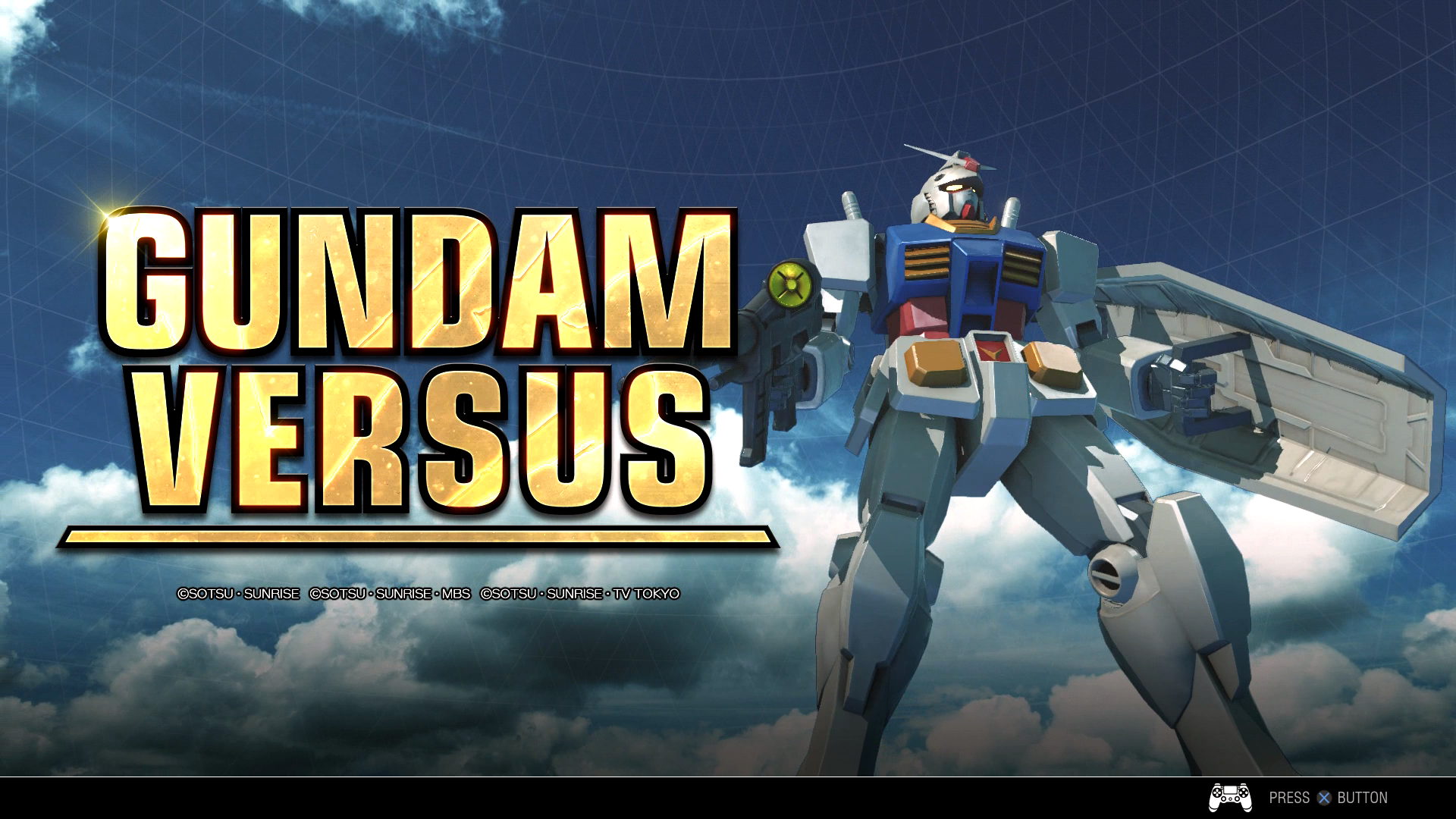
I’m a HUGE Gun­dam fan. Next to my love of Mega Man, Gun­dam is my sec­ond great­est obses­sion. Because of lim­it­ed space, I’ll have to be con­tent with the lim­it­ed Gun­dam merch that I have amassed. The lat­est addi­tion was giv­en to me for my recent birth­day; it made me recall play­ing a Gun­dam arcade fight­ing game at Nashicon 2016. Would it serve to sat­is­fy my hunger for giant robots caus­ing mas­sive dam­age and beat­ing them­selves to obliv­ion? “Gun­dam Ver­sus” for PlaySta­tion 4 gave me my answer.

Gun­dam Ver­sus has some unique advan­tages going for it as a fight­ing game. Its source mate­r­i­al is based on a uni­ver­sal­ly rec­og­nized ani­me series. Unlike oth­er fight­ing games, it does not have a sto­ry­line, allow­ing you to jump straight to the action with­out know­ing back­ground sto­ry. That sold me as some­one who knows a series’ back­ground, not need­ing knowl­edge about spe­cif­ic char­ac­ters’ background.

The abil­i­ty to choose a series favorite from a ros­ter of more than 90 mobile suits from var­i­ous Gun­dam works ensures that you are not lim­it­ed to char­ac­ters in Gun­dam series only aired in the U.S. Each stage is open area, allow­ing you to plan offense or defense with the ben­e­fit of hid­ing or run­ning from your oppo­nents while recov­er­ing from attacks. Also, you can have two addi­tion­al char­ac­ters to back you with one serv­ing as a strik­ing part­ner to tag team oppos­ing forces with the per­fect tim­ing. They are avail­able to have a train­ing ses­sion to get you famil­iar with your cho­sen suit.

Those who are not accus­tomed to run-and-gun gam­ing will get frus­trat­ed and want to quit play­ing. The open bat­tle­field requires a 360-degree view, which the PS4 con­trols are decent enough to help han­dle the action. While Gun­dam Ver­sus made an hon­or­able attempt to include all Gun­dam ele­ments, some open­ing themes were played on repeat way too much and that took away the focus from game­play and placed it on the music. Music for the game is top notch, which is to be expect­ed from the Bandai Nam­co sound team. This was the first time the team did an inter­na­tion­al col­lab­o­ra­tion with the Czech Phil­har­mon­ic Orches­tra for the open­ing visu­al. That adds some fla­vor and extras to the pre­sen­ta­tion. While I was dis­ap­point­ed that the game didn’t offer an Eng­lish dub track, the orig­i­nal Japan­ese audio for the Gun­dam fran­chise ensured that Ver­sus has the appro­pri­ate Gun­dam feel.

A down­side is that cer­tain series I liked and want­ed to use suits from are stuck as paid con­tent, which left Gun­dam fans like me at Bandai Namco’s mer­cy regard­ing afford­able pricing.

Gun­dam Ver­sus is a tes­ti­mo­ny of how ani­me, sci-fi and fight­ing games have merged to cre­ate a prod­uct that is playable for every­one, regard­less of fan­dom knowl­edge. As a Gun­dam afi­ciona­do, Ver­sus is well worth the time spent play­ing and is the next best thing to own­ing a Gun­dam or mobile suit. I wel­come this new addi­tion to my Gun­dam col­lec­tion as I con­tin­ue my quest to build a mas­ter­piece col­lec­tion of all things Gundam.

Tekken 7: Fated Retribution — Issue 38

Tekken’s fate unknown after mile­stone entry

Tekken is about a cer­tain sub­stance and style. The fight­ing engine is so deep in Tekken that if you’re just start­ing with the sev­enth game, you’re at an imme­di­ate dis­ad­van­tage because you’re behind. Way behind. Sto­ry-wise, you’re behind, too. There’s so much going on with the Mishi­ma clan that you’re bound to be ask­ing the ques­tion: Why now? Tekken isn’t just answer­ing that; it’s pos­ing the ques­tion of what’s next?

For the Mishi­ma clan — and Tekken’s ros­ter at large — the future is the ques­tion on everyone’s mind, but to get there, Tekken 7 stakes its ambi­tions on look­ing back to tell the sto­ry of the future. Spoil­er alert: With Hei­hachi gone, there’s only Kazuya and Jin left to car­ry on the blood feud of the clan. The sur­round­ing enti­ties are on either side of the con­flict between father and son, and there will be casu­al­ties. But that isn’t Tekken 7’s main sto­ry to tell. Real­ly, it’s two ques­tions: How did Kazuya become enmeshed in the dev­il gene fool­ish­ness, and how is Hei­hachi entan­gled in that as well? The answers lay with new char­ac­ter Kazu­mi Mishi­ma, Kazuya’s moth­er and Heihachi’s wife. She plays a cen­tral role in unrav­el­ing the mys­tery of Kazuya’s trans­for­ma­tion using the dev­il gene and why Hei­hachi threw his child off a cliff more than 40 years before.

While Bandai Nam­co is set­ting up the pay­off, look around. You’re in a Tekken game and many things will be true at once: The sound will be phe­nom­e­nal, and the graph­ics will be stun­ning. After all, this is a Tekken title; the King of the Iron Fist tour­na­ment does not slouch. What’s strik­ing is, this is a four-year-old game and it still looks decent. Tekken has nev­er been one to hold back when it comes to looks, and even with the upgrad­ed PlaySta­tion 4 Pro, it’s still a good-look­ing game. Tekken 7 could look worse with the ben­e­fit of more pro­cess­ing pow­er, and some sec­tions do show the age of the game. How­ev­er, it’s min­i­mal as far as Tekken is con­cerned, and Tekken 7 is still a pow­er­house when com­pared to every­thing else on the market.

The sound­track is excel­lent, though I want­ed a lit­tle more from it. I real­ize that not every Tekken sound­track is going to be the first Tag, where every track was a banger. How­ev­er, this is Tekken, and a cer­tain bar has been set by past games that cur­rent games must live up to. There are some bangers here, but not near­ly enough. For ref­er­ence, I have every Tekken sound­track ever released, arcade and home ver­sions. For the first four games, I have the entire sound­track saved on my iPod. As the series pro­gressed, I had few­er songs from each sound­track. As of Tekken 7, I have two tracks. It’s a good sound­track, but it just isn’t any­thing I haven’t heard before in a Tekken game. Tekken 8, or what­ev­er it will be called, will have to step things up in the sound department.

As far as Tekken’s playa­bil­i­ty, I can’t real­ly attest to it on a hands-on lev­el. Full dis­clo­sure: I’m not a good Tekken play­er. That said, how­ev­er, I find it a lit­tle eas­i­er to pick up Tekken and play with the new fea­tures added in the arcade mode. I real­ly like that there’s an easy com­bo assist fea­ture. It makes it far less frus­trat­ing to learn the com­bo sys­tem, and it makes it much eas­i­er for begin­ners to under­stand how moves flow together.

Tekken, despite hav­ing only four attack but­tons, has always been about depth, and that’s scary for the unini­ti­at­ed like myself. With the assist fea­ture, I’m more inclined to take the time to learn and dig just a lit­tle deep­er with the series. It’s a fan­tas­tic addi­tion that needs to stick around in future entries.

The char­ac­ter cus­tomiza­tion mode also deserves some praise as it’s com­ing along nice­ly. It’s been around now for at least three games, and it’s got­ten bet­ter each iter­a­tion. This is part of the depth of Tekken — along with its engine and com­bo sys­tem — that makes it such a great series. Tekken 7 takes care of the details, and the obvi­ous love and care put into the cus­tomiza­tion sys­tem gives the game con­tin­ued life, even as it gets a lit­tle long in the tooth. The fact that new char­ac­ters and upgrades are still being released is fan­tas­tic con­sid­er­ing the game’s age.

With the sto­ry­line dic­tat­ing growth and the graph­ics engine need­ing to catch up to oth­er fight­ing game dar­lings, Tekken has its work cut out in keep­ing up with the sur­round­ing com­pe­ti­tion. Tekken 7 does an admirable job demon­strat­ing its sta­bil­i­ty and abil­i­ty to lead the pack as the King of the Iron Fist, and its longevi­ty and intu­itive fea­tures con­tin­ue to make it an attrac­tive option for those need­ing a fix from Mishi­ma and Co. Tekken 7 is good enough to keep its crown and can prob­a­bly shrug off new chal­lenges for the throne until its time for the eighth go-round. Long live the king.