All flawless victories in this package
Editor’s note: This review originally appeared in 1Q2013. It has been edited for spelling, grammar and clarity.
 The glory days of arcades may have long since passed, but fighting games have found new life. A newer generation of gamers are learning the background of their favorite series and some companies are cashing in on the nostalgic newfound fortune to be had. Enter NetherRealm Studios. Formerly known as the Midway team that created Mortal Kombat, NetherRealm realized there was a dollar to be made, and released the Mortal Kombat Arcade Kollection. The result is worthy of a spot in your collection, if you can stomach some of the quirks from the “old days.”
As a Mortal Kombat superfan, I think it’s safe to say I was going to snatch this up the moment it was released. My gut reaction, though, was the litmus test on whether it was worth the time to revisit the arguably best days of Mortal Kombat or stick with the newest version released in 2011 (Editor’s note: See our review in the 2Q2011 issue). Having played every version of the first three games in the series that’s ever been released, I was surprised to hear that Mortal Kombat, Mortal Kombat II and Ultimate Mortal Kombat 3 would be made available. It was especially surprising about UMK3 because of its former availability over Xbox Live, and Mortal Kombat II because of its availability over the PlayStation Network and inclusion in Midway Arcade Treasures. I mean, you just can’t get too much Mortal Kombat, but still, having it in available in multiple places so many years after its release was pretty shocking.
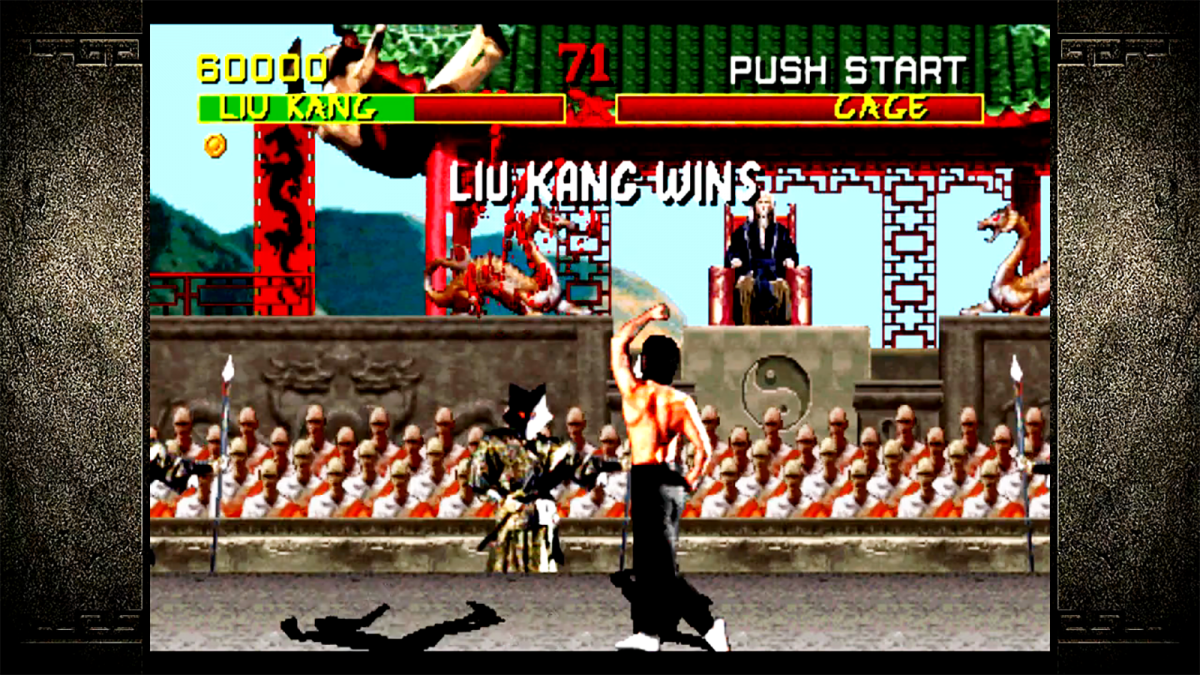
With arcade-perfect status comes a standard that must be met: Everything has to be as it once was. Whether it’s the way the game runs, controls, sounds or looks, everything has to be left untouched. With the collection, the visuals and music are just as the controls. Nothing has been changed, although there are new options for an arcade cabinet view and scan lines that a CRT monitor would have produced. I was always a huge fan of the soundtrack of the early Mortal Kombat days, and it’s immediately comforting to now hear the DCS sound system pumping out the Armory’s background theme in high-quality stereo.
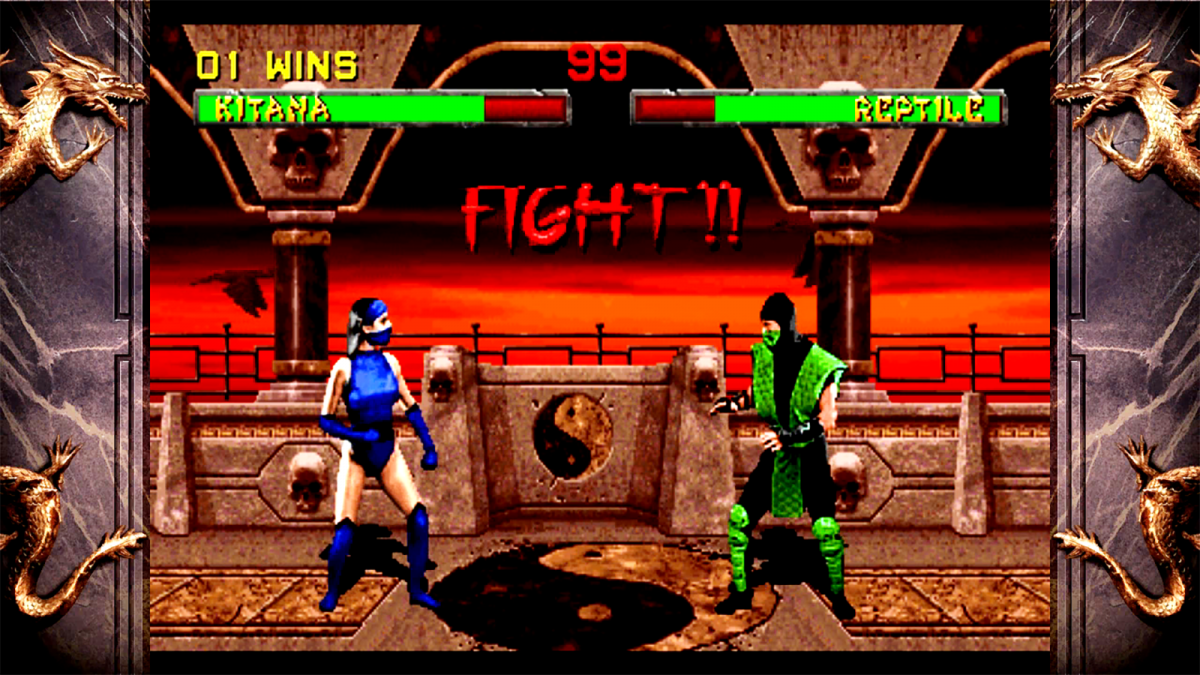
Getting the chance to own it for a modern console – one for which I own a legitimately decent arcade stick – is a boon. And, having that stick is a great proposition because the controls haven’t changed. These are arcade-perfect ports, so it’s a blessing to be able to pull off combos that are like second nature. Even the aggravating, well-known Midway difficulty present in all three games is intact. It’s still enough to pull out your hair, but it wouldn’t be Mortal Kombat without it. And, despite its presence, I’m still drawn in because it’s what initially drew me in 1993 and paved the way for a collection today.
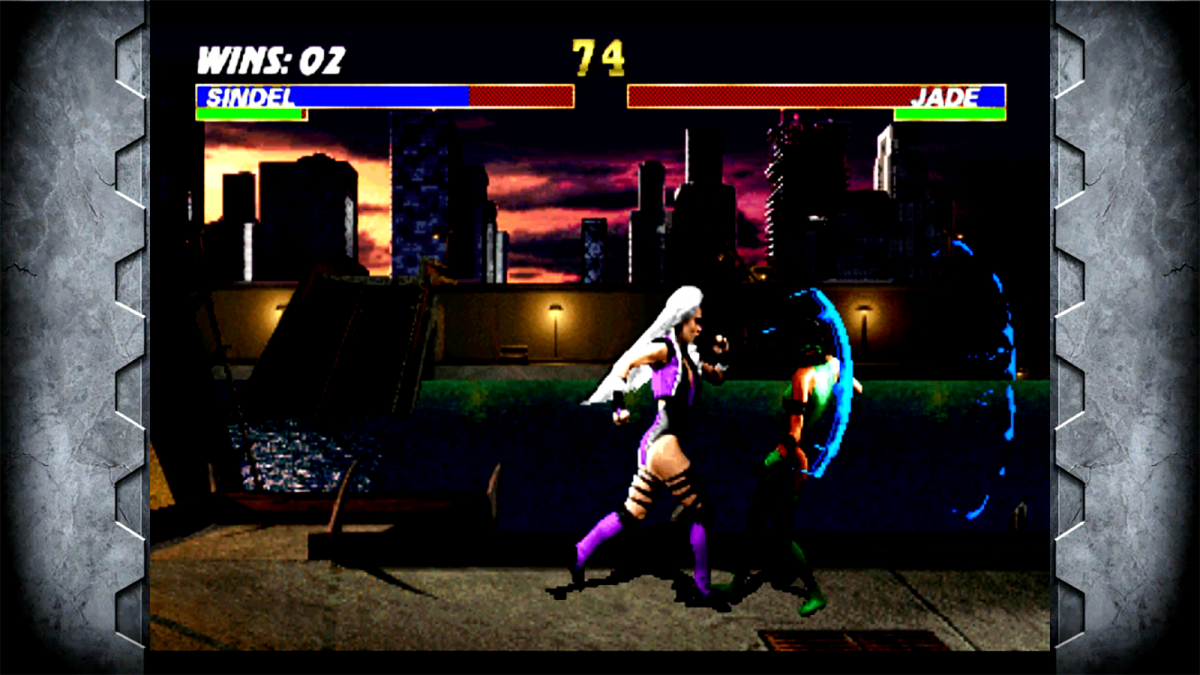
Much like any of the collections of older fighting titles out on the market today, the ability to fight anyone anywhere because of a robust netcode is also the biggest draw that these titles could benefit from. It works wonderfully with little lag, the way it should since it’s attempting to simulate standing next to someone in the arcade and playing on the same machine.
If you’re nostalgic for the ability to kill someone digitally in one of the more interesting fighting games of the past 20 years and you long for the days of lining up quarters, you’ve come to the right place. The arcade collection is worth the relatively cheap price for three games, and it’s been pronounced arcade perfect by someone in the know. Take the advice of a reformed arcade queen and get in line to fight in Mortal Kombat again.
Score: 4.5 out of 5
Best ports of arcade era Mortal Kombat
Let’s face it, there are some really great ports of Mortal Kombat games across its arcade release days and there are some terrible ports. We’re highlighting the best version of the arcade releases and where to find them.
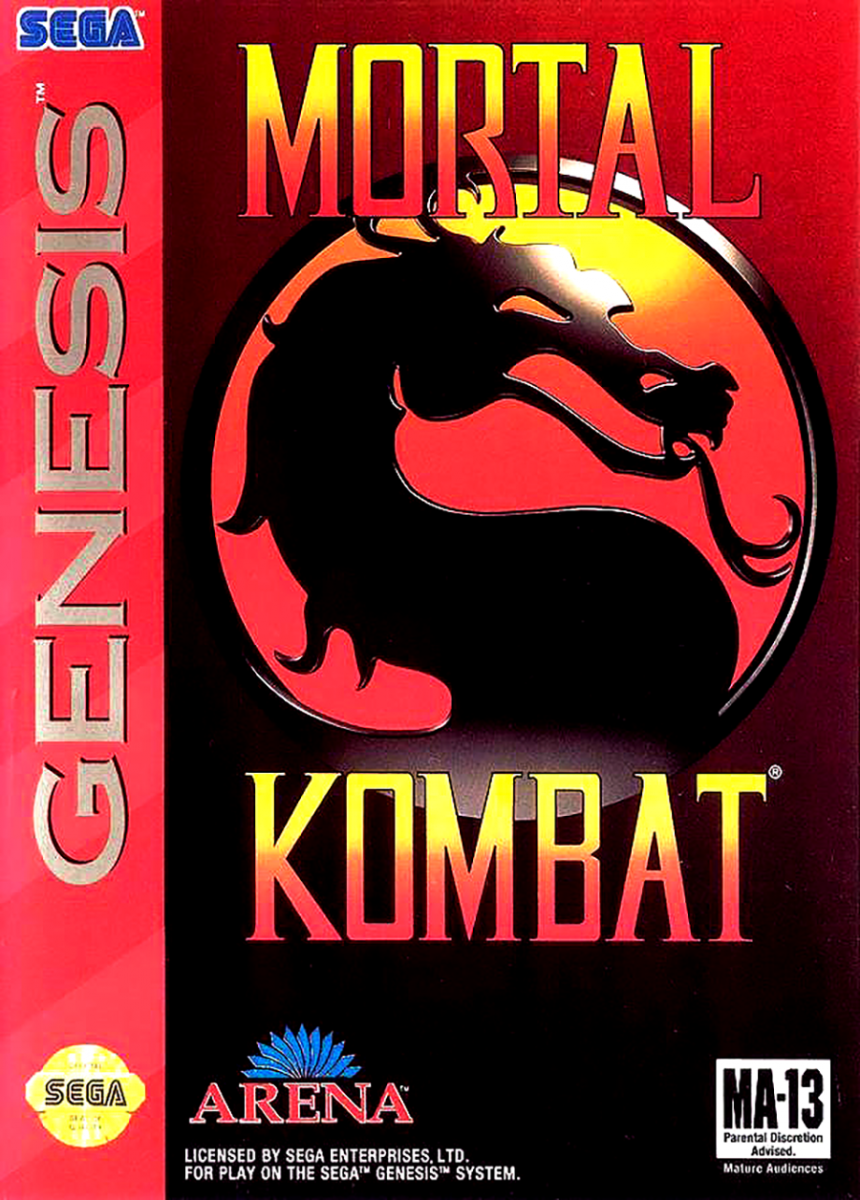
Game: Mortal Kombat (1992)
Best version: Sega Genesis
There is a clear favorite here and it’s the Genesis version. Yes, you have to enable the “blood code” (ABACABB for you novices out there), but it’s a great port with additional features such as the debug menu built in that made it the must-own version until modern direct emulation rendered it obsolete. The Super Nintendo port looks better and is closer to the arcade in presentation, but is the most garbage port out of all of them thanks to censorship. The disc-based versions all have horrendous load times so don’t bother there.
Game: Mortal Kombat II (1993)
Best version: Super Nintendo
Nintendo managed to learn its lesson when they saw how their graphically faithful port of the first game was shredded in reviews because it was heavily censored. Absolutely no one was paying what they were asking at the time for altered foolishness. Enter the Acclaim port of the second game, which set the standard for how arcade ports were supposed to be. Graphically faithful still, the best soundtrack port and everything intact? This is the preferred port of 16-bit MK fighting games. As with the first game, ignore the disc-based versions because of the load times. The Sega Saturn version is particularly egregious in this area and is the worst version of all.
Game: Mortal Kombat 3 (1995)
Best version: Super Nintendo or PlayStation
This decision is a toss-up between the SNES and the PlayStation only because of the load times when completing Shang Tsung’s morphing. If you can deal with a slight lag in the PlayStation version, it’s the one to get. Otherwise, get the SNES version even though the AI is randomly weird and aggressive. Both versions are fairly accurate to the arcade version in terms of presentation, but the lag is an issue that may change your choice.
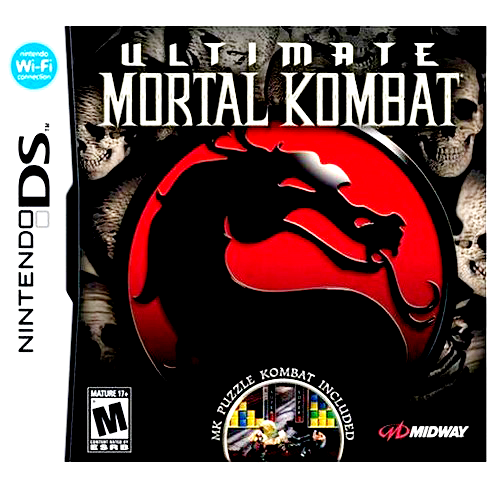
Game: Ultimate Mortal Kombat 3 (1996)
Best version: Sega Saturn or Nintendo DS
Ultimate Mortal Kombat 3 is a weird one in the port discussion. Ultimate added characters (male and female ninjas) and removed some stages (the Bank and the Hidden Portal), but somehow managed to be an inaccurate port all the way around until modern versions. None of the 16-bit ports are worth messing with, simply because they are incomplete and messy. The Saturn port is marginally OK but is hampered by severe loading times, which makes it the lesser choice. Surprisingly, the Nintendo DS port, titled Ultimate Mortal Kombat, is the best choice. It plays cleanly and the presentation is extremely accurate. The only issue here is the fact that it’s on a handheld. Otherwise, it’s the best version to own unless you have Xbox Live Arcade or Mortal Kombat Arcade Kollection.
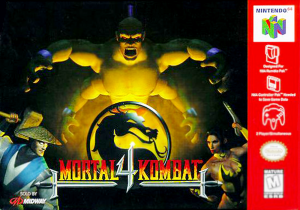
Game: Mortal Kombat 4 (1997)
Best version: Nintendo 64 or PlayStation
Mortal Kombat 4 didn’t reach the heights of its predecessors, but the home ports fared better critically. The Nintendo 64 version is great, closely matching the arcade and keeping everything intact. This version also adds a few things including alternate outfits and a new stage. The only difference is that Reiko’s ending has been changed, which was sanctioned by the MK development team, so we can’t necessarily hold that against the port. The PlayStation version isn’t terrible by any means, also keeping things close to the arcade version though there is the ever-present lag.
Modern ports to own or avoid
Mortal Kombat 1992 through Ultimate Mortal Kombat 3 have been released elsewhere to varying degrees of success.
Own
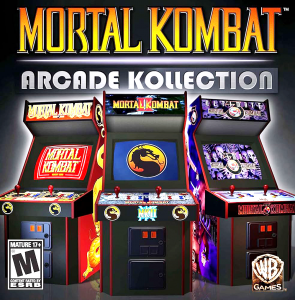
Mortal Kombat Arcade Kollection (2011): This is THE definitive port of the arcade games to own. It features arcade perfect ports of Mortal Kombat 1992, Mortal Kombat II and Ultimate Mortal Kombat 3 with emulation so accurate that they include the secret EJB test menu found in the arcade versions of all three games and the expired MKII attract mode advertisement. The games play extremely well and are beautiful. Disappointingly, though, the online isn’t great but thankfully at this point Fightcade exists so it isn’t an issue.
Avoid
Midway Arcade Treasures 2 (2004): This port was the standard for a minute. However, there are a few issues that keep it from must-own status. The first is the mapping error in Mortal Kombat II. Developer Backbone Entertainment clearly didn’t consider quality control because someone should have realized that mapping the pause button to Start was a bad idea in MKII. Putting it there with no way to move it means you’re prevented from reaching hidden character Smoke or inputting random select on the character select screen. And, they included the vanilla version of Mortal Kombat 3 but didn’t include Mortal Kombat 1992. The correct package would have been all three games with Ultimate MK3 instead. Despite having some interesting behind-the-scenes features for the MK games, it isn’t necessary to own.
Mortal Kombat Gold (1999): Mortal Kombat Gold is an abomination that of which we never speak. Gold is one of the worst games ever made and was, unfortunately, a Dreamcast launch title. Plagued with glitches and broken basic features, the initial version of the game was a hot mess. The further revision cleaned up the bugs, but that doesn’t change the fact that it’s an old port with nothing new beyond a few new characters, stage and the weapon selection system upgrade. You’re really just better off getting the PlayStation or N64 version and calling it a day.
Any handheld ports: Most handheld ports are absolutely to be avoided at all costs. The exceptions to this rule are the Game Gear versions of Mortal Kombat 1992 and Mortal Kombat II and the Nintendo DS version of Ultimate Mortal Kombat 3. These are your best bets for solid play on the go, but everything else is incomplete garbage and nigh unplayable. This includes mobile phone ports as well. However, because of the nature of Mortal Kombat Mobile and Mortal Kombat: Onslaught, we are not including these games in the handheld category.