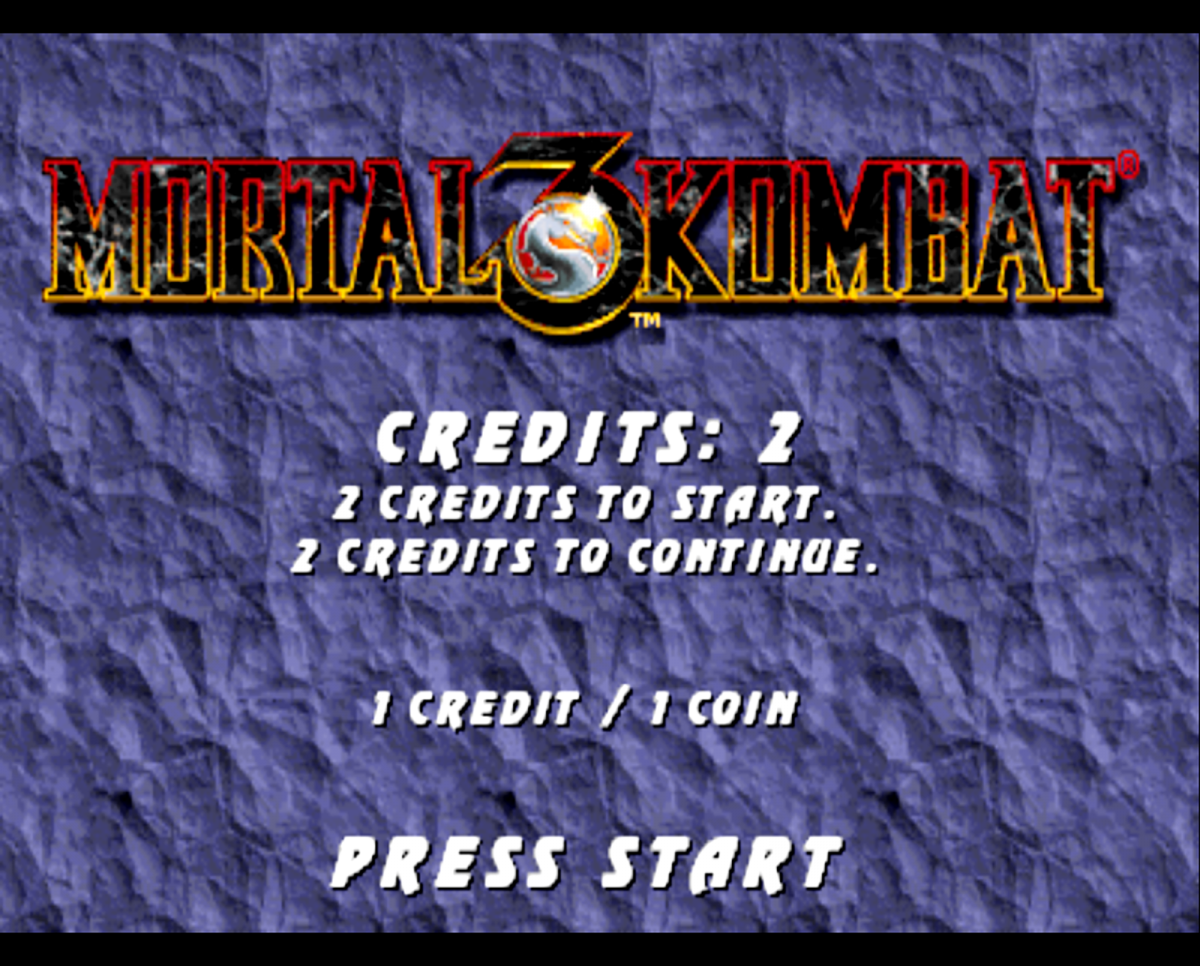
Age hasn’t been kind to third Mortal Kombat
Suspect AI, graphics cloud MK3 nostalgia
Editor’s note: This review originally appeared in 3Q2010. It has been edited for spelling, grammar and clarity.
By Jamie Mosley, former Associate Editor | Gaming Insurrection
The Mortal Kombat series has always had something going for it. Among the somethings special were the creative ways to destroy your opponent after a hard-earned fight. With this knowledge, Midway had the power to be completely different than its competitors. Mortal Kombat 3 had a lot of firsts for the MK series. The third game in the series allowed players to speed up their victory or defeat by adding a Run button.
In 1995, few games had people lining up to play like MK3. At that time, it was about finding new moves with new characters. People were trying to figure out how to best use the new Run button that at first seemed awkwardly placed but later felt like it had been there the whole time. With the new Run button came the equally important Run meter, which depletes as you run or simply do a combo.
When it came to combos, MK3 had them. With the pre-programmed chain combos, a player could try to make their opponent look silly for challenging them. It took time and practice to get that dial-a-combo right. Some combos would end with an uppercut or some other move that would pop your opponent in the air to allow juggle combos for extra damage. To please the players of different skill levels, the “Choose Your Destiny” screen was added for different paths to Shao Kahn.
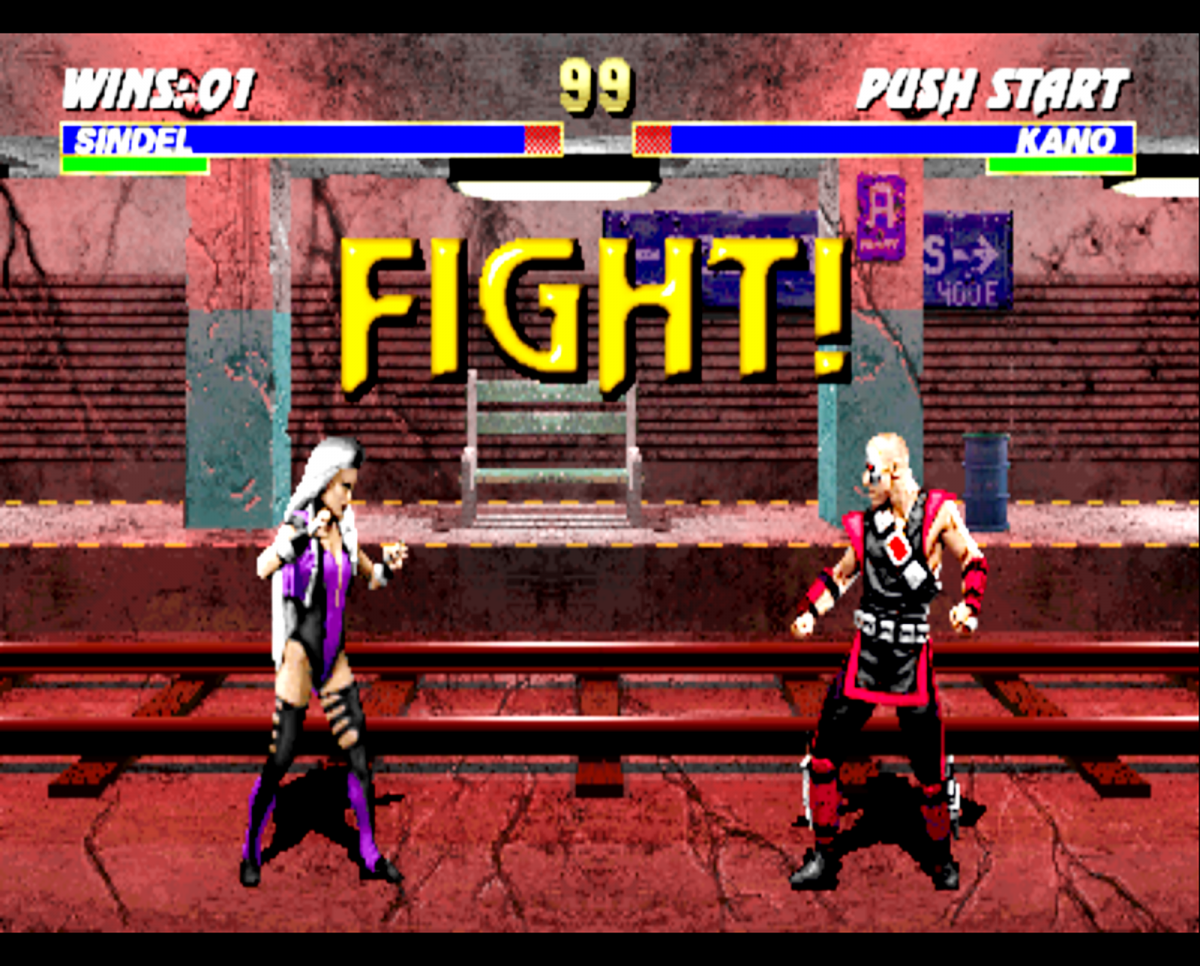
Regardless of which path you took, you had to worry about your fourth opponent because Midway unofficially raised the difficulty level on the fourth level. This tactic wasn’t just for Mortal Kombat; Midway Jam and NFL Blitz also used it in the fourth quarter.
MK3 also introduced interactive stages to the series. You could uppercut your opponent to the stage above you. You could also perform Animalities, and you could give or receive Mercy. If you are familiar with MKII, then you won’t be surprised to see Friendships and Babalities again. And, of course, Fatalities are still there. Why not? That is the main reason people played Mortal Kombat, after all.
The music of Mortal Kombat 3 is some of Dan Forden’s best work. Each song is different from MKII’s repertoire. MKII’s music had an Eastern feel to it while MK3’s style is more Western. Each stage’s corresponding song fits well.
By today’s standards, though, the graphics of MK3 aren’t the best among 2D fighters. Even in the ’90s it wasn’t the best, but I played it because of the challenge of pulling out combos. Also, MK3 was different than its closest competitor: Street Fighter. But despite how it looked, my friends and I played this game until we went MK crazy then watched the movie – the first movie mainly – then played some more. No doubt, in its day, this game was huge. But it did have its share of problems. The controls are spotty: Sometimes you go to dial-a-combo and all that comes out are standing punches.
Also, the hit zones are off sometimes. The AI was suspect because it could read your button commands to avoid, whenever it suited them, attacks. Characters are missing, and most notably, there was no Scorpion. Ultimately, the game just doesn’t feel finished. I guess that’s the reason why Ultimate Mortal Kombat 3 came out shortly thereafter.
If you played this game back in the ’90s and loved it, then you will continue to love it. But if this game came out now, this would join a long list of bad games.